Figuring out the right feeding schedule for live insects is one of the most common questions new bearded dragon owners ask. It can feel like a guessing game, but the answer is actually pretty straightforward once you break it down by age. Whether you have a tiny hatchling or a full-grown adult, the frequency and portion size of live insects change a lot. In this guide, we will walk you through exactly how often to offer crickets, dubia roaches, and other bugs so your beardie stays healthy, active, and happy.
Baby Bearded Dragons (0 to 4 Months): Frequent Feedings for Rapid Growth
Baby bearded dragons grow incredibly fast, and they need a lot of protein to fuel that growth. During this stage, you should feed them live insects two to three times per day. Each feeding should last about 10 to 15 minutes, and you should offer as many appropriately sized insects as they can eat in that window. A good rule of thumb is to offer 20 to 50 small crickets or dubia roaches per day, split across those feedings. Make sure the insects are no larger than the space between your dragon’s eyes to prevent choking or impaction. Also, always dust the insects with calcium powder (without D3) at every feeding, and a multivitamin once or twice a week.
Juvenile Bearded Dragons (4 to 12 Months): Transitioning to Fewer Meals
As your bearded dragon moves into the juvenile stage, their growth rate slows down a bit, and their appetite will start to shift. At this age, you should feed live insects once per day, but still offer as many as they will eat in a 10 to 15 minute window. Typically, that means about 20 to 40 medium-sized insects per day. You will also notice they start eating more greens and vegetables, which is a healthy sign. Keep offering a fresh salad daily, and continue dusting insects with calcium and multivitamins. If your dragon seems less interested in bugs, do not force it, just offer fewer insects and more greens. This is also a good time to make sure their reptile tank has proper temperature gradients so their digestion stays on track.
Adult Bearded Dragons (12+ Months): Every Other Day Is Ideal
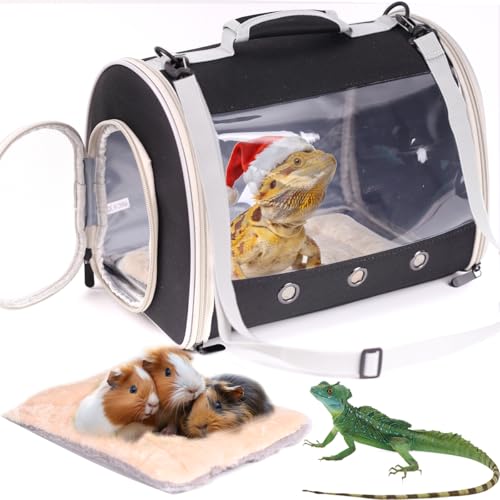
Once your bearded dragon reaches adulthood, their metabolism slows down considerably. Overfeeding insects at this stage can quickly lead to obesity, fatty liver disease, and other health problems. For adults, you should feed live insects every other day, or about three to four times per week. Each feeding should consist of 5 to 10 large insects, such as adult dubia roaches or large crickets. The rest of their diet should be mostly fresh greens, vegetables, and occasional fruit. At this stage, calcium dusting is still important, but you can reduce it to every other feeding. Many owners find it helpful to use a reptile carrier when taking their adult dragon to the vet for weight checks, which is a good habit to start.
If your adult bearded dragon refuses live insects for a few days, do not panic. It is common for them to go on a hunger strike, especially during brumation season. Just keep offering fresh greens and check that their basking spot is around 100 to 110 degrees Fahrenheit. If they go more than two weeks without eating any insects, consult your vet.
What Types of Live Insects Should You Feed?
Not all insects are created equal. The best staples for bearded dragons are dubia roaches, black soldier fly larvae (also called BSFL or NutriGrubs), and crickets. These insects have a good calcium-to-phosphorus ratio and are high in protein. You can also offer occasional treats like hornworms, silkworms, or waxworms, but keep those to once or twice a week because they are high in fat. Never feed wild-caught insects, as they may carry parasites or pesticides. Also, avoid mealworms for babies and juveniles because their hard exoskeletons can cause impaction. If you are traveling with your dragon and need to bring live insects along, an insulated reptile carrier can help keep the bugs at a stable temperature during the trip.
How Many Insects Is Too Many? Watch for Signs of Overfeeding
It is easy to overfeed a bearded dragon, especially when they beg with those big eyes. But overfeeding live insects can lead to rapid weight gain, lethargy, and even gout. A healthy adult should have a nice, plump tail base but not a bulging belly or fat pads on the back of the head. If you notice your dragon is getting chunky, cut back on insect frequency by one or two days per week. Also, make sure they have plenty of space to move around. A cluttered or small enclosure can discourage exercise, so consider using a lizard liner that is easy to clean and allows for natural digging behaviors, which keeps them active.
“A hungry beardie will eat anything, but a healthy beardie eats the right amount at the right time.”
Common Mistakes to Avoid When Feeding Live Insects
- Feeding insects that are too large: Always choose bugs smaller than the space between your dragon’s eyes to prevent choking and impaction.
- Skipping calcium dusting: Without calcium, your dragon can develop metabolic bone disease, which is irreversible. Dust every feeding for babies and juveniles, and every other feeding for adults.
- Leaving live insects loose in the enclosure: Crickets can bite your dragon while it sleeps, causing stress or injury. Feed in a separate container or remove uneaten bugs after 15 minutes.
- Not gut-loading insects: Feed your feeder insects a nutritious diet of fresh veggies and commercial gut-load for at least 24 hours before offering them to your dragon. This makes the bugs more nutritious.
Remember, every bearded dragon is an individual. Some adults might do better with insects every other day, while others might need them every third day. Pay attention to your dragon’s body condition and energy levels. If you are ever unsure, your exotic vet is the best resource for a personalized feeding plan. With a consistent schedule and the right insect choices, your bearded dragon will thrive for years to come.