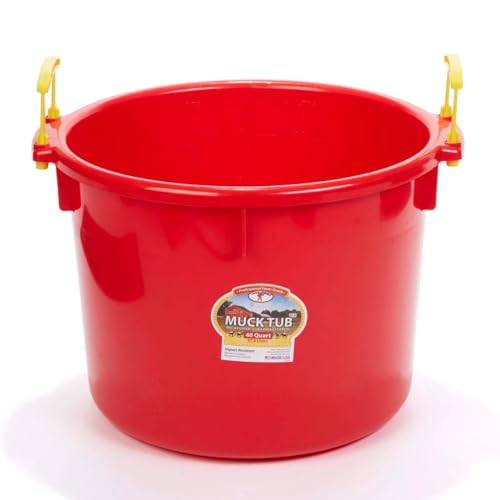
If you own a horse, you know that stall cleaning isn’t glamorous, but it’s one of the most important daily tasks for your horse’s health and happiness. The big question is: how often should you actually muck out that stall? The short answer is at least once a day, but the real answer depends on your horse’s habits, the type of bedding you use, and how much time your horse spends inside. Let’s break it down so you can set a routine that works for both of you.
Daily Mucking: The Non-Negotiable Minimum
For most horse owners, a full daily muck-out is the gold standard. This means removing all manure, urine-soaked bedding, and wet spots, then picking out the remaining clean bedding and re-fluffing it. If your horse is stalled overnight, you should do this first thing in the morning. Horses produce about 8 to 12 piles of manure per day and urinate several times, so leaving that waste in the stall for more than 24 hours creates a breeding ground for bacteria and ammonia fumes. Ammonia can damage your horse’s respiratory system, especially for performance horses. If you ride an eventer, you’ll want to pay extra attention to stall cleanliness because respiratory health directly impacts stamina and performance. For more on keeping your horse in top shape, check out our guide on Eventing Horse Training Schedule: What to Know.
Spot Cleaning Between Full Mucks
If you can only do one full muck per day, you should still do quick spot checks in the afternoon or evening. Simply remove fresh manure piles and any obvious wet spots. This takes just 5 to 10 minutes and makes a huge difference. Horses that are stalled for long stretches, such as during bad weather or recovery from injury, benefit from spot cleaning twice a day. A clean, dry bed reduces the risk of skin infections, thrush in the hooves, and pressure sores. If your horse is prone to lameness or hoof issues, a dry stall is even more critical. For more on hoof health, read our article on Signs Of Lameness In Eventing Horses: What to Know.
Weekly Deep Cleaning: Strip and Disinfect
Once a week, you need to do a complete strip-down. Remove every bit of bedding, sweep the floor, and let the stall air out for a few hours. If your stall has a concrete or rubber mat floor, scrub it with a mild disinfectant or white vinegar solution. For dirt or clay floors, you may need to remove the top layer of soiled dirt and replace it with fresh material. This weekly reset prevents the buildup of bacteria and parasites. It also gives you a chance to inspect the stall for damage, like loose boards or protruding nails. If your horse is an eventer, stable size and condition matter a lot for safety and comfort. Learn more about proper dimensions in our guide on Eventing Horse Stable Size Requirements.
If you use deep bedding (like the deep litter method), you can go longer between full strips, but you must still remove manure and wet spots daily. Deep bedding works best with highly absorbent materials like wood pellets or flax. Just remember to add fresh bedding on top each day and do a full strip every 2 to 4 weeks, depending on odor and moisture.
How Bedding Type Affects Mucking Frequency
Your choice of bedding changes how often you need to muck. Shavings and straw need daily mucking because they absorb moisture less efficiently. Pellets and paper products are more absorbent and can sometimes go two days between full mucks if you spot clean well. But no matter what bedding you use, never let wet spots sit for more than 24 hours. Wet bedding breeds bacteria and flies, and it can cause your horse to develop a condition called “scratches” on the lower legs. If you notice your horse is constantly wet or has a cough, it might be time to change your bedding or increase your mucking frequency. Always ask your vet if you’re unsure about respiratory or skin issues.
Special Considerations for Horses on Stall Rest
If your horse is on stall rest due to injury or illness, you need to muck more frequently, sometimes twice a day. A horse that is confined to a stall will produce more waste in a smaller area, and the risk of ammonia buildup is higher. You also need to keep the stall extra dry to prevent hoof problems like thrush or abscesses. If your horse is recovering from a lameness issue, a clean, dry stall is essential for healing. For more on managing a horse’s recovery, see our article on How Long Do Eventing Horses Live? Explained for context on long-term care.
“A clean stall is the cheapest health insurance you can buy for your horse.”
Signs You Need to Muck More Often
You might need to increase your mucking frequency if you notice any of these signs: a strong ammonia smell when you enter the barn, your horse coughing or having watery eyes, excessive flies around the stall, or your horse’s hooves feeling soft or smelling foul. Also, if your horse starts pawing at the door or refusing to lie down, the stall might be too dirty or wet for comfort. Pay attention to your horse’s behavior, they will tell you when something is off. If you’re new to horse ownership and wondering if your horse’s temperament or training level affects stall habits, check out our guide on Are Eventing Horses Good For Beginners? for helpful insights.
Final Thoughts on Your Mucking Routine
Consistency is key. Whether you muck once or twice daily, stick to a schedule. Your horse will thrive in a clean, dry environment, and you’ll spend less time dealing with health problems down the road. Remember, a little daily effort saves you from big vet bills later. If you ever have doubts about your horse’s health or stall conditions, don’t hesitate to ask your veterinarian for advice tailored to your horse’s specific needs.