You know the look: the moment you turn on the faucet, your dog’s ears flatten, their tail tucks, and they vanish under the bed. Bathing a dog that hates water is one of the most stressful chores for any pet owner, but it doesn’t have to be a wrestling match. With the right setup, patience, and a few clever tricks, you can get your pup clean without tears (yours or theirs). Here is how to do it, step by messy step.
1. Prepare the Bathroom Before the Dog Enters
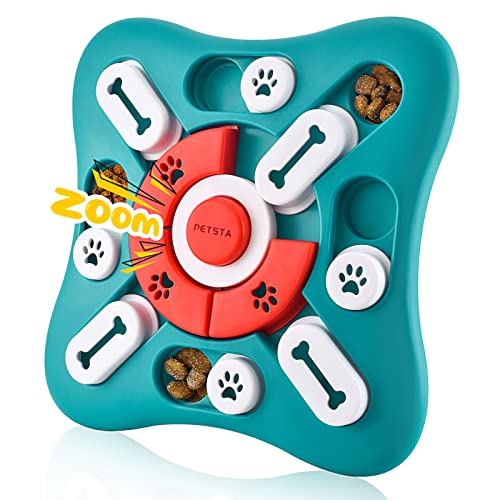
The single biggest mistake owners make is dragging a reluctant dog into a loud, slippery, unfamiliar space. Instead, set everything up in advance. Fill the tub with just two to three inches of lukewarm water (test it on your wrist like a baby bottle) before your dog even sees the room. Lay a rubber bath mat or a towel on the bottom of the tub so your dog has secure footing. Have a cup or a low-pressure sprayer ready, plus a gentle dog shampoo and a couple of fluffy towels. If your dog is especially nervous, consider bringing in a special toy or a slicker brush to groom them beforehand, which can help remove loose fur and reduce the amount of scrubbing needed in the tub.
2. Use Positive Distractions (Peanut Butter Is Your Best Friend)
Distraction is the secret weapon for a water-hating dog. Smear a generous layer of unsalted peanut butter (no xylitol) onto a lick mat or the side of the tub. Let your dog lick it while you gently wet them with a cup, starting at their back legs and working forward. The licking triggers a calming response, and many dogs will barely notice the water. You can also scatter a few high-value treats on the bath mat before they step in. This turns the tub into a treat puzzle, not a torture chamber. For dogs that are extremely fearful, practice this step without any water for a few days first, just letting them lick peanut butter while standing in the dry tub.
Many dogs fear water because of the sound of rushing water or the sensation of being splashed. Using a cup instead of a showerhead can dramatically reduce their anxiety because it is quieter and more predictable.
3. Master the Gentle Wet-and-Suds Technique
Never dump water directly on your dog’s head. That is a fast track to panic. Instead, use a plastic cup or a low-flow sprayer (held close to the body to minimize noise) and start at the paws, moving up the legs, then the back, and finally the chest. Keep one hand on your dog’s shoulder or chest at all times for reassurance. When it is time for shampoo, lather it in your hands first, then massage it into the coat from the neck down. Avoid the face entirely. For the head, use a damp washcloth to gently wipe around the ears and muzzle. If your dog tries to bolt, pause, offer a treat, and wait for them to relax before continuing. Rushing will only make the next bath harder.
4. Rinse Thoroughly and Keep It Quick
Leftover shampoo can irritate your dog’s skin and cause itching, which reinforces their dislike of baths. Rinse with the same cup method, working from the neck down. Use your fingers to part the fur and check for soap residue, especially in the armpits and belly. Aim for the entire bath to last no more than five to seven minutes. A longer bath increases stress for a water-averse dog. If your dog is a heavy shedder (like many large breeds), you might find it helpful to understand how much Bernese Mountain Dogs shed so you can anticipate the amount of loose fur that will need extra rinsing.
5. Drying Without the Drama
Once the bath is over, the real work begins. Lift your dog out of the tub onto a towel on the floor. Wrap them in a second dry towel and gently press (never rub) the moisture out of the coat. Rubbing can tangle fur and frighten a nervous dog. Let them shake off naturally. If you use a hair dryer, keep it on the lowest heat and coolest setting, and introduce the sound from a distance first. Many water-hating dogs are also terrified of dryers. In that case, just let them air dry in a warm room with a clean towel underneath. Do not let a wet dog outside to dry, as they can get chilled or roll in dirt. A tired dog is a calmer dog, so consider a short, gentle walk or a game of fetch after the bath to help them decompress.
“The goal is not a perfect bath, it is a tolerable one. Each calm bath builds trust for the next.”
6. When to Call It Quits and Try Again Later
Some dogs will never love baths, and that is okay. If your dog is panting heavily, trembling, or trying to escape, stop the bath immediately. Forcing a dog through a full bath when they are in a panic can create long-term trauma. Instead, use waterless shampoo or dog wipes for spot cleaning, and save full baths for times when they are truly dirty or smelly. If your dog lives with a cat, you might also wonder about their interspecies dynamics, like whether Norwegian Forest Cats are good with dogs, but that is a topic for another day. For now, focus on making bath time as short and positive as possible. A little patience and a lot of peanut butter can turn a dreaded chore into a manageable routine.