Bathing a horse can feel like a big undertaking, especially if your horse is nervous or you are new to it. But with the right preparation and a calm approach, you can turn a bath into a positive experience for both of you. Whether you are getting ready for a show, cleaning off mud after a long ride, or simply giving your horse a refresh, safety and comfort come first. Here is how to bathe a horse safely, step by step.
1. Choose the Right Location and Weather
Pick a spot that is safe and comfortable for your horse. A level, non-slip surface like rubber mats or concrete with good drainage is ideal. Avoid bathing on grass, as it gets slippery and can hide debris. Check the weather: a warm, calm day with no wind is best. Horses can get chilled quickly, even in mild temperatures. If it is cooler, use warm water and plan to dry your horse thoroughly. Never bathe a horse in direct, hot sunlight for long periods, as they can overheat. A shaded area or early morning/late afternoon timing works well.
2. Gather Your Supplies Before You Start
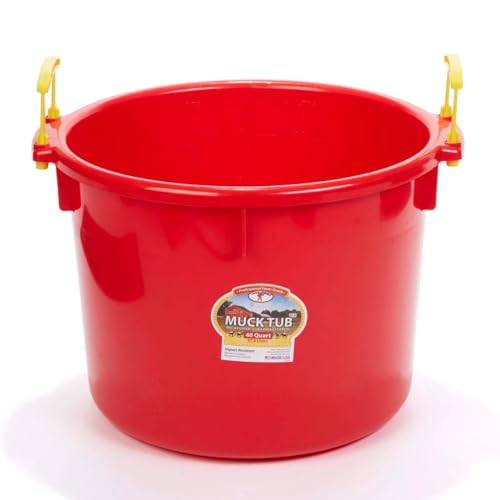
Having everything within reach will keep the bath calm and efficient. You will need a bucket of warm water, a hose with a spray nozzle (or a large sponge and bucket if no hose is available), a mild horse shampoo (never use human shampoo, as it strips natural oils), a sweat scraper, and a few clean towels. For grooming before the bath, have a horse body brush to remove loose dirt and hair. This step prevents mud from turning into paste when wet. Also, consider having a grooming caddy to keep everything organized and off the ground. A well-stocked caddy saves time and keeps you from scrambling mid-bath.
3. Prep Your Horse: Brushing and Safety Checks
Before any water touches your horse, thoroughly brush them to remove dirt, loose hair, and debris. Pay special attention to the legs, belly, and tail, where mud and manure tend to collect. Check for any cuts, scrapes, or skin irritations. If you find a wound, do not bathe over it without consulting your vet first. For horses that are nervous about water, spend a few minutes letting them sniff the hose and feel the spray on their legs before moving up. If your horse has a tendency to fidget or kick, consider using standing wraps on their lower legs for added protection and to prevent interference. This is especially helpful if you are bathing a horse that is recovering from a minor leg issue.
Wet the horse’s legs first with cool water, then gradually work up to the body. This helps them adjust to the temperature and reduces the startle response. Many horses actually enjoy a gentle leg rinse on a hot day.
4. The Bathing Process: Water, Soap, and Rinse
Start by wetting your horse from the legs up, using a gentle spray or sponge. Avoid spraying water directly into the ears, eyes, or nostrils. Use a soft sponge or cloth for the face, with just water and no soap near the eyes. Apply a small amount of horse shampoo to a sponge or directly onto the coat, working from the neck back to the tail. Use circular motions to lift dirt and oil. Do not scrub too hard, especially on sensitive areas like the belly and girth region. Rinse thoroughly with clean water until no soap residue remains. Leftover shampoo can cause skin irritation or dull the coat. A sweat scraper helps remove excess water quickly, which is especially useful for thick-coated breeds.
5. Drying and Aftercare
Drying is just as important as washing. Use a clean towel to blot the legs, belly, and face. For the body, a sweat scraper followed by a brisk rub with a towel works well. If your horse is clipped, you can use a horse-safe cooler blanket or a clean, dry towel to absorb moisture. In cooler weather, walk your horse in a sheltered area until they are completely dry. Never turn a wet horse out into a dusty paddock, as dirt will stick and cause skin issues. Check the hooves for any trapped water or debris and pick them out. If your horse is prone to skin conditions, a gentle rinse with a conditioner or a mild antiseptic wash (with vet approval) can be beneficial.
“A clean horse is a happy horse, but a dry horse is a healthy one. Never underestimate the power of a good towel and a patient hand.”
6. Special Considerations for Sensitive Horses
Some horses hate baths. If your horse is anxious, start with just a sponge bath using a bucket of warm water. Reward calm behavior with treats and a soothing voice. For horses with skin allergies or sun sensitivity, avoid bathing during peak UV hours and use a hypoallergenic shampoo. After the bath, a fly mask can protect their face and eyes from insects while the coat dries. If your horse has a tendency to roll immediately after a bath, keep them in a clean stall or on a dry, non-dusty surface for at least 30 minutes. Patience is key: rushing a nervous horse will only make future baths harder. If you ever notice signs of skin irritation or infection after a bath, consult your veterinarian for guidance.
Always keep a first aid kit nearby when bathing, especially if your horse is prone to kicking or slipping. A horse first aid bag stocked with antiseptic wipes, bandages, and vet wrap is a smart addition to your barn kit. Better safe than sorry.