If your dog is scooting on the carpet or licking their rear end obsessively, you might be dealing with full anal glands. It’s a smelly, uncomfortable problem that many pet owners dread. But knowing how to express dog anal glands at home can save you a trip to the vet and give your pup relief. However, this is a delicate task. Done wrong, you can cause pain, infection, or worse. This guide walks you through the safe way to do it, when to stop, and how to prevent future issues. Always talk to your vet first, especially if your dog has a history of anal gland problems.
What Are Anal Glands and Why Do They Need Expressing?
Anal glands are two small sacs located just inside your dog’s rectum, at roughly the 4 and 8 o’clock positions. They produce a foul-smelling liquid that dogs use to mark territory. Normally, these glands empty naturally when your dog poops. But sometimes they don’t empty fully, leading to impaction, discomfort, or infection. Breeds like Cane Corsos and Australian Shepherds can be prone to anal gland issues due to their diet or anatomy. For example, if you have a Cane Corso, you might also be looking into whether Cane Corsos are good family dogs, but their health needs like anal gland care are equally important to understand.
Signs Your Dog Needs Their Glands Expressed
Before you attempt any expression, make sure your dog actually needs it. Common signs include:
- Scooting their bottom on the ground
- Excessive licking or biting at the rear end
- A fishy or metallic odor coming from the tail area
- Swelling or redness near the anus
- Pain or yelping when pooping or sitting
If you notice any of these, check with your vet first. Some dogs have infections or tumors that need medical treatment, not home expression. For active breeds like Australian Shepherds, keeping them on a high-fiber diet can help. You might also want to explore best dog foods for Australian Shepherds to support digestive health, which can reduce gland issues.
Never attempt internal expression unless you have been shown exactly how by a veterinarian. Doing it wrong can rupture the gland, cause abscesses, or lead to chronic issues. If you’re unsure, pay a professional.
How to Express Dog Anal Glands Externally (Safer Method)
External expression is the gentler method and works best for dogs with mild fullness. Here’s how to do it:
- Wear gloves and have paper towels or gauze ready. Work in a bathroom or outside for easy cleanup.
- Have a helper hold your dog steady, or do it yourself if your dog is calm.
- Lift your dog’s tail and locate the gland openings at the 4 and 8 o’clock positions around the anus.
- Place a paper towel over the area. Using your thumb and forefinger, gently press inward and upward toward the anus, as if you’re trying to push the fluid out.
- You should see a small amount of brownish, smelly liquid come out. Wipe it away and check if the glands feel deflated.
If nothing comes out or your dog shows pain, stop and call your vet. Some dogs have very deep glands that require internal expression. For dogs that are prone to stress, using calming puzzle toys for Australian Shepherds or other breeds can help relax them before the process.
How to Express Dog Anal Glands Internally (Advanced Method)
This method is more effective for impacted glands but carries higher risk. Only do this if your vet has shown you the technique. Steps include:
- Lubricate a gloved finger with petroleum jelly or a water-based lubricant.
- Insert your finger gently into the rectum, about one inch deep.
- Feel for the small, pea-sized glands at the 4 and 8 o’clock positions.
- Place your thumb on the outside of the anus and your finger on the inside, then squeeze gently to push the fluid out of the gland and through the duct.
- Remove your finger and wipe away the expelled fluid.
“If you feel any hard lumps, blood, or pus, do not continue. That’s a sign of infection or abscess that needs a veterinarian.”
After internal expression, monitor your dog for a day or two. If they continue scooting or seem uncomfortable, schedule a vet visit. Some dogs need their glands expressed regularly, and a diet change can help. For Cane Corsos, switching to a high-protein food might improve stool consistency, which naturally expresses glands. Check out the 5 best dog foods for Cane Corsos for options that support firm stools.
Did you know that a dog’s anal gland fluid is unique to each individual, like a fingerprint? That’s why dogs sniff each other’s rear ends as a greeting.
Alternatives to Manual Expression
Not every dog needs manual expression. Sometimes simple lifestyle changes can help your dog empty their glands naturally. Consider these alternatives:
- Add fiber to their diet: Pumpkin puree, cooked sweet potato, or psyllium husk can bulk up stool and press on the glands during bowel movements.
- Encourage firm stools: Soft or runny poop doesn’t put enough pressure on the glands. Adjust their food or add probiotics.
- Increase exercise: Regular walks and play stimulate bowel movements. For smart breeds like Australian Shepherds, combining activity with puzzle toys for Australian Shepherds can keep them moving and engaged.
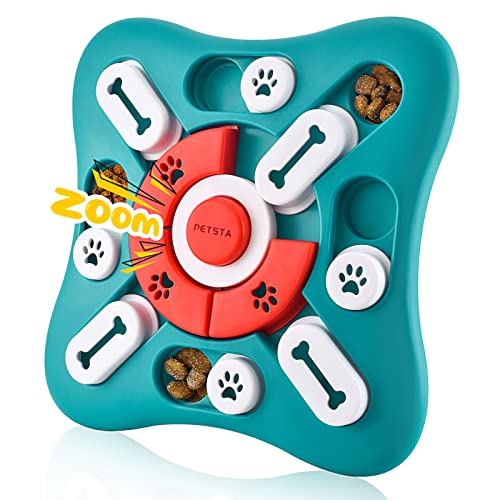
- Use a slow feeder: Eating too fast can lead to digestive upset. A slow feed dog bowl for Australian Shepherds might help regulate digestion and stool quality.
Always ask your vet before adding supplements or making major diet changes, especially if your dog has other health conditions.
When to See a Vet Instead
Home expression is not for every dog. See your vet if:
- You see blood, pus, or a strong foul smell beyond normal anal gland odor.
- Your dog has a history of anal gland abscesses or ruptures.
- Your dog is in obvious pain when you try to express.
- You have tried external expression and nothing comes out.
- Your dog has chronic issues that require monthly expression.
Some dogs have anal glands that are too deep or narrow to express at home. In those cases, a vet can show you the right technique or do it for you. For large breeds like Cane Corsos, their size can make home expression more challenging. If you’re considering this breed, read up on are Cane Corsos good family dogs to understand their overall care needs, including health maintenance.