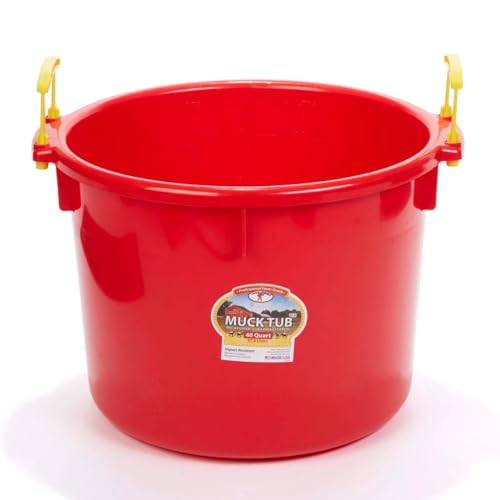
Standing in the feed room staring at a shelf of tubs and powders can feel overwhelming. You want to do right by your horse, but figuring out how to feed supplements effectively is a common puzzle. The good news is that with a little know-how, you can turn this chore into a simple, beneficial part of your daily routine. Whether you’re supporting joint health, improving coat condition, or balancing a forage-based diet, the method matters just as much as the product. Let’s break down exactly how to feed horse supplements the right way.
Start With a Clear Goal and a Vet’s Input
Before you scoop anything into a bucket, ask yourself why. Are you adding a supplement to address a specific issue like stiffness after work, or are you trying to fill a nutritional gap in your hay? A targeted approach is always better than a shotgun method. For example, if your older horse is slowing down, you might look into a joint support product. A good resource for that specific need is our Arabian Horse Joint Supplements: A Shortlist, which can give you ideas for what to discuss with your vet. Never start a new supplement without a conversation with your veterinarian. They can help you identify real deficiencies and rule out underlying health issues that supplements won’t fix.
Choose the Right Form for Your Horse
Supplements come in powders, pellets, liquids, and pastes. The best form depends on your horse’s personality and your routine. Powders are popular because they mix easily into a wet or dry feed, but some horses are picky and will leave a pile of dusty powder at the bottom of the bowl. Pellets are often more palatable and can be fed by hand or mixed in. Liquids are great for horses that need a quick dose or have trouble eating grain, but they can be messy. Pastes are usually for single-dose items like probiotics or electrolytes. If you’re feeding a horse that is a fussy eater, try a small test dose first. If they refuse, switch forms. A horse that won’t eat a supplement gets zero benefit.
The Golden Rule: Mix It Into a Small, Tasty Meal
Never just dump a scoop of powder on top of hay or into a bucket of plain water. The most reliable method is to mix the supplement into a small, moistened meal. Use a handful of soaked beet pulp, a scoop of low-sugar feed, or even a mashed banana or applesauce for extra appeal. The key is to make the supplement disappear into the food so your horse can’t pick around it. Start with a tiny amount of the supplement and gradually increase to the full dose over a week. This gives your horse’s gut time to adjust and reduces the chance of refusal. If you’re feeding multiple supplements, mix them all together in the same small meal to avoid overwhelming your horse with several different buckets.
Warm water can help dissolve powdered supplements and release their aroma, making the meal more appealing, especially in cold weather. Just make sure it’s not hot enough to burn your horse’s mouth.
Timing and Consistency Matter
Horses thrive on routine, and supplements are no different. Feed the same amount at the same time every day. Most supplements are designed to be given once or twice daily with a meal. If the label says “feed with grain,” don’t skip the grain or feed it on an empty stomach. Some ingredients, like fat-soluble vitamins, need a little fat in the diet to be absorbed properly. Consistency also means not skipping days. If you miss a day, don’t double the dose the next day. Just resume the normal schedule. For horses that are on long-term joint or hoof support, missing a few days won’t undo progress, but regular daily feeding is what delivers results.
Watch for Over-Supplementation
More is not better. In fact, over-supplementing can be harmful. Too much selenium can cause toxicity, excess vitamin A can lead to bone issues, and too much calcium or phosphorus can throw off the mineral balance. Always follow the label directions for your horse’s weight. If you’re also feeding a fortified grain or a ration balancer, check the ingredient list. You might already be getting enough of certain vitamins and minerals. A good rule of thumb is to avoid feeding more than one product that contains high levels of the same nutrient, like biotin or vitamin E. If you’re unsure, ask your vet to run a hay analysis or blood work. That way you know exactly what your horse needs.
“The best supplement is the one your horse actually eats, and the safest dose is the one your vet approves.”
Store Supplements Properly
Heat, moisture, and light can degrade the active ingredients in supplements. Keep all containers in a cool, dry place, ideally in a sealed bin. Never leave a tub open in the barn aisle where humidity can get in. If a supplement smells rancid, looks clumpy, or has changed color, toss it. Also, check expiration dates regularly. Old supplements lose potency and can even grow mold. If you’re feeding a product like a fly spray for Arabian Horses: Best Value for Sensitive Skin, that’s a topical product and doesn’t need the same storage care, but for oral supplements, treat them like your own vitamins. A little effort in storage saves you money and keeps your horse safe.
Adjust for Your Horse’s Specific Needs
Every horse is an individual. A young, hard-working performance horse has different needs than a retired pasture puff. For example, an Arabian with a sensitive stomach might do better with a pelleted joint supplement rather than a powder that can cause gas. If you’re feeding a horse that lives outside year-round, you might need a best stable blanket for Arabian Horses to keep them warm, but their supplement needs might focus on hoof health during wet months. Always reassess your horse’s supplement program at least twice a year, especially when the season changes or their workload shifts. A supplement that worked in summer might not be needed in winter, and vice versa.
Feeding supplements doesn’t have to be complicated. Start with a clear reason, get your vet involved, choose a form your horse likes, and stick to a consistent routine. Your horse will thank you with better health, a shinier coat, and maybe a little more spring in their step. And remember, the best supplement program is one that fits your horse’s actual needs, not the one with the flashiest label.