You walk through the door after a long day, and your dog launches at your legs, mouthing at your hands. It is not aggression, it is excitement, but it hurts and it is embarrassing when guests visit. Jumping and nipping are two of the most common complaints from dog owners, and the good news is that both are fixable with the right approach. Whether you have a bouncy puppy or an adult dog who never grew out of the habit, these strategies will help you teach polite greetings and calm behavior.
Why Do Dogs Jump and Nip?
Dogs jump up to get closer to your face, which is how they greet other dogs. Nipping, or mouthing, is often a way to explore the world, initiate play, or relieve teething discomfort. Puppies learn bite inhibition from their littermates, but when they come into a human home, they need us to teach them that human skin is not a chew toy. Adult dogs may jump and nip because it has worked in the past, you gave them attention (even negative attention) when they did it, so the behavior was reinforced.
“Your dog is not trying to be bad. They are trying to communicate, and it is our job to teach them a better way.”
Step 1: Manage the Environment to Prevent Practice
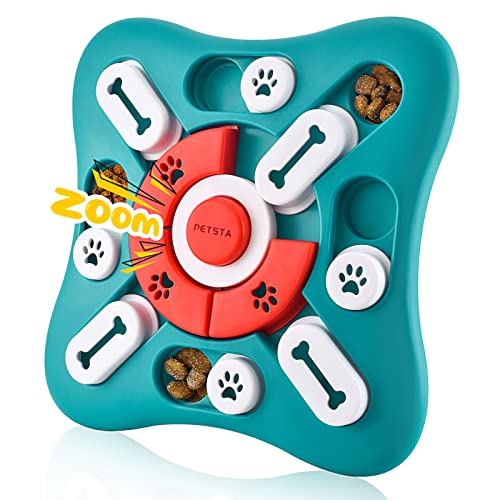
Every time your dog jumps and nips, they practice the behavior. The first step is to set them up for success. Keep a leash on your dog indoors so you can step on it to prevent them from launching upward. Use baby gates to create a buffer zone at the front door. When visitors arrive, have your dog on a mat or in a crate with a stuffed toy. For high-energy breeds like Australian Shepherds, mental stimulation is key. A puzzle toy for Australian Shepherds can redirect that nipping energy into a productive challenge, keeping their mouth busy on something appropriate while you greet guests.
Step 2: Teach an Incompatible Behavior
You cannot just stop a behavior, you have to replace it. Teach your dog to sit when they want attention. Start in a low-distraction room. When your dog approaches, ask for a sit before you pet them. If they jump up, immediately cross your arms, turn away, and become a statue. No eye contact, no talking. The moment all four paws are on the floor, calmly say “yes” and reward with a treat or gentle petting. Repeat this every single time. For large breeds like Cane Corsos, consistency is critical because a jumping 100-pound dog can knock someone over. If you are considering this breed, check out our guide on Are Cane Corsos Good Family Dogs to understand their training needs.
Step 3: Redirect Nipping to Appropriate Toys
When your dog mouths your hand, do not yank away, that can look like a game. Instead, let your hand go limp and say “ouch” in a calm, high-pitched yelp, then immediately offer a toy. If they take the toy, praise them. If they keep mouthing, get up and leave the room for 30 seconds. This teaches them that nipping ends the fun. Keep a variety of textures available, soft plush toys, rubber chew rings, and rope tugs. For dogs that nip out of boredom, especially smart breeds like Australian Shepherds, feeding meals in a slow feed dog bowl for Australian Shepherds can extend meal time and satisfy their need to work for food, reducing overall mouthiness.
Puppies have 28 baby teeth that start falling out around 12 weeks old. The urge to nip peaks during teething (4 to 6 months) because their gums are sore. Frozen washcloths or rubber toys filled with wet food and frozen can be a lifesaver during this phase.
Step 4: Use Calm Greetings for Everyone
Dogs jump to greet faces, so you need to change how you enter the house. When you come home, ignore your dog for the first few minutes. Do not make eye contact, do not talk, do not touch. Walk to the kitchen, put your bag down, and only acknowledge your dog once they are calm and sitting. Ask family members and visitors to do the same. If a guest cannot follow instructions, put your dog on a leash or in a separate room until they settle. This is not mean, it is clear communication. Over time, your dog learns that calm behavior gets attention, jumping gets nothing.
Step 5: Exercise and Mental Enrichment Are Non-Negotiable
A tired dog is a polite dog. Jumping and nipping are often symptoms of pent-up energy. Make sure your dog gets at least 30 minutes of structured exercise daily, plus mental games. For herding breeds like Australian Shepherds, a tired body is not enough, they need a tired brain. Use training sessions, nose work games, and food puzzles. Feeding a high-quality diet also supports stable energy levels. For growing puppies, check out our recommendations for best dog food for Australian Shepherd puppies to support their development without excess sugar or fillers that can cause hyperactivity.
Step 6: When to Seek Professional Help
If your dog’s nipping breaks skin, if they growl or stiffen before biting, or if you have tried consistent training for two weeks with no improvement, consult a certified professional dog trainer or a veterinary behaviorist. Some medical issues, like pain or thyroid problems, can cause irritability and mouthiness. Always ask your vet to rule out underlying health concerns if the behavior seems sudden or intense. For most dogs, patience and consistency are all you need. Stick with it, and you will have a dog who greets you with a wagging tail and four paws on the floor.