You walk out the door, and within minutes your dog is panting, pacing, or howling. You come home to shredded pillows or scratched door frames. This isn’t bad behavior, it’s panic. Separation anxiety is a genuine emotional condition where your dog feels overwhelming distress when left alone. The good news is that with patience and the right approach, you can help them feel safe and secure. Here is exactly how to start.
Recognize the Real Signs of Separation Anxiety
Before you can fix the problem, you need to know it’s separation anxiety and not just boredom or teenage rebellion. True separation anxiety shows up only when you are gone or about to leave. Common signs include:
- Excessive barking, howling, or whining that starts right after you leave
- Destructive behavior focused on exits, like chewing door frames or digging at windows
- Accidents in the house even though your dog is otherwise house-trained
- Pacing in a fixed pattern or drooling excessively
- Refusing to eat treats or food while alone
If your dog also destroys your couch or shoes when you are home, that is likely boredom or teething, not separation anxiety. Knowing the difference changes your strategy.
Record your dog on a cheap camera or phone for 10 minutes after you leave. Watching the footage helps you see exactly when the anxiety kicks in, which guides your training plan.
Start With Small Departures and Counter-Conditioning
The core of fixing separation anxiety is teaching your dog that being alone is safe and even good. You do this by pairing your departure with something they love. Start with micro-departures. Put on your coat, pick up your keys, then sit back down. Repeat until your dog stops reacting to those cues. Then step out the door for one second, come back in, and give a calm, quiet treat. Slowly build up to 5 seconds, then 10 seconds, then a minute.
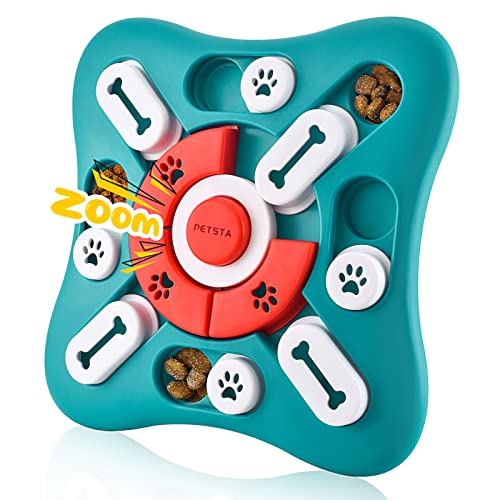
During this training, give your dog a special item they only get when you leave. A stuffed Kong or a long-lasting chew can work wonders. For high-energy breeds like Australian Shepherds, a challenging puzzle toy for Australian Shepherds can keep their busy mind occupied and shift their focus from your absence to the problem at hand. The goal is to change their emotional response from panic to anticipation.
Create a Safe and Predictable Environment
Dogs with separation anxiety thrive on routine and comfort. Make your home a sanctuary, not a trigger zone. Leave a piece of your worn clothing (like an old t-shirt) in their bed. The familiar scent is calming. Use a white noise machine or a calming music playlist to block out outside sounds that might spook them. Close the blinds if your dog reacts to people walking by.
Their resting area matters a lot. A cozy, enclosed bed can feel like a den. If you have a breed prone to anxiety, like a sensitive Cane Corso, providing a consistent setup is key. You might also consider their feeding arrangement; a stable, elevated bowl can reduce neck strain and make mealtime more relaxing. Check out the best dog bowls for Cane Corsos if you are looking for ergonomic options that support calm eating. Never use your departure as a punishment or a big emotional event. Keep your goodbyes low-key, just a quiet “be back soon” and go.
Exercise and Mental Stimulation Are Non-Negotiable
A tired dog is a less anxious dog. This is not a cure, but it is a powerful tool. Before any planned absence, give your dog a solid workout. A 30-minute brisk walk, a game of fetch, or a short run can drain excess energy that fuels anxiety. For working breeds like Australian Shepherds, physical exercise alone is not enough. They need a job. Spend 15 minutes on obedience training or hide treats around the house for a sniffing game.
Feeding a high-quality diet also supports stable mood and energy. For active breeds, a protein-rich food can help maintain steady blood sugar and brain function. If you have an Australian Shepherd puppy, you might look into best dog food for Australian Shepherd puppies to ensure they get the right nutrients for growth and emotional regulation. A full body and mind make the alone time feel less overwhelming.
“The goal is not to teach your dog to tolerate being alone, but to teach them that being alone is safe and even boring, in a good way.”
Consider Professional Help and Medication When Needed
Some dogs have severe separation anxiety that does not respond to training alone. This is not a failure on your part. If your dog is injuring themselves, destroying property to the point of danger, or not improving after a month of consistent training, talk to your veterinarian. They can rule out underlying medical issues and discuss options like anti-anxiety medication or a referral to a board-certified veterinary behaviorist.
Medication is not a sedative. It lowers the panic threshold so that training can actually work. Think of it like a cast for a broken leg: it stabilizes the problem while the real healing happens. Never use punishment for separation-related behavior. Punishment increases fear and makes the anxiety worse. Your dog is not being spiteful, they are scared.
Long-Term Management and Patience
Helping a dog with separation anxiety is a marathon, not a sprint. Some dogs improve in weeks, others take months. Keep a log of your departures and your dog’s reactions. Celebrate small wins, like a day with no accidents or a minute of quiet after you leave. If you hit a plateau, go back to the last step where your dog was comfortable and build from there.
Consider a dog sitter or a trusted doggy daycare for days when you have to be gone for long hours. Even one or two days a week of social, supervised time can break the cycle of panic. Remember, your calm energy is contagious. If you are anxious about leaving, your dog picks up on it. Breathe, trust the process, and give your dog the gift of your patience. They are worth it.