Bringing home a new fish is exciting, but that plastic bag from the store is a ticking time bomb for your aquarium. The water inside is chemically different from your tank, and the sudden change can send your new pet into shock. I have been there, rushing to dump a fish in only to watch it gasp at the surface. To avoid that heartbreak, you need a solid plan. This guide walks you through exactly how to introduce new fish to your aquarium, step by step, so everyone stays healthy and happy.
Why You Cannot Just Dump The Bag Water In
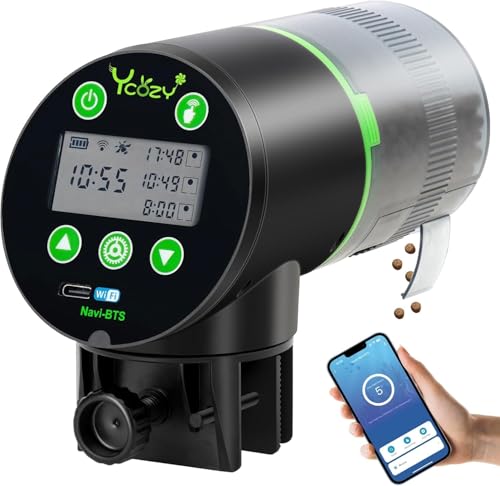
It is tempting to tear open the bag and pour everything into the tank, but that is one of the fastest ways to crash your water parameters. The water in the bag is usually loaded with ammonia from the fish waste during transport. It also has a different pH, temperature, and salinity. Dumping that water into your established tank can stress your existing fish and introduce unwanted bacteria or parasites. Always, always acclimate your new fish using a clean container, not the bag water itself. If you need to step away during the process, a WiFi Fish Feeder Comparison: Top App-Controlled Models can help keep your tank fed on schedule while you focus on the new arrivals.
Step 1: Quarantine Your New Fish First
Before you even think about adding a new fish to your main display tank, set up a separate quarantine tank. This is a small, bare-bottom tank with a sponge filter and heater. Keep the new fish in quarantine for at least two weeks. Watch for signs of illness like white spots, clamped fins, or rapid breathing. Quarantine protects your entire aquarium from a potential outbreak. It also gives the new fish time to recover from transport stress and start eating normally. If you skip this step, you are gambling with the lives of every fish you already have.
Step 2: Float The Bag To Match Temperature
Once you are ready to move the fish from quarantine to the main tank, start by floating the sealed bag on the surface of your aquarium for 15 to 20 minutes. This slowly equalizes the temperature. Do not open the bag during this time. After floating, open the bag and pour the fish and water into a clean bucket or a dedicated acclimation container. Never pour the bag water directly into your display tank. If you are worried about missing feeding times during this process, an Which Automatic Fish Feeder Is Best? 5 Top Picks for 2026 can automate your regular feedings so you can focus on acclimation.
Step 3: Drip Acclimate For Water Chemistry
Temperature is only half the battle. The pH, hardness, and salinity of the bag water are likely different from your tank. The safest method is drip acclimation. Use an airline tubing with a control valve to slowly drip water from your tank into the bucket holding the fish. Aim for a rate of 2 to 4 drops per second. Let it run until the water volume in the bucket has doubled, which usually takes 30 to 60 minutes. This gradual change lets the fish adjust its osmoregulation without stress. For sensitive species like discus or shrimp, take a full hour.
If you do not have a drip acclimation kit, you can use a simple turkey baster to add a small cup of tank water to the bucket every 5 minutes. Just be gentle and consistent.
Step 4: Net The Fish, Do Not Pour
After acclimation, use a soft mesh net to gently scoop the fish out of the bucket and transfer it to your aquarium. Do not pour the bucket water into the tank. That water is now a mix of old bag water and tank water, and it can still contain contaminants. Lower the net into the tank and let the fish swim out on its own. If the fish seems stressed or hides immediately, turn off the tank lights for a few hours to help it settle. A dark environment reduces anxiety for newly introduced fish.
“A slow introduction is the single best gift you can give your new fish. Patience now saves heartbreak later.”
Step 5: Monitor And Do Not Feed For 24 Hours
Do not feed your new fish for the first 24 hours after introduction. It is likely still stressed and may not eat. Uneaten food will just decay and spike your ammonia levels. After 24 hours, offer a small amount of high-quality food and watch to see if the fish eats. If it does not, wait another 12 hours and try again. Keep an eye on your water parameters for the next few days. The addition of a new fish can cause a mini cycle, so test ammonia and nitrite daily. If you see a spike, perform a small water change immediately.
What To Do If Your New Fish Is Hiding Or Not Eating
It is completely normal for a new fish to hide for the first few days. Give it plenty of hiding spots like plants, caves, or driftwood. Dim the lights and keep tank activity low. If the fish still refuses to eat after 48 hours and looks thin or has clamped fins, it may be sick. In that case, move it back to quarantine and consult a fish health resource or your local aquarium store. Never add medication to your main display tank without knowing the exact illness. A gentle salt bath in quarantine can help with mild stress, but always ask your vet or an experienced aquarist before treating.
If you have other pets in the house, like a curious dog, keep the aquarium lid secure and the area calm during fish introductions. Stress from outside the tank can also affect your fish. For dogs with long coats that shed near the tank, Long Coat Dog? Best Fish Oil for Shiny Fur, Any Budget can help manage dander and keep your home cleaner.