Bringing home a puppy is supposed to be pure joy, but when your new pup cowers at every sound or hides behind your legs when someone walks by, it can feel heartbreaking. You want them to be happy and confident, but every attempt to help seems to backfire. The truth is, socializing a fearful puppy isn’t about throwing them into the deep end. It’s about respecting their fear, moving at their speed, and showing them the world is a safe place, one small win at a time.
Understand the Fear: Why Your Puppy Is Scared
Fear in puppies often comes from a lack of positive early experiences during the critical socialization window (roughly 3 to 16 weeks of age). If they missed meeting new people, hearing household noises, or exploring different surfaces, the world can feel overwhelming. Some breeds, like the sensitive Australian Shepherd, are naturally more alert and prone to wariness, while a large breed like the Cane Corso might become fearful if they feel they need to guard their space. Recognize that your puppy’s fear is not a reflection of your training, it’s a signal that they need more time and gentler exposure.
Start With Distance: The Power of Observation
The single most effective technique for a fearful puppy is to let them watch from a safe distance. If your puppy trembles at the sight of a stranger, do not walk them directly toward that person. Instead, stand far enough away that your puppy notices the person but does not react with fear. This is called being “under threshold.” Every time they look at the trigger and then look back at you, calmly give them a high-value treat. You are teaching them that scary things predict good things. Over several sessions, slowly decrease the distance, always staying below their fear threshold.
Use High-Value Rewards and the Right Tools
Your puppy’s regular kibble will not cut it here. You need tiny pieces of boiled chicken, cheese, or freeze-dried liver. The reward must be more exciting than the fear. Pair this with a calm, consistent routine. For example, if your puppy is nervous during mealtime because of a busy kitchen, try using a Slow Feed Dog Bowl for Australian Shepherds to turn eating into a focused, calming activity. The slow feeder encourages them to work for their food, which can distract from environmental anxiety. For a larger, nervous puppy, consider Reduce Neck Strain: Best Dog Bowls for Cane Corsos to ensure comfortable eating posture, as physical discomfort can amplify stress.
Create Positive Associations With Novelty
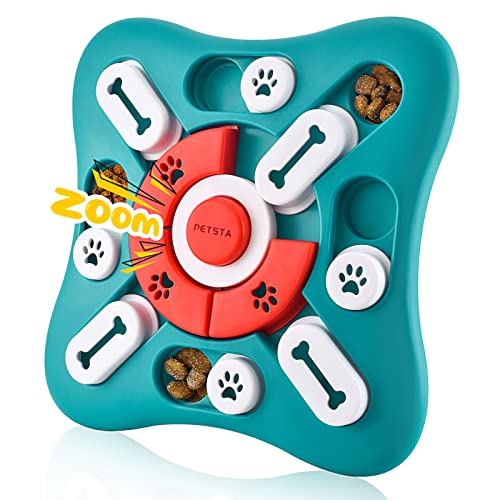
Fearful puppies often panic over unexpected sounds or objects. Use classical conditioning to change their emotional response. Play a recording of a doorbell or a vacuum cleaner at a very low volume while you feed them a meal. Gradually increase the volume over days. For visual novelty, place a new object like a wobble board or a laundry basket in the middle of the room and scatter treats around it. Let your puppy explore it on their own terms. If they are a clever breed like an Australian Shepherd, a Puzzle Toy for Australian Shepherds: Top Picks for Smart Dogs can be placed near the new object to engage their brain and build confidence through problem-solving.
A puppy’s brain is most receptive to new experiences before 16 weeks of age. Even if your puppy is older, you can still make progress, it just takes more repetition and patience. Every positive interaction rewires their neural pathways toward safety.
Invite Calm Visitors, Not Excited Crowds
Do not invite a dozen people over to meet your puppy. That is a recipe for a meltdown. Instead, invite one calm, quiet friend. Have them sit on the floor with their side to your puppy (no direct eye contact) and toss treats gently in your puppy’s direction without reaching out. Let your puppy approach when ready. If your puppy hides, that is fine. The visitor should ignore them completely. After several visits, your puppy will begin to associate guests with treats and safety, not fear. Never allow anyone to pet a fearful puppy on the head or pick them up without their consent.
“Fear is not a failure of training, it is a request for more time and gentler steps.”
Manage the Environment and Avoid Flooding
Flooding is when you force a puppy to face their fear head-on, like shoving them into a crowd or holding them while a stranger pets them. This almost always backfires and deepens the fear. Instead, manage your puppy’s environment to set them up for success. If they are scared of the car, start by sitting in the parked car with treats and the engine off. If they are scared of other dogs, walk at quiet times and keep a generous distance. Use baby gates to create safe zones in your home where your puppy can retreat. Consistency and predictability are your best tools.
If your puppy’s fear is severe, such as freezing, urinating, or growling at every new thing, consult a certified positive-reinforcement trainer or your veterinarian. They can rule out pain or medical issues and create a tailored behavior modification plan. Never punish fear-based behaviors, as this will only teach your puppy that being scared leads to bad things, making the fear worse.
Build Confidence Through Training and Play
Teaching your puppy simple cues like “sit,” “down,” and “touch” in a quiet room builds their confidence because they learn they can control their environment and earn rewards. This is called “learned optimism.” Once they are solid in a calm space, practice the same cues in slightly more distracting environments. Play also builds confidence. Tug-of-war with clear rules (you start and stop the game) or chasing a flirt pole can help a fearful puppy learn to engage with you in a fun, low-pressure way. Always end a training or play session on a positive note, with your puppy feeling successful.