If your dog hides behind your legs at the park or trembles when a stranger walks by, you are not alone. Many nervous dogs need a gentle, customized approach to socialization. The key is to move at your dog’s pace, not the world’s. Socialization is not about forcing your dog to meet everyone; it is about teaching them that new things are safe and even rewarding. With patience and the right strategies, you can help your anxious pup build confidence one small step at a time.
Start with a Safe Sanctuary at Home
Before your dog can face the outside world, they need a reliable retreat inside your home. Create a quiet corner where your dog can decompress without pressure. A crate with a soft blanket or a designated bed works well. For extra comfort, consider a cooling mat if your dog tends to pant or get warm when stressed. This space should be off-limits to guests and other pets. When your dog learns they can escape to a safe spot, they will feel more secure exploring from that base.
Use Desensitization and Counterconditioning
The most effective way to socialize a nervous dog is to pair scary things with something wonderful. If your dog is afraid of new people, have a calm friend stand at a distance where your dog notices them but does not react. At that moment, drop high-value treats like chicken or cheese. Over several sessions, slowly decrease the distance. This process is called counterconditioning, and it rewires your dog’s emotional response. Never rush; if your dog shows signs of stress like lip licking or yawning, you have moved too fast.
Practice Controlled Introductions with Calm Dogs
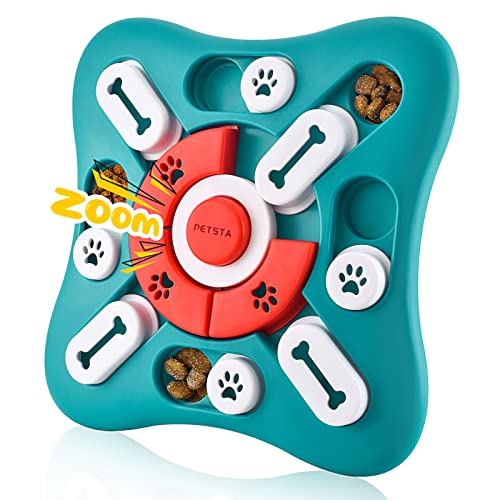
One of the best ways to boost a nervous dog’s confidence is through positive interactions with a balanced, calm canine companion. Arrange a neutral meeting on a quiet street or in a fenced yard. Keep both dogs on loose leashes and let them approach at their own pace. A confident dog can model relaxed behavior, showing your pup that new friends are not threats. If your dog is a breed known for sensitivity, like an Australian Shepherd, you may find that structured play with puzzle toys helps them focus and relax. Check out our guide on puzzle toys for Australian Shepherds for ideas that engage their mind and reduce anxiety.
“The goal is not to make your dog love everyone, but to teach them that the world is not as scary as they think.”
Manage the Environment to Set Your Dog Up for Success
When you are out and about, control the variables as much as possible. Choose quiet times for walks, like early mornings or late evenings. Stick to familiar routes before trying new ones. If your dog is overwhelmed by a busy street, cross the road or turn around. Always carry high-value treats and reward your dog for calm behavior, even if they are just watching a distant jogger. For dogs that eat fast out of nervousness, a slow feeder bowl can help them eat more calmly at home. Look into slow feed dog bowls for Australian Shepherds if your pup tends to gulp food when anxious.
Dogs have a critical socialization window between 3 and 14 weeks of age, but older dogs can still learn new social skills. It just takes more repetition and patience. Even senior dogs can become more confident with consistent, positive exposure.
Know When to Take a Break
Pushing a nervous dog too hard can backfire and make fear worse. Watch for subtle stress signals: tucked tail, whale eye (showing the whites of their eyes), panting, or freezing. If you see these, end the session calmly and return home. Let your dog relax in their safe space. A tired, stressed dog does not learn well. Short, positive sessions of 5 to 10 minutes are far more effective than long, overwhelming ones. If your dog’s anxiety is severe, consider consulting a certified professional dog trainer or a veterinary behaviorist. They can rule out medical issues and create a tailored plan.
Build Confidence Through Enrichment at Home
Socialization is not only about other dogs and people. It is also about helping your dog feel capable in their own skin. Teach simple tricks like sit, down, or touch using positive reinforcement. This builds a communication bridge between you and your dog. Provide enrichment like snuffle mats, frozen Kongs, or nose work games. For intelligent breeds like Australian Shepherds, mental stimulation is crucial. A tired brain is a calmer brain. You can find excellent options in our guide on puzzle toys for Australian Shepherds to keep their mind sharp and reduce nervous energy.
Remember, every small step forward is a victory. Your nervous dog is not being stubborn; they are trying to survive in a world that feels overwhelming. By being their advocate and guide, you can help them discover that new experiences can be safe, fun, and even rewarding.