You love your dog, but that full-body greeting when guests arrive? Not so much. Jumping up is one of the most common complaints from dog owners, and it’s also one of the most fixable. The good news is that jumping is almost always an excited, attention-seeking behavior, not a sign of aggression. With consistent training and a few management tricks, you can teach your dog that keeping all four paws on the ground is the fastest way to get what they want: a warm welcome.
Why Do Dogs Jump on People?
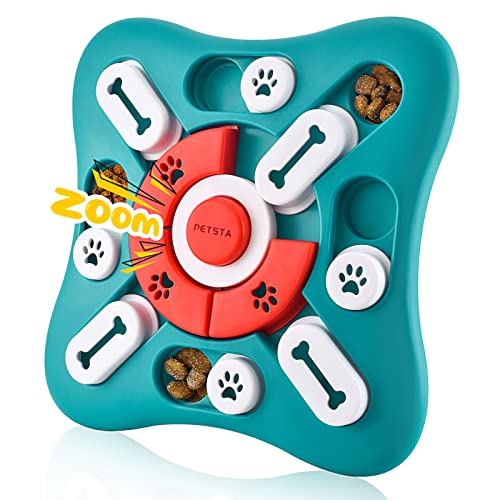
Dogs jump up to get closer to your face, which is how they naturally greet other dogs. Puppies learn early that jumping up gets a reaction, even if that reaction is a push or a loud “no.” For many dogs, any attention is good attention. This is especially true for high-energy breeds like Australian Shepherds, who thrive on interaction and can get over-aroused by new visitors. If you own a smart, active dog, consider channeling that energy into puzzle toys for Australian Shepherds to help them burn mental energy before guests arrive.
Management First: Set Your Dog Up for Success
Before you can teach a new behavior, you need to stop practicing the old one. Every time your dog jumps and gets a reaction, they are rehearsing the behavior. Use these management strategies in the meantime:
- Use a leash or tether. Have your dog on a leash when guests arrive, or tether them to a heavy piece of furniture. Step on the leash so they can’t physically jump up.
- Use baby gates. Keep your dog behind a gate when the doorbell rings. Let them settle before greeting guests calmly.
- Provide a place mat or bed. Train your dog to go to a specific spot, like a dog bed, when guests come in. Reward them for staying there.
Teach an Incompatible Behavior: The Sit-to-Greet
The single most effective way to stop jumping is to teach your dog that sitting gets them what they want. Here’s the drill:
- Ask your dog to sit before you give them any attention, including petting, eye contact, or praise.
- If they jump, immediately turn your back and cross your arms. No words, no eye contact.
- The moment all four paws are on the floor, turn around and reward with calm praise or a treat.
- Practice this with family members and friends before trying it with strangers.
Be patient. This works because it removes the reward for jumping (attention) and provides a reward for sitting (attention).
Use high-value treats for training, like small pieces of chicken or cheese. Keep them in a pouch so you can reward instantly. For dogs that get extra hot during training sessions, a cooling mat can help them settle down and stay comfortable between practice rounds.
Practice With Real Guests in Controlled Scenarios
Once your dog understands the sit-to-greet with you, it’s time to generalize the behavior. Ask a friend to help you practice. Have them approach your front door, ring the bell, and wait. If your dog stays sitting, your friend enters calmly and gives a quiet treat. If your dog jumps, the friend steps back outside. Repeat until your dog realizes that jumping makes the person disappear, and sitting makes them come closer.
“The dog who jumps is not a bad dog, they are just a dog who hasn’t learned that calm feet get the best treats.”
What About Excited Greeting Behaviors?
Some dogs are so excited that they can’t focus on sitting. In that case, you can teach an alternative like “go to your mat” or “touch my hand.” Another option is to have guests toss treats on the floor so your dog learns to look down instead of up. For dogs that are especially mouthy or jumpy with children, always use a barrier like a baby gate or crate for safety. If you have a large breed like a Cane Corso, their size makes jumping more dangerous, so checking whether Cane Corsos are good family dogs includes understanding their training needs for calm greetings.
Common Mistakes That Make Jumping Worse
- Pushing the dog away. To a dog, a push can feel like play. Instead, remove your attention entirely.
- Yelling or kneeing. This can scare some dogs or amp up others. It’s not a clear communication tool.
- Inconsistent rules. If one family member allows jumping and another doesn’t, your dog will be confused. Everyone must follow the same plan.
- Skipping exercise. A tired dog is a calmer dog. Make sure your dog gets a good walk or play session before guests arrive.
When to Get Professional Help
If your dog’s jumping is paired with growling, snapping, or fear-based behaviors, it’s time to work with a certified professional dog trainer or a veterinary behaviorist. Jumping can sometimes be a sign of over-arousal or anxiety, not just excitement. A trainer can help you create a customized plan. Also, if your dog has any physical discomfort that makes sitting difficult, check their eating setup. For example, using elevated dog bowls for Cane Corsos can reduce neck strain and make your dog more comfortable during training sessions.
Remember, every dog learns at their own pace. Stay consistent, stay calm, and celebrate the small wins. Your guests will thank you, and your dog will finally learn that the best way to say hello is with four paws on the floor.