Teaching your dog to lie down on command is one of the most useful skills you can build together. It helps with impulse control, keeps your dog calm during meals or greetings, and creates a reliable foundation for more advanced training. Whether you have a bouncy puppy or a stubborn adult dog, this step-by-step guide will walk you through a clear, positive-reinforcement method that actually works. No force, no frustration, just a treat and a little patience.
Why the Down Command Matters More Than You Think
The down position is a natural de-escalator. When a dog lies down, their body relaxes, breathing slows, and they shift from excitement to a calmer state. This makes it invaluable for real-life situations: asking your dog to lie down while you eat dinner, while guests arrive, or while you clip their nails. It also pairs beautifully with a stay command later on. For high-energy breeds like Australian Shepherds, the down command can be a lifesaver when their herding instincts kick in. And for larger, more protective dogs like Cane Corsos, a solid down gives you a way to ask for calm before a situation escalates.
Step 1: Set Up for Success
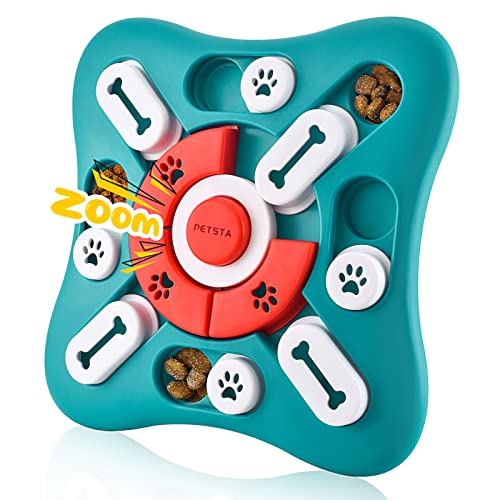
Before you start, gather high-value treats that your dog doesn’t get every day. Small, soft bits of cheese, chicken, or freeze-dried liver work well. Choose a quiet area with few distractions, like a corner of your living room. Keep sessions short, no more than 5 minutes at a time, and always end on a positive note. If your dog is particularly food-driven, you can even practice right before a meal using a portion of their kibble. For dogs that struggle with focus, consider using a slow feed dog bowl to extend their mealtime and build patience, which carries over into training sessions.
Step 2: The Luring Method (Fastest and Kindest)
This is the most reliable way to teach down, especially for puppies or nervous dogs. Here’s the exact sequence:
- Hold a treat in your closed hand and let your dog sniff it.
- Move your hand slowly down to the floor, directly in front of their nose, as if you’re drawing a straight line from their nose to the ground.
- As their nose follows, their front legs will naturally start to fold. The moment their elbows touch the floor, say “yes!” or click, and give them the treat.
- Repeat this five times, then add the verbal cue “down” just before you move your hand.
If your dog pops back up immediately, that’s normal. Just wait a second, then lure again. The key is rewarding the moment the elbows hit the floor, not after they’ve been down for a while. Gradually, you can delay the reward by a second or two to build duration.
If your dog is too excited to follow the lure, try using a lower-value treat or practice after a short walk when they’re a little tired. Some dogs respond better to a toy lure, but food usually works fastest for the down position.
Step 3: Troubleshooting Common Problems
Not every dog gets it on the first try. Here are the most common hiccups and how to fix them:
- Dog backs up instead of lying down: Try luring from a seated position, or place your dog in a corner so they can’t back up.
- Dog only lies down partway (hovering): Wait them out. Don’t reward a hover. Move the treat slower, or try a different treat that’s extra smelly.
- Dog lies down but pops right up: Reward the instant they’re down, then immediately give another treat while they’re still down to reinforce the position.
- Dog won’t lie down on hard floors: Some dogs dislike cold or slippery surfaces. Try a rug or a yoga mat. For breeds with joint concerns, like some Cane Corsos, a soft surface can make the position more comfortable and prevent hesitation.
Step 4: Add the Verbal Cue and Phase Out the Lure
Once your dog consistently follows the hand lure into a down, it’s time to fade the treat from your hand. Hold a treat in your other hand, then give the verbal cue “down” while making an empty hand gesture (palm flat, moving toward the floor). When they lie down, reward from your other hand. After a few sessions, you can hide the treat in your pocket and only reward after they complete the down. This prevents your dog from only listening when they see food.
Step 5: Proof the Behavior in Real Life
A command isn’t truly learned until your dog can do it anywhere. Start practicing in slightly more distracting environments: your backyard, a quiet park bench, or while on a walk. For smart, easily bored dogs like Australian Shepherds, mixing in a few puzzle toys after training sessions can help them stay mentally satisfied and more willing to focus on you. If your dog ignores you in a new place, go back to the lure method for a few reps, then try the verbal cue again. Always reward generously in new settings.
“A down is not just a position, it’s a pause button for your dog’s brain.”
Step 6: Build Duration and Distance Gradually
Once your dog reliably lies down on cue, you can work on holding the position. Start by counting to three before rewarding, then slowly increase to five, ten, and so on. If your dog gets up early, you’ve increased too fast. Go back to a shorter duration and try again. After your dog can hold a down for 30 seconds, you can add distance: take one step back, then return and reward. Over several sessions, increase to two steps, then three. This is the foundation of a solid stay.
If your dog shows signs of stiffness, reluctance, or pain when lying down, especially if they are a large breed or senior, pause training and consult your vet. The down position can be uncomfortable for dogs with hip or elbow issues. Always prioritize your dog’s comfort over perfect form.