Bringing home a new puppy is one of the most exciting days for any pet parent. But before you can teach sit, stay, or potty training, your puppy needs to learn one thing first: their name. When your puppy responds to their name, it means they’re paying attention to you, and that’s the foundation for everything else. Whether you have a clever Australian Shepherd or a loyal Cane Corso, the process is the same: make their name mean something wonderful. Here’s how to do it the right way, with patience and plenty of treats.
Start in a Quiet Space with No Distractions
Your puppy’s brain is like a sponge, but it’s also easily overwhelmed. To teach their name effectively, begin in a room where there are no other pets, loud noises, or interesting smells. A quiet corner of the living room or a small hallway works perfectly. Hold a handful of high-value treats (small, soft, and smelly, like bits of chicken or cheese) and stand a few feet away from your puppy. Say their name in a bright, happy tone of voice, and the moment they look at you, mark that behavior with a word like “yes!” and give them a treat. Repeat this 10 to 15 times per session, and keep sessions short, about two to three minutes each. You want your puppy to think, “When I hear that sound, I look at the human, and good things happen.”
Use a Marker Word or Clicker for Precision
Timing is everything when teaching a puppy their name. If you say their name and they look at you three seconds later, you need a way to tell them exactly which behavior earned the treat. That’s where a marker word like “yes!” or a clicker comes in. The marker means “that’s it, reward coming!” and helps your puppy connect the dots faster. For example, say “Bailey,” and the instant their eyes meet yours, click or say “yes!” and then treat. This clarity speeds up learning and keeps your puppy engaged. If you have a food-motivated breed like a Cane Corso, using a high-protein treat can make a big difference in their focus during training sessions.
Puppies can learn their name in as few as 10 to 20 repetitions if the training is consistent and positive. But don’t rush, every puppy learns at their own pace. Some breeds, like herding dogs, may pick it up faster because they’re bred to pay close attention to their humans.
Gradually Add Distance and Distractions
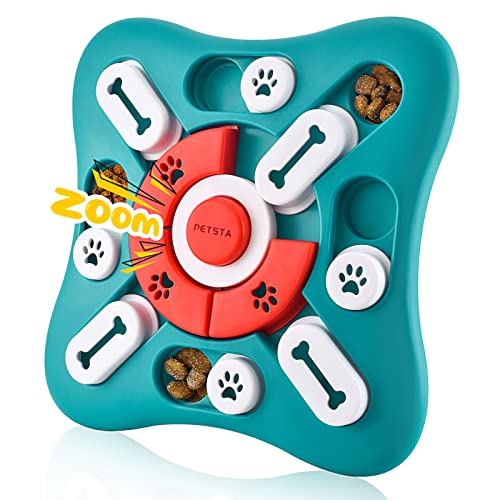
Once your puppy reliably looks at you when you say their name in a quiet room, it’s time to level up. Move to a slightly busier area, like the kitchen while you’re preparing food, or the backyard. Repeat the same game: say their name, mark the look, and reward. If they don’t respond, you’ve moved too fast, so go back to the quiet room for a few more sessions. The goal is to have them respond to their name even when there’s a squirrel outside or the doorbell rings. For active breeds like the Australian Shepherd, you can incorporate a puzzle toy as a reward after a successful name response, which engages their brain and makes training feel like a game.
Never Use Their Name in a Negative Way
This is the golden rule of name training: your puppy’s name should always be associated with good things. Never say their name when you’re angry, scolding them, or calling them to do something they dislike (like a bath or a nail trim). If you need to correct a behavior, use a different word, like “uh-oh” or “no.” If you use their name in a harsh tone, they will learn to ignore it or, worse, fear it. Keep the name a happy sound that predicts treats, play, and affection. If you have a large breed puppy like a Cane Corso, you might also want to consider using an elevated dog bowl to reduce neck strain during mealtime, which keeps them comfortable and happy when you call them to eat.
Practice Name Recognition During Everyday Moments
Name training isn’t just for formal sessions. You can practice it throughout the day in natural ways. When you’re about to give your puppy their food bowl, say their name before you set it down. When you’re about to throw a toy, say their name and wait for eye contact before you toss it. When they’re sniffing a bush on a walk, say their name, and if they look back, reward them with a treat. These real-world repetitions are incredibly powerful because they teach your puppy that their name matters everywhere, not just in the training room. For puppies who are very food-driven, like some Australian Shepherds, using their puppy food as a reward during meal prep can double as a training opportunity.
“Your puppy’s name is not just a label, it’s a promise of good things. Make it the happiest sound they hear all day.”
Troubleshooting Common Name Training Problems
If your puppy isn’t responding to their name, check a few things. First, are you using a high enough value treat? Some puppies need extra motivation, especially if they’re distracted. Second, are you saying their name too many times in a row? If you say “Rover, Rover, Rover,” they learn to tune you out. Say it once, wait, and reward the look. Third, are you accidentally rewarding them for not looking? If you say their name and they don’t respond, don’t repeat it immediately. Instead, make a kissy noise or clap to get their attention, then say their name again when they’re looking at you. If you’re still struggling, consider whether your puppy might be hearing or vision impaired, and ask your vet for a checkup. Remember, patience is key. Name training is the first conversation you have with your new puppy, make it a loving one.