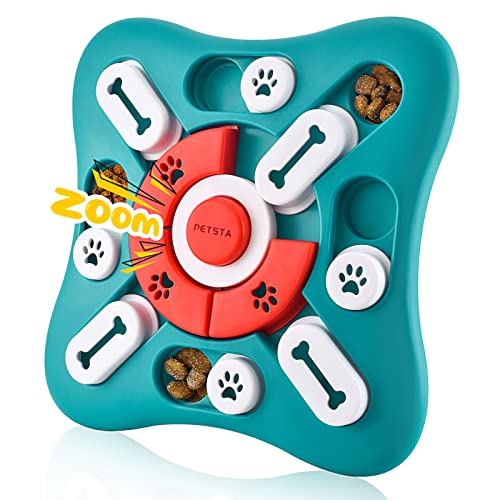
You fill the bowl, your dog dives in with enthusiasm, and moments later you hear that familiar, alarming hack. It’s a sound that makes any pet owner stop and worry. If your dog hacks after drinking, you’re not alone. This is a common concern, and while it’s often harmless, it can sometimes point to an underlying problem. Let’s walk through the most likely reasons, what you can do at home, and when a trip to the vet is the right call.
1. The Most Common Culprit: Drinking Too Fast
Many dogs, especially after exercise or when they are excited, gulp water down as fast as they can. This rapid intake often sends water into the trachea (windpipe) instead of the esophagus. The result is a reflexive cough or hack as the body tries to clear the airway. This is the same thing that happens to us when we “go down the wrong pipe.” If your dog hacks a few times and then is perfectly fine, this is likely the cause. To slow them down, try using a shallow bowl or a special slow-feed water bowl. You can also offer smaller amounts of water more frequently throughout the day.
2. Tracheal Collapse: A Common Issue in Small Breeds
If your dog is a small breed like a Yorkshire Terrier, Pomeranian, or Chihuahua, a collapsing trachea is a real possibility. The trachea is made of cartilage rings, and in some dogs, these rings weaken over time. When the dog breathes in, the trachea flattens, causing a distinct, honking cough. Drinking water can trigger this because the act of swallowing changes the pressure in the throat. The cough is often dry and sounds like a goose honk. If you notice this sound regularly, especially after drinking, eating, or when your dog is excited, just as some breeds shed heavily, others have breed-specific respiratory issues that require a vet’s diagnosis. Management often includes using a harness instead of a collar and avoiding irritants like smoke.
3. Laryngeal Paralysis: A Serious Condition
Laryngeal paralysis is a condition where the cartilage flaps (arytenoids) that cover the opening to the trachea don’t open and close properly. Normally, they open when your dog breathes in and close when they swallow. When they are paralyzed, they can flop into the airway, especially during exercise or after drinking. This causes a gagging, hacking, or raspy breathing sound. It is most common in older, large-breed dogs like Labrador Retrievers and Golden Retrievers. If your dog’s hack is accompanied by a change in bark, noisy breathing, or gagging after drinking, this is a vet emergency. Just as Bernese Mountain Dogs are known for their gentle nature with kids, certain breeds are predisposed to specific airway problems, so knowing your dog’s breed risk is helpful.
4. Reverse Sneezing: Not a Hack, But Often Mistaken for One
Reverse sneezing is a common phenomenon that owners often confuse with hacking. During a reverse sneeze, a dog will stand still, extend their neck, and make a loud, snorting sound as they forcefully inhale. It can happen after drinking, eating, or getting excited. It looks and sounds alarming, but it is usually harmless and caused by a spasm of the soft palate. You can often stop it by gently covering your dog’s nostrils for a second or two, which encourages them to swallow and break the spasm. If your dog is otherwise healthy and this happens occasionally, there is no need to worry.
5. When It Might Be a Sign of Something More
While the above reasons are common, a persistent hack after drinking can also point to other issues. These include kennel cough (a contagious respiratory infection), pneumonia, heart disease (which can cause fluid buildup and coughing), or a foreign object stuck in the throat. Just as hip dysplasia is a well-known issue in large breeds, respiratory problems can be breed-specific and require a tailored approach. Pay attention to accompanying signs like lethargy, loss of appetite, nasal discharge, or a fever. If the hack is productive (bringing up fluid or foam), or if your dog seems distressed, call your vet.
To see if fast drinking is the issue, try this: Fill the bowl only an inch deep. If your dog stops hacking after drinking from a shallow bowl, the problem was likely speed. If the hacking continues even with small amounts, it’s time for a vet check.
6. When to See the Vet and What to Expect
You should schedule a vet visit if the hacking happens more than once a day, lasts for more than a few minutes, or is accompanied by any other symptoms like wheezing, blue gums, or collapse. Your vet will likely listen to your dog’s heart and lungs, and may recommend X-rays or a sedated exam of the throat (laryngoscopy). Just as excessive drooling can be a sign of a problem in certain breeds, a persistent cough is a signal you shouldn’t ignore. Treatment depends on the cause: from simple lifestyle changes for fast drinkers, to medication for tracheal collapse, to surgery for laryngeal paralysis. Always follow your vet’s guidance rather than trying home remedies for serious conditions.
“A single hack after a big gulp is usually nothing. A daily hack after every drink is a conversation for your vet.”
Remember, you know your dog better than anyone. If something feels off, trust that instinct. Most of the time, a dog hacking after drinking is just a sign that they need to slow down, but staying informed helps you catch the less common, more serious issues early.