You know the look. You say something in a funny voice, and your dog cocks its head to one side, ears perked, eyes locked on you. It’s one of the most endearing things a dog does. But why do they do it? Is it just for the treats and belly rubs that follow, or is there something deeper going on? As a fellow dog owner, I’ve wondered the same thing. Let’s dig into the real reasons behind that irresistible head tilt and when you might want to pay closer attention.
1. They Are Trying to Hear You Better
Dogs have incredible hearing, but their ear anatomy is different from ours. When a dog tilts its head, it adjusts the position of its ear flaps (pinnae) to better capture and funnel sound waves into the ear canal. This is especially helpful for pinpointing the exact location of a sound or catching a high-pitched tone you might not even notice. Think of it like cupping your hand behind your ear. For breeds with floppy ears, like Cane Corsos or Australian Shepherds, this tilt can make a big difference in hearing clarity. If you’ve noticed your dog tilting its head while you’re talking, it may be trying to catch every word you say, especially during training or mealtime. Using the right dog bowls for Cane Corsos can also help reduce neck strain while they eat, making it easier for them to keep their ears in a natural position.
2. They Are Trying to See Your Face
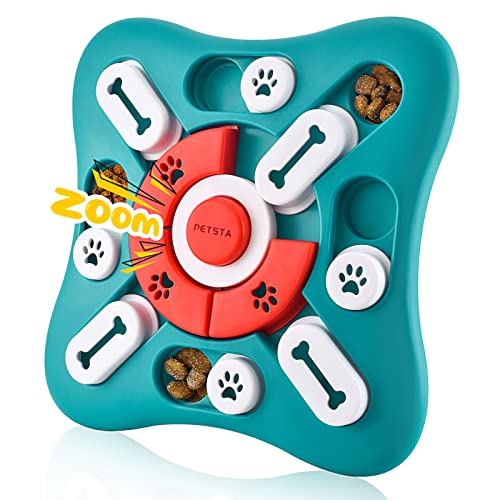
Dogs are masters of reading human body language, but their vision isn’t as sharp as ours, especially when it comes to detail. A dog’s muzzle can block part of their lower visual field. When they tilt their head, they shift their line of sight, allowing them to get a better view of your mouth and eyes. This is crucial for understanding your emotional state. Are you smiling? Are you about to give a command? The tilt helps them see the whole picture. This is why many dogs tilt their heads when you talk to them in a high-pitched, excited voice. They are literally trying to get a better look at your face to decode what you’re feeling. If you have a breed with a long snout, like an Australian Shepherd, this visual adjustment is even more important. Engaging their smart brains with puzzle toys for Australian Shepherds can also satisfy their need for mental stimulation while you work on communication cues together.
“The head tilt is your dog’s way of saying, ‘I’m listening with my whole heart, not just my ears.'”
3. It’s a Learned Behavior for Positive Attention
Let’s be honest: when your dog tilts its head, you probably react with coos, laughter, and maybe a treat. Dogs are incredibly smart, and they quickly learn which behaviors get a positive reaction. If your dog tilts its head and you immediately give them a smile and a scratch behind the ears, they will do it again. Over time, the head tilt becomes a conditioned response. It’s not that they are faking it, but they know it works. This is a beautiful example of the bond between you and your dog. They are actively trying to engage with you in a way that makes you happy. Just be careful not to reinforce it so much that it becomes compulsive. A healthy balance of praise and calm attention is key.
4. Empathy and Understanding
Research suggests that dogs tilt their heads when they are processing something meaningful, especially familiar words or tones. A 2021 study found that dogs who were particularly good at learning toy names tilted their heads more often when their owner said the name of a toy. This suggests the tilt is linked to focused attention and memory retrieval. Your dog isn’t just hearing the sound of your voice, they are trying to understand the meaning behind it. They are showing empathy by trying to connect with you on a deeper level. This is why the tilt often happens when you use a specific tone, like a gentle scolding or a happy greeting. They are reading your emotional cues and responding in kind.
Some experts believe that dogs with floppy ears, like Cane Corsos, tilt their heads more often than dogs with pointed ears because they need to physically move their ear flaps to funnel sound. A tilt helps them compensate for the muffling effect of their own ears.
5. When Should You Be Concerned?
While the head tilt is usually a charming quirk, there are times when it can signal a medical issue. If your dog suddenly starts tilting its head constantly, especially if they also have trouble walking, are circling, have nystagmus (rapid eye movement), or seem disoriented, it could be a sign of an ear infection, vestibular disease, or even a neurological problem. A persistent tilt that doesn’t go away when you stop talking is a red flag. If your dog also shakes their head, scratches at their ear, or has a bad smell coming from the ear, it’s time to see your vet. For general health and comfort, especially in warmer months, keeping your dog cool can prevent heat-related stress that might mimic other issues. A cooling mat can be a great way to help them relax after a long walk or play session.
6. Breed and Personality Factors
Not all dogs tilt their heads equally. Some breeds are more prone to this behavior than others. Dogs with large, heavy ears or long snouts (like Cane Corsos and Australian Shepherds) often tilt more because of the physical mechanics of hearing and seeing. But personality plays a huge role too. Dogs that are highly social, eager to please, and very attuned to their owners are more likely to tilt. If you have a Cane Corso, you might notice they tilt when you’re giving a command or praising them. If you’re considering adding one to your family, it’s worth reading up on whether Cane Corsos are good family dogs to understand their unique communication style. Similarly, Australian Shepherds, known for their intelligence and sensitivity, often tilt to process complex commands and emotional cues. If you’re thinking about an Aussie, you might also wonder if Australian Shepherds are good family dogs given their high energy and need for engagement.