You notice it first as a quiet licking, then it turns into a full-on chewing session. Your dog is gnawing at his paws, and he won’t stop. It’s frustrating to watch, and you worry he’s hurting himself. Constant paw chewing is a common problem, but it’s rarely random. Dogs chew their paws for specific reasons, and figuring out the cause is the first step to stopping it. In this guide, we’ll walk through the most likely culprits and what you can do to help your pup feel better.
1. Allergies: The Most Common Culprit
Allergies are the number one reason dogs chew their paws. Just like people get sneezy or itchy eyes, dogs often react to allergens with skin irritation, especially on their paws. The most common triggers are food allergies (often to proteins like chicken or beef, or grains like wheat) and environmental allergies (pollen, dust mites, mold, or grass). When your dog walks on grass or licks his paws after eating, the contact can cause intense itching. If you suspect food allergies, switching to a limited-ingredient diet can help. For example, if you have a breed prone to sensitivities, you might look into the 5 Best Dog Foods for Cane Corsos: High-Protein Picks as a starting point for protein-focused options. For environmental allergies, wiping your dog’s paws after walks and using a hypoallergenic shampoo can reduce exposure.
2. Dry or Irritated Skin
Sometimes the cause is simpler: dry, cracked skin. Harsh weather, low humidity, or frequent bathing with harsh shampoos can strip your dog’s paws of natural oils. This leads to flaking, itching, and chewing. You might also notice redness or rough patches between the toes. To soothe dry paws, apply a pet-safe paw balm or coconut oil. Avoid human lotions, as they can be toxic if licked. If your dog spends a lot of time on hot pavement or cold snow, his paw pads can become irritated, too. A good rule of thumb is to check his paws daily for dryness or cracks.
Dogs have sweat glands only on their paw pads. That’s why you sometimes see little wet footprints on a hot day. But those same pads are also super sensitive to allergens and irritants.
3. Boredom or Anxiety
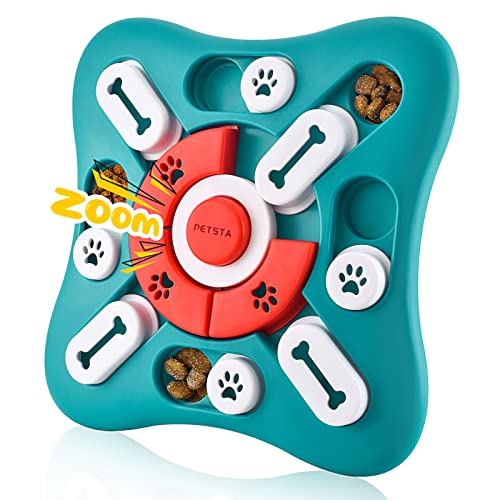
Dogs chew for comfort, and sometimes that comfort is a response to stress or boredom. If your dog is left alone for long hours, doesn’t get enough exercise, or lacks mental stimulation, he may turn to paw chewing as a self-soothing habit. This is especially common in high-energy breeds like Australian Shepherds, who need a job to do. If you have an Aussie, adding a challenge like Puzzle Toys for Australian Shepherds: Top Picks for Smart Dogs can redirect that nervous energy into something positive. Look for other signs of anxiety, such as pacing, whining, or destructive chewing on furniture. Increasing daily walks, playtime, and interactive toys can often stop the paw chewing on its own.
4. Parasites: Fleas, Ticks, and Mites
Fleas love warm, hidden spots, and the area between your dog’s toes is a prime target. A single flea bite can trigger intense itching, especially if your dog is allergic to flea saliva (flea allergy dermatitis). Ticks can also attach to the paws, and mites that cause mange often start on the feet. If your dog is chewing his paws and you see tiny black specks (flea dirt) or redness, parasites might be the issue. Regular flea and tick prevention is key. Check your dog’s paws carefully after walks, especially in tall grass or wooded areas. If you suspect mites, a vet can do a skin scrape to confirm.
“Paw chewing is your dog’s way of saying something is wrong. It’s not a bad habit, it’s a symptom.”
5. Injury or Pain
Sometimes the chewing is localized to one paw. That’s a big clue that there might be a physical problem. Your dog could have a thorn, a small cut, a cracked nail, or even a foreign object like a piece of glass stuck in the pad. He might also be dealing with arthritis or a joint issue, and he chews his paw because it’s the closest thing to the source of pain. Gently examine the paw you see him favoring. Look between the toes, check for swelling, and see if he flinches when you touch a certain spot. If you find a wound, clean it gently with warm water and apply a pet-safe antiseptic. For deeper injuries or limping, see your vet.
6. Yeast or Bacterial Infections
Constant licking creates a moist environment, which is a perfect breeding ground for yeast and bacteria. This can lead to a secondary infection that makes the itching even worse. You might notice a musty smell, a brownish discharge, or red, inflamed skin between the toes. This often happens after allergies or an injury that wasn’t treated. Treatment usually requires a vet-prescribed medicated wash or ointment. In the meantime, keep the paws dry and clean. If your dog is prone to infections, you might also consider a diet that supports skin health, such as one of the Best Dog Food for Australian Shepherd Puppies (or adult formulas) that include omega-3 fatty acids for coat and skin support.
If your dog’s paw chewing is constant, causing bald spots, bleeding, or a bad odor, it’s time for a professional checkup. Your vet can run allergy tests, check for infections, and prescribe medication if needed. Don’t wait until your dog’s paws are raw.
7. Behavioral Habit or Compulsive Disorder
In some dogs, paw chewing becomes a compulsive behavior, similar to obsessive-compulsive disorder in humans. This usually starts as a response to an itch or stress, but over time it becomes a hard-to-break habit. These dogs may chew even when the original trigger is gone. If you’ve ruled out allergies, parasites, and injuries, and your dog still chews, it may be a behavioral issue. Increasing exercise, providing enrichment, and using positive reinforcement to redirect the behavior can help. In severe cases, a veterinary behaviorist might recommend anti-anxiety medication. Remember, patience is key, and punishing your dog for chewing will only increase his stress.
Paw chewing is a puzzle, but you can solve it by being a detective. Start with the most common cause (allergies), check for injuries, and evaluate your dog’s daily routine. With a little observation and some adjustments, you can help your dog find relief and keep his paws healthy and happy.