If your dog has started humping every pillow, stuffed animal, or unsuspecting leg that crosses their path, you are not alone. It is one of the most common and most misunderstood behaviors in pet ownership. The good news is that humping is rarely a sign of a “bad” dog. It is a natural behavior that can have many different triggers. Whether you live with a high-energy herding breed like an Australian Shepherd or a gentle giant like a Cane Corso, understanding the “why” is the first step to managing it. Let us walk through the most common causes and what you can do about them.
1. It Is Not Always About Sex
Many owners assume humping is purely sexual, but that is only one piece of the puzzle. For most dogs, humping is a normal part of play, social communication, or even stress relief. Puppies and adolescent dogs often hump as a way to explore their world and test boundaries. It can also be a sign of overexcitement. Think of it like a child who cannot contain their energy and starts bouncing off the walls. Your dog may simply be so thrilled to see you or another dog that they do not know what else to do with that energy. In multi-dog households, humping can be a way for one dog to establish social rank, though it is often just a clumsy invitation to play.
2. Stress, Anxiety, and Overstimulation
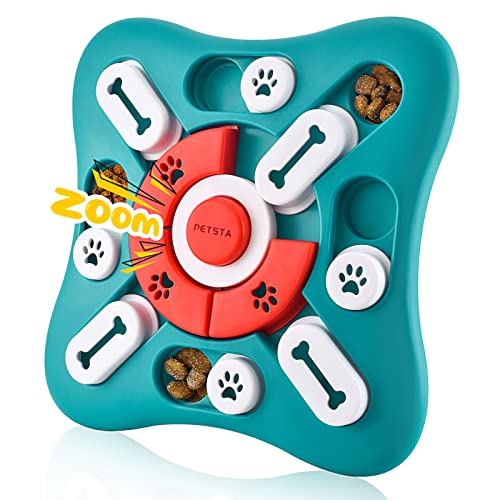
Dogs, like people, have different ways of coping with stress. Some pace, some bark, and some hump. If your dog starts humping after a loud noise, a visit from guests, or a trip to the vet, it is likely a displacement behavior. They are trying to release nervous energy. This is especially common in high-drive breeds that need a job to do. An Australian Shepherd, for example, is a working dog bred for long days of herding. If they do not get enough mental stimulation, that pent-up energy can come out in unexpected ways, including humping. Providing structured activities like puzzle toys for Australian Shepherds can help redirect that focus into something constructive.
Humping is not just a male dog behavior. Female dogs hump just as often, especially during play or when they are feeling particularly excited or dominant. It is a normal part of canine social behavior for both sexes.
3. Medical Reasons You Should Not Ignore
While humping is often behavioral, it can sometimes point to a medical issue. Urinary tract infections, skin allergies, or irritation in the genital area can cause a dog to hump as a way to relieve discomfort. If your dog is humping more frequently, seems obsessive about it, or has other symptoms like licking their genitals, straining to urinate, or redness, it is worth a trip to the vet. Also, unneutered male dogs are more likely to hump due to hormones, but neutering does not always stop the behavior if it has become a habit. Always rule out physical causes before focusing solely on training.
4. How to Redirect the Behavior Gently
The most effective way to stop humping is not to yell or punish, but to interrupt and redirect. When you see your dog starting to hump, calmly say their name or make a gentle noise to break their focus. Then ask them to perform a simple command they know well, like “sit” or “down.” Reward them immediately with a treat or praise. This teaches them that doing something else is more rewarding than humping. For dogs that hump out of overexcitement, teaching a solid “settle” or “place” command on a mat can be a game changer. If your dog tends to hump during play with other dogs, watch for signs that the other dog is uncomfortable. A quick interruption can prevent the situation from escalating into a scuffle.
“Humping is often just your dog’s way of saying ‘I have too much energy and I do not know what to do with it.’ Give them a better outlet and the behavior usually fades.”
5. When to Seek Professional Help
If your dog is humping obsessively, to the point where it interferes with daily life or causes issues with other pets, it may be time to consult a certified dog trainer or a veterinary behaviorist. This is especially true if the behavior is accompanied by other signs of anxiety, such as destructive chewing, excessive barking, or pacing. A professional can help you create a tailored plan that addresses the root cause. For some dogs, increasing physical exercise is key. For others, it is about mental enrichment. Feeding a balanced diet that supports brain health can also play a role. For large breed dogs like the Cane Corso, proper nutrition is critical for overall well-being, which is why many owners look into the 5 Best Dog Foods for Cane Corsos: High-Protein Picks to ensure their dog has the right fuel for a calm and balanced life.
6. Practical Tips for Everyday Management
Beyond training and medical checks, there are simple things you can do to reduce opportunities for humping. If your dog has a favorite pillow or stuffed toy they constantly target, remove it temporarily. Keep your dog on a leash when greeting new people so you can interrupt the behavior before it starts. Make sure your dog gets plenty of structured exercise and mental stimulation every day. A tired dog is a well-behaved dog. If your dog is a high-energy breed like an Australian Shepherd, consider using slow feed dog bowls for Australian Shepherds to turn mealtime into a mini brain game. And remember, patience is key. Humping is a natural behavior that can take time to unlearn. Stay consistent, stay calm, and you will see progress.