Finding a wet spot under your rabbit’s chin or dampness on their front paws can be alarming. You might think they are just thirsty or excited, but in rabbits, drooling is rarely normal. It is almost always a red flag for dental problems. Rabbits are stoic animals, they hide pain well, and drooling is often the first clear clue something is wrong inside their mouth. Let’s talk about what this means, why it happens, and what you can do to help your bunny feel better.
Why Drooling Points to Tooth Problems
Rabbits have open-rooted teeth that grow continuously throughout their lives. In a healthy rabbit, chewing hay and grass wears these teeth down evenly. But when the teeth become misaligned (a condition called malocclusion) or develop sharp points and spurs, the rabbit cannot close their mouth properly. This makes swallowing saliva difficult, so it drips out. The medical term for drooling in rabbits is "ptyalism," and in nearly every case, it traces back to dental pain or deformity. If you notice a wet chin, do not wait to see if it goes away. Schedule a vet visit promptly.
Other Signs of Dental Pain to Watch For
Drooling rarely happens alone. Look for these companion symptoms that confirm tooth trouble:
- Reduced appetite or picking at food: Your bunny may approach their bowl but then turn away.
- Favoring one side while eating: They might tilt their head or chew slowly.
- Weight loss: Over time, eating less leads to a thinner rabbit.
- Teeth grinding: A soft, grinding sound (not the loud purring one) indicates pain.
- Runny eyes or nose: Dental roots are close to tear ducts and sinuses.
- Bad breath: An infected tooth or abscess can cause a foul smell.
If your rabbit is drooling and also seems lethargic or has stopped eating entirely, that is an emergency. Offer them their favorite hay and a comfortable, quiet space with a cozy hideout to reduce stress while you arrange a vet visit.
Rabbits cannot vomit, so drooling is never from an upset stomach. If you see drool, think teeth first, not tummy.
What Causes Rabbit Dental Disease?
Several factors contribute to tooth problems that lead to drooling. The most common cause is a diet too low in fiber. Rabbits need unlimited grass hay (timothy, orchard, or meadow hay) to keep their molars worn down. Pellets and sugary treats do not provide the abrasive action hay does. Genetics also play a role, especially in dwarf and lop-eared breeds, who often have shorter jaws that crowd teeth. Trauma from a fall or chewing on cage bars can also knock teeth out of alignment. Finally, calcium imbalances can affect tooth root health. A balanced diet with plenty of hay is your best prevention.
How a Vet Diagnoses and Treats Drooling
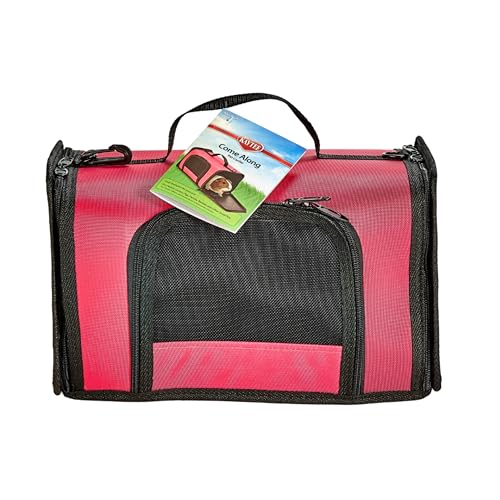
Do not try to look inside your rabbit’s mouth yourself. Rabbits have a narrow oral cavity, and you can easily injure them or get bitten. A rabbit-savvy vet will perform a thorough oral exam, often under sedation. They may use an otoscope or a special mouth gag to see the back molars. X-rays are common to check tooth roots and jawbone health. Treatment depends on the severity. Mild spurs can be filed down (burring). Severely elongated roots or abscesses may require tooth extraction. Your vet will also prescribe pain medication and possibly antibiotics. After treatment, your rabbit will need a soft, easy-to-eat diet for a few days. A low-stress carrier makes the trip to the vet easier on both of you.
“A wet chin is your rabbit’s way of saying ‘my mouth hurts.’ Listen to it.”
How to Help Your Rabbit Recover at Home
After your vet addresses the immediate dental issue, your job is to support healing and prevent recurrence. Offer a variety of soft greens like cilantro, romaine, and parsley. Soak their pellets in warm water to make a mash. Continue offering unlimited hay, but you can also provide chopped hay or hay cubes. Keep their environment calm and clean. A spacious exercise pen with soft bedding encourages gentle movement and exploration without stress. Monitor their chin daily for any return of wetness. If drooling resumes, a follow-up vet visit is needed because dental disease can be chronic.
Preventing Future Dental Issues
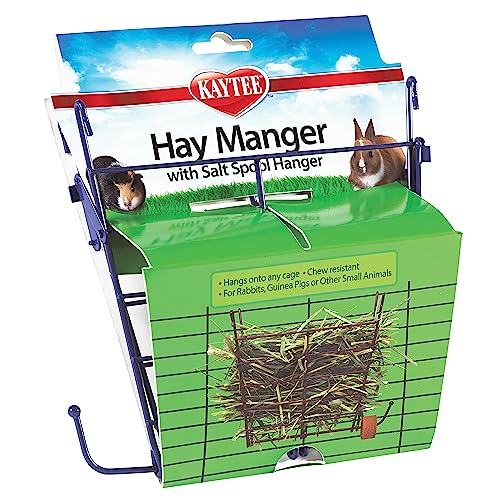
Prevention is everything. The single most important thing you can do is feed unlimited grass hay every single day. Hay should make up at least 80% of your rabbit’s diet. Provide safe, abrasive chew items like apple branches, willow sticks, and untreated pine cones. A good set of chew toys encourages natural gnawing that helps wear teeth evenly. Avoid high-calcium vegetables like spinach and kale in large amounts, as they can contribute to dental root issues. Schedule a wellness check with a rabbit vet at least once a year, even if your bunny seems fine. Early detection of small spurs can prevent painful drooling down the road.
If your rabbit is drooling and has stopped eating or passing stool for more than 12 hours, this is a life-threatening emergency. Gastrointestinal stasis can set in quickly. Call your vet or an emergency animal hospital right away.