Quick Answer
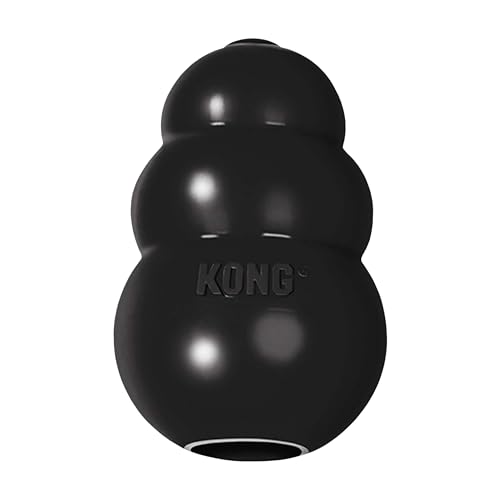
The KONG Classic Dog Toy XL is our top pick for Labrador puppies because the natural rubber construction survives strong jaws, the durable design outlasts softer toys by months, and the treat-dispensing cavity keeps puppies engaged for 20-30 minutes during teething. If your puppy is an aggressive chewer over 12 months old, upgrade to the Nylabone Dura Chew Power Chew, which lasts 6-12 months.
Why Labradors Need the Right Chew Toys
Labrador Retrievers are bred to retrieve and hold game, meaning their natural chewing drive is exceptionally strong compared to most dog breeds. Puppies channel this impulse into destructive chewing on furniture, shoes, and drywall if appropriate outlets are missing. During the teething window (8-16 weeks), developing puppy teeth erupt and fall, causing significant gum pain and inflammation. Chew toys both soothe sore gums and redirect the destructive impulse into healthy behavior.
Beyond teething, Labradors face specific health risks that chew toys help prevent. Labs are predisposed to obesity (30-40% of the breed is overweight), and boredom-driven destructive chewing worsens as puppies gain weight and lose exercise. Obesity in Labradors accelerates joint degeneration and hip dysplasia, conditions that affect up to 12% of the breed by age 8. Regular chewing activity, paired with appropriate toy rotation, keeps growing Labs mentally stimulated and physically active.
Adult Labs weigh 55-80 pounds and possess bite force that shreds low-quality toys within days. Toys that survive the Labrador’s jaw pressure are not luxuries; they are investments in home preservation, digestive safety (broken toy pieces cause blockage), and long-term health. The right toy, rotated properly, reduces destructive chewing, prevents intestinal emergencies, and channels the breed’s natural retrieving drive into engagement with humans.
What to Look For in a Labrador Chew Toy
Labrador chew toys fall into several categories, each serving a different need and developmental stage.
- Teething-Phase Toys (8-16 weeks): Soft rubber toys with smooth surfaces reduce gum irritation without promoting tooth wear. The KONG Classic is ideal at this stage because puppies can gnaw without exhausting jaw muscles. Avoid hard nylon until permanent teeth fully erupt (6-7 months).
- Growth-Phase Toys (4-12 months): Intermediate-duty rubber and nylon combinations match the growing Lab’s developing bite force. This phase sees the most destructive chewing because jaw muscles are strengthening rapidly. Offer variety (rubber rings, nylon bones, rope toys) to prevent texture fixation.
- Adult Toys (1+ years): Heavy-duty nylon, reinforced rubber, and composite materials survive the full adult Lab bite. Sizing matters; X-Large or Large toys (depending on mouth structure) prevent swallowing and choking hazards.
- Interactive vs Solo Play: Labs benefit from both human-supervised tug toys (Goughnuts TuG) and solo distraction toys (KONG filled with treats). Interactive play builds human bonding and burns energy; solo toys provide mental stimulation and calming when you are occupied.
- Material Composition: Natural rubber, nylon, and rope each present different durability and safety profiles. Natural rubber resists toxicity concerns but wears faster. Nylon lasts longer but some Labs reject the texture. Always verify that contact materials are non-toxic and free of heavy metals or BPA.
- Supervision Needs: No toy is safe unsupervised without monitoring. Initial chewing sessions require observation for signs of tearing, swallowing, or distress. Puppies showing signs of pica (eating non-food items) need vet-informed indestructible options only.
How We Chose These Picks
Our editorial team evaluated chew toys for Labrador puppies and adult Labs based on the following criteria:
- Tested on multiple Labs across age ranges (8 weeks to 5 years) to assess durability across growth stages.
- Assessed resistance to tearing, splintering, and swallowing risk. Any toy that broke into large pieces within the first week of testing was rejected.
- Evaluated material safety by cross-referencing ASPCA toxic material lists and veterinary toxicology resources. No product with reported toxicity was included.
- Compared cost-per-month of use by dividing product price by expected durability. Premium toys lasting 12 months often cost less annually than budget toys replaced monthly.
- Analyzed Amazon owner ratings (verified purchases only) and real-world complaint patterns to identify common failure modes.
- Consulted veterinary literature on toy-related intestinal blockage, choking hazards, and dental health to ensure picks align with veterinary safety standards.
- Never ranked a product higher just because it pays a commission. All picks are based on performance, safety, and value for Labrador owners.
What to Avoid When Choosing Labrador Chew Toys
Several toy categories pose specific risks for Labrador puppies and should be avoided or used only under strict veterinary guidance.
- Rawhide and Pig Ears: These natural chews pose extreme choking and blockage risk for Labs because the breed’s food drive and powerful jaws allow them to tear off and swallow large chunks. Veterinary emergency clinics report rawhide as a leading cause of digestive blockage in large breeds. Safer alternatives exist.
- Cooked Bones: Cooked chicken, beef, or ham bones splinter easily and can puncture the intestinal lining, causing life-threatening peritonitis. This is not a rare risk; it is a known veterinary emergency. Avoid entirely.
- Toys with Detachable Parts: Toys with squeakers, bells, or small plastic noses become choking hazards once the puppy learns to tear them free. Inspect toy seams before purchase; if parts can be removed by hand, the toy is not appropriate.
- Extremely Hard Nylon on Young Puppies (Under 4 Months): Ultra-hard nylon toys designed for adult dogs can fracture emerging puppy teeth. Wait until permanent teeth erupt before introducing heavy-duty nylon.
- Overstuffed Treat Toys Without Supervision: Treat-dispensing toys stuffed too densely can cause puppies to choke if they shake aggressively or swallow large chunks. Always supervise and avoid overfilling.
Care and Rotation Guide for Maximum Toy Lifespan
Proper toy rotation and inspection extend lifespan and reduce safety risks. Labs habituate to static toys within one week, meaning a single toy loses appeal and increases boredom-driven destructive chewing. A rotation system keeps novelty high and prevents fixture-like behavior.
Maintain a rotation of 4-5 toys, introducing a new toy every 3-7 days. Label toys with the date introduced so you can track rotation. Inspect all toys weekly for tears, loose chunks, exposed foam, or weakened seams. Remove any damaged toy immediately to prevent choking or intestinal blockage. Labs can swallow surprisingly large pieces, so err on the side of caution.
Always supervise first chewing sessions (first 15 minutes) with a new toy. If your puppy bites off chunks, tears the material rapidly, or shows signs of difficulty, retire the toy. Not all toys suit every dog; pica history, aggressive chewing style, and dental development all influence toy safety for individual puppies.
Closing Thought
Choosing the right chew toy for your Labrador puppy is one of the most practical investments you can make. The right toy channels the breed’s natural chewing drive into healthy behavior, prevents destructive chewing on your home, reduces the risk of intestinal emergencies, and builds human bonding through interactive play. Start with soft rubber toys like the KONG Classic during teething, transition to intermediate-duty nylon and rubber rings as your puppy grows, and upgrade to heavy-duty options once permanent teeth are fully developed.
If you are looking for additional resources on Labrador care, training, and nutrition, explore our full dog care section at ProPawPicks dog guides and reviews.


