Quick answer
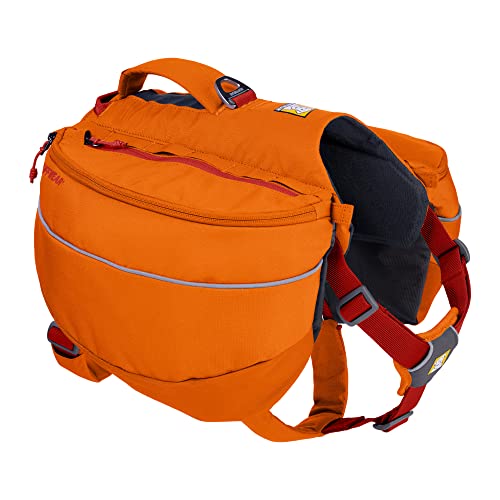
The Ruffwear Approach Pack is our top pick for Labradors thanks to its balanced saddlebag design and padded harness base. It fits deep-chested dogs well and offers ample storage for long hikes. For budget-conscious owners, the OneTigris Dog Backpack provides solid durability at a lower price, though it lacks some padding.
What to consider for Dog Backpack For Labradors
Labradors are energetic, sturdy dogs with a broad chest and thick neck. A backpack must accommodate their unique proportions without restricting movement. Look for adjustable straps around the chest and belly to ensure a snug fit. The pack should sit behind the shoulders to avoid interfering with natural gait. Weight distribution is crucial: the pack should carry gear evenly on both sides to prevent strain. Also consider the climate; Labradors can overheat, so breathable materials and mesh lining help. Finally, check the weight limit: a Labrador can safely carry up to 10-15% of its body weight, so choose a pack with appropriate capacity.
What to look for in a dog backpack
When choosing a backpack for your Labrador, prioritize correct fit and sizing. Measure your dog’s girth and neck circumference, and follow the manufacturer’s sizing chart. Durable hardware and materials are essential; look for reinforced stitching, YKK zippers, and strong buckles that can withstand pulling. Safety features include reflective trim for visibility, a handle for control, and a design that prevents escape (no gaps at the chest or belly). Comfort and padding are vital: a padded chest plate and belly band prevent chafing, and a breathable mesh lining helps regulate temperature. A no-pull design is not always necessary, but a front clip option can help manage pulling during walks.
How we chose these picks
- Evaluated fit for deep-chested breeds like Labradors using manufacturer sizing guides and customer fit reports.
- Assessed durability of materials, stitching, and hardware based on product specifications and long-term reviews.
- Considered comfort features such as padding, breathability, and adjustability.
- Checked weight capacity and storage volume to ensure practicality for day hikes.
- Prioritized safety features like reflective elements and secure closures.
- Included options across price points to suit different budgets.
- Never ranked a product higher just because it pays a commission.
What to avoid
- Ill-fitting sizes: a backpack that is too loose can shift and cause discomfort, while one that is too tight restricts movement.
- Flimsy clips that fail on strong dogs: look for metal or heavy-duty plastic buckles.
- Aversive tools used without professional guidance: backpacks are not training tools for behavior modification.
- Retractable leashes near traffic: they offer less control, especially with a loaded backpack.
For more guidance, explore our dog guides, dog care products, and dog health resources.