Quick answer
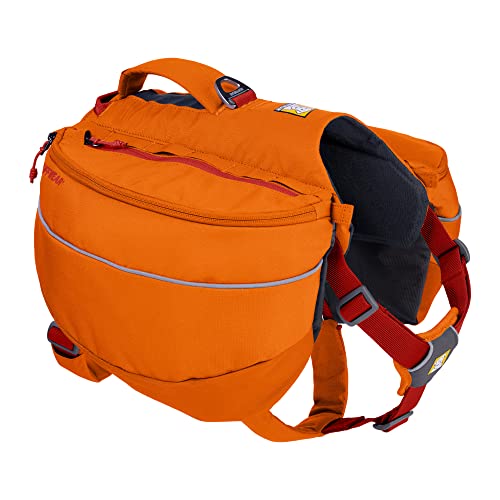
Our top pick is the Ruffwear Approach Pack for small dogs. It offers a balanced fit, durable construction, and two low-profile saddlebags that won’t throw off a small dog’s center of gravity. For budget-conscious owners, the Outward Hound DayPak is a solid alternative with a lighter build, though it lacks the same level of padding and stability.
What to consider for Dog Backpack For Small Dogs
When choosing a backpack for a small dog, weight distribution is critical. Small dogs have a lower center of gravity and less muscle mass, so the pack must sit close to the body and not sway. Look for packs with multiple adjustment points (chest and belly straps) to keep the load stable. Also consider the dog’s typical activity level: a short, low-intensity walk requires less support than a multi-hour hike. The pack’s capacity should match the dog’s size; overloading can cause strain. Finally, ensure the pack is made of breathable material to prevent overheating, as small dogs can overheat more easily.
What to look for in a gear item (harness, collar, leash or muzzle)
Correct fit and sizing: Measure your dog’s girth (around the chest behind the front legs) and neck. The pack should fit snugly but allow two fingers to slide under straps. Durable hardware and materials: Look for reinforced stitching, YKK zippers, and strong buckles (metal or high-grade plastic). Safety features: Reflective trim for visibility, escape-resistant design (no gaps where a dog can slip out), and no choke points. Comfort and padding: The pack should have soft, breathable padding on the back and straps to prevent chafing. No-pull design: A front chest clip can help discourage pulling, but the pack itself should not restrict movement.
How we chose these picks
- Evaluated weight distribution and stability for small dog anatomy.
- Assessed adjustability: multiple points for a custom fit.
- Checked material quality: durability, breathability, and weather resistance.
- Reviewed safety features: reflective elements, secure closures, and escape-proof design.
- Considered ease of use: how easy it is to put on and take off.
- Read verified customer feedback on sizing and real-world performance.
- Compared price versus value, focusing on long-term durability.
- Never ranked a product higher just because it pays a commission.
What to avoid
- Ill-fitting sizes: A pack that is too loose can shift and cause imbalance; too tight restricts breathing.
- Flimsy clips that fail on strong dogs: Avoid plastic buckles that feel brittle.
- Aversive tools used without professional guidance: Backpacks are not training tools for behavior correction.
- Retractable leashes near traffic: They can cause injury if the dog darts out; use a standard 4-6 foot leash.
For more help, check our dog guides and explore dog care products or dog health.