Quick answer
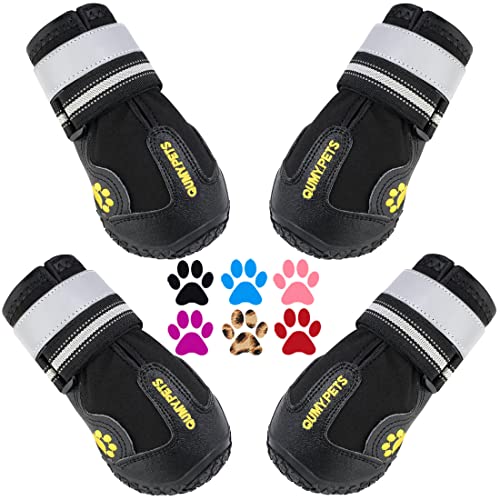
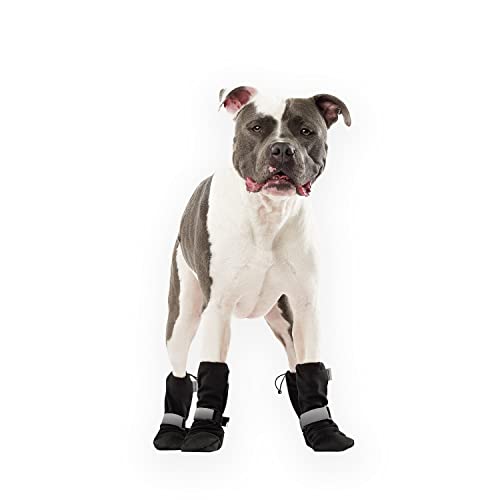
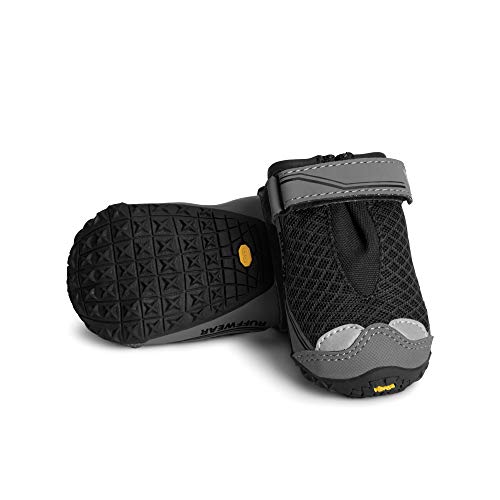
For most hiking dogs, the Ruffwear Grip Trex is our top pick due to its aggressive tread and secure fit. If your dog has wide paws, the Muttluks Fleece-Lined Boots offer a roomier fit, while the Ultra Paws Durable Dog Boots are a budget-friendly option for occasional hikes.
What to consider for Dog Boots For Hiking
When choosing dog boots for hiking, consider the terrain you’ll encounter. Rocky trails require boots with thick, lugged soles for traction and puncture protection. For hot pavement or desert hikes, look for heat-resistant materials like rubber or neoprene. In snowy conditions, waterproof and insulated boots prevent snowballs from forming between toes. Also, ensure the boots have a secure closure system (straps or Velcro) to prevent slipping off during active movement. Measure your dog’s paw width and length, as many boots are sized by weight but paw shape varies. Finally, break in the boots gradually with short walks to avoid chafing.
What to look for in a accessory (bowl, feeder, outdoor or feeding accessory)
For dog boots, the key function is paw protection without restricting movement. Look for durable materials like ballistic nylon or rubber that resist tears from sharp rocks. The sole should have deep treads for grip on loose or wet surfaces. A reflective strip enhances visibility in low light. Ensure the boot is easy to put on and take off, with a quick-release buckle or wide opening. The interior should be padded for comfort but not so thick that it overheats the paw. Check that the boot covers the dewclaw area if your dog has them. Finally, consider breathability: mesh panels help vent moisture during long hikes.
How we chose these picks
- Evaluated traction patterns on various surfaces (rock, mud, snow).
- Assessed closure security and ease of use for quick changes.
- Compared material durability based on user reports of wear after several hikes.
- Checked sizing accuracy and availability of half sizes for better fit.
- Considered price-to-value ratio, balancing cost with expected lifespan.
- Reviewed customer feedback on comfort and whether boots stayed on during running.
- Never ranked a product higher just because it pays a commission.
What to avoid
- Boots with thin fabric soles that offer no puncture protection on rocky trails.
- Overly tight boots that restrict circulation or cause blisters.
- Boots with small plastic buckles that can break or be chewed off.
- Non-breathable materials that trap moisture and cause fungal infections.
- Boots that are too heavy, which can tire your dog on long hikes.
For more gear recommendations, browse our dog guides, dog care products, and dog health sections.