Quick answer
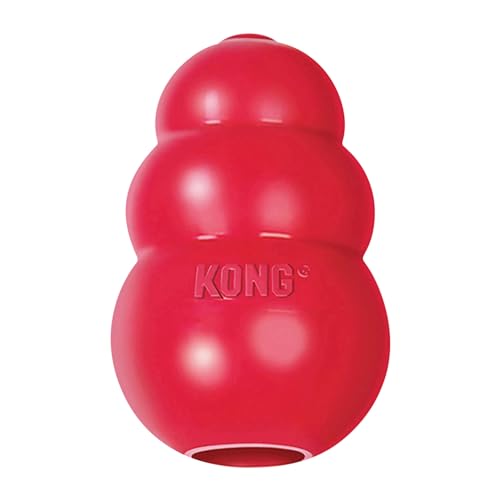
The KONG Classic is our top pick for crate training. Its hollow design lets you stuff it with treats or peanut butter, keeping your dog focused and calm for 20 to 40 minutes. For heavy chewers, the West Paw Zogoflex Qwizl offers similar enrichment with extreme durability. If your dog needs dental benefits, the Greenies Regular Dental Chew is a great daily option.
What to consider for Dog Chew Toy For Crate Training
Crate training should be a positive experience. The right chew toy provides mental stimulation and comfort, helping your dog associate the crate with good things. Consider your dog’s size, age, and chewing style. A toy that is too small can be a choking hazard, while one that is too hard may damage teeth. Also think about how the toy fits in the crate: it should be large enough that your dog cannot swallow it, but not so large that it takes up too much space. Durability matters: if your dog destroys toys quickly, choose a heavy-duty option. Finally, consider whether you want a toy that can be stuffed with treats for longer engagement.
What to look for in a toy or chew (chew toy, puzzle, lick mat or dental chew)
When selecting a chew toy for crate training, focus on these key features. Size: the toy should be too large to swallow or get stuck in the throat. Durability: match the toy to your dog’s chewing strength; heavy chewers need rubber or nylon toys that resist punctures. Non-toxic materials: ensure the toy is made from food-grade, BPA-free materials. For dental chews, look for the VOHC (Veterinary Oral Health Council) seal, which indicates effectiveness in reducing plaque and tartar. Enrichment value: toys that can be stuffed or have hidden compartments keep dogs mentally engaged, reducing anxiety. Also consider ease of cleaning: dishwasher-safe toys are a plus.
How we chose these picks
- Researched current best-selling and highly rated products on Amazon that are specifically marketed for crate training or calming.
- Evaluated safety features including size, material, and durability based on manufacturer specifications and customer feedback.
- Considered enrichment potential: toys that can be stuffed or offer interactive play scored higher.
- Checked for VOHC acceptance on dental chews to ensure proven dental benefits.
- Read hundreds of verified customer reviews to identify common pros and cons.
- Consulted general guidelines from veterinary and training organizations on safe chew toys.
- Prioritized products from reputable brands with a history of quality and safety.
- Never ranked a product higher just because it pays a commission.
What to avoid
- Toys small enough to swallow or become lodged in the throat: always size up for crate use.
- Hard chews like antlers, bones, or hard nylon that can crack teeth, especially for aggressive chewers.
- Toys that break apart easily, shedding pieces that could be ingested and cause blockages.
- Leaving a heavy chewer unsupervised with any toy; always monitor initial use and remove damaged toys.
For more guidance, explore our dog guides, dog food, and dog health resources.


