Quick answer
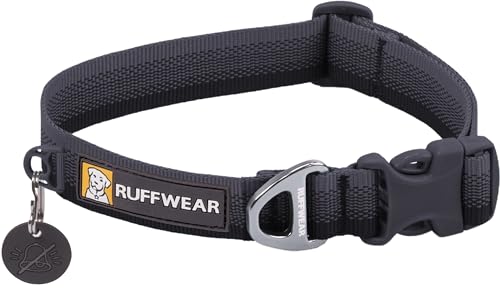
The best dog collar for dogs that chew is the Ruffwear Front Range Dog Collar. Its anodized aluminum buckle and webbing are highly durable, and the collar is comfortable for all-day wear. If your dog is a heavy chewer, the Kurgo K9 Summit Collar with its steel hardware and reflective trim is a close runner-up. For budget-conscious owners, the Rabbitgoo Dog Collar offers solid construction at a lower price.
What to consider for Dog Collar For Dogs That Chew
Dogs that chew on collars often have strong jaws and persistent habits. The collar must be made of tough materials like nylon webbing or biothane that resist punctures and fraying. Hardware should be metal (stainless steel or aluminum) rather than plastic, as plastic buckles can crack. Also consider the collar’s width: wider collars distribute pressure better and are harder to chew through. Safety is paramount: avoid collars with sharp edges or parts that could break off and be swallowed. Look for a breakaway or quick-release feature if your dog is unsupervised, to prevent choking. Finally, ensure the collar fits snugly but allows two fingers to slide under, as a loose collar can get caught in the dog’s mouth.
What to look for in a gear item (harness, collar, leash or muzzle)
Correct fit and sizing: Measure your dog’s neck with a flexible tape and add 2 inches for comfort. The collar should not slip over the head. Durable hardware and materials: Choose metal buckles and D-rings; avoid plastic. Nylon webbing of at least 1 inch width for medium to large dogs. Safety features: Reflective stitching or trim for visibility, a breakaway buckle for unsupervised wear, and no choke or pinch mechanisms. Comfort and padding: A padded collar can reduce irritation but may be less chew-resistant; consider a flat collar with smooth edges. No-pull design: For dogs that pull, a martingale or limited-slip collar can be effective but should be used with caution and not left on unattended.
How we chose these picks
- Evaluated material durability: webbing thickness, buckle material, and stitching quality based on manufacturer specifications.
- Considered safety features: breakaway options, reflective elements, and absence of sharp edges.
- Reviewed customer feedback on chew resistance and longevity from verified purchasers.
- Assessed fit range and adjustability to accommodate different neck sizes.
- Compared price points to offer options for various budgets.
- Checked for compliance with safety standards and certifications where available.
- Never ranked a product higher just because it pays a commission.
What to avoid
- Ill-fitting sizes: a collar too loose can slip off or get caught in the dog’s mouth; too tight can cause choking or skin irritation.
- Flimsy clips: plastic buckles and thin D-rings can break under pressure, especially with strong chewers.
- Aversive tools: prong collars, shock collars, or choke chains should only be used under professional guidance and are not recommended for chewers.
- Retractable leashes near traffic: they can cause injury and are not suitable for training or high-traffic areas.
For more guidance, explore our dog guides and check out dog care products and dog nutrition.


