Quick answer
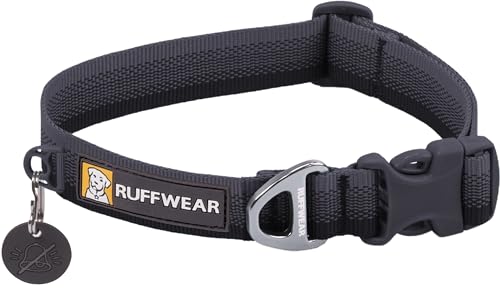
The best dog collar for dogs with neck issues is the Ruffwear Front Range Dog Collar, thanks to its padded, non-choke design and secure buckle. For dogs that pull, the PetSafe Gentle Leader Head Collar offers better control without neck strain. Budget-conscious owners can consider the Rabbitgoo No-Pull Dog Harness, which distributes pressure across the chest.
What to consider for Dog Collar For Dogs With Neck Issues
Dogs with neck issues such as intervertebral disc disease, tracheal collapse, or cervical pain require collars that minimize pressure on the neck. A standard collar can exacerbate these conditions by compressing the throat or spine. Consider a harness that clips at the chest or back, or a martingale collar designed to prevent escape without choking. Ensure the collar is properly fitted: you should be able to slip two fingers between the collar and the dog’s neck. Avoid collars that are too tight or too loose. Materials like neoprene or padded nylon can provide extra comfort. Also, consider the dog’s pulling tendency; a front-clip harness can help redirect without neck force.
What to look for in a gear item (harness, collar, leash or muzzle)
Correct fit and sizing are crucial: measure the dog’s neck and chest circumference and follow the manufacturer’s sizing chart. Durable hardware and materials: look for rust-resistant buckles and strong D-rings. Safety features include escape-resistant design (e.g., martingale loop), no-choke construction, and reflective stitching for visibility. Comfort and padding: a padded collar or harness reduces pressure points. No-pull design: front-clip harnesses discourage pulling without causing discomfort. For dogs with neck issues, avoid collars that put pressure on the throat; opt for a harness that distributes force across the chest and back.
How we chose these picks
- Evaluated product specifications for neck-friendly design features.
- Reviewed customer feedback on fit, comfort, and durability.
- Considered safety certifications and materials used.
- Compared price points to offer options for various budgets.
- Selected products from reputable brands known for quality.
- Focused on collars and harnesses that minimize neck pressure.
- Ensured picks cover different sizes and life stages.
- Never ranked a product higher just because it pays a commission.
What to avoid
- Ill-fitting sizes: a collar that is too tight can cause injury, while too loose may slip off.
- Flimsy clips that fail on strong dogs: choose metal or heavy-duty plastic buckles.
- Aversive tools like choke chains or prong collars used without professional guidance; these can worsen neck issues.
- Retractable leashes near traffic: they offer less control and can cause sudden jerks.
For more helpful guides, visit our dog guides and check out dog health and dog care products sections.


