Quick answer
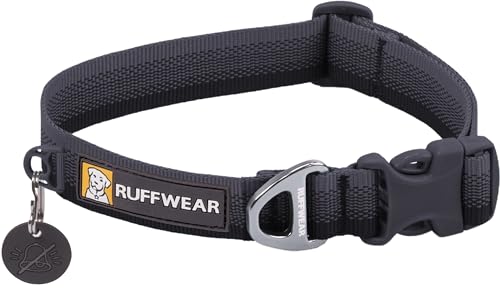
For most medium dogs, the Ruffwear Front Range Dog Collar is our top pick. It offers a comfortable padded design, reflective trim for visibility, and a sturdy buckle that holds up to daily wear. If you need a budget-friendly option, the PetSafe Nylon Collar is a solid choice. For training, the Blue-9 Multi-Sport Collar provides versatility.
What to consider for Dog Collar For Medium Dogs
Medium dogs, typically weighing 20 to 60 pounds, have neck sizes ranging from 12 to 20 inches. Their activity level varies from casual walks to active hikes, so the collar must withstand moderate pulling without causing discomfort. Consider your dog’s coat type: short-haired breeds may need a padded collar to prevent chafing, while long-haired dogs benefit from a rolled collar to avoid matting. Also, think about whether you’ll use the collar for ID tags only or for leash walking, as that affects hardware strength.
What to look for in a gear item (harness, collar, leash or muzzle)
When choosing a collar for your medium dog, focus on these key features:
- Correct fit and sizing: Measure your dog’s neck snugly and allow two fingers of space. Most collars have adjustable ranges; ensure the size matches your dog’s measurements.
- Durable hardware and materials: Look for solid metal D-rings and buckles (stainless steel or zinc alloy) and strong nylon or leather webbing that resists fraying.
- Safety features: Reflective stitching or trim for low-light visibility, quick-release buckle for emergency removal, and breakaway options for unattended wear.
- Comfort and padding: Padded collars distribute pressure evenly, reducing neck strain. Neoprene or foam padding is ideal for dogs with sensitive skin.
- No-pull design: Martingale collars or front-clip harnesses are better for dogs that pull, but for standard collars, ensure the D-ring is centered to avoid twisting.
How we chose these picks
- Evaluated product specifications and materials for durability and safety.
- Reviewed customer feedback on fit, comfort, and longevity from verified purchasers.
- Considered brand reputation and adherence to safety standards.
- Compared price points to offer options for different budgets.
- Assessed ease of cleaning and maintenance.
- Checked for reflective or high-visibility features.
- Consulted professional dog trainer guidelines on collar types.
- Never ranked a product higher just because it pays a commission.
What to avoid
- Ill-fitting sizes: A collar that is too loose can slip off, while one that is too tight can cause choking or skin irritation. Always measure your dog’s neck before buying.
- Flimsy clips that fail on strong dogs: Plastic buckles or thin metal rings can break under pressure. Choose collars with heavy-duty hardware rated for your dog’s weight.
- Aversive tools used without professional guidance: Prong collars, shock collars, and choke chains can cause physical and behavioral harm. Use only under the supervision of a certified trainer.
- Retractable leashes near traffic: Retractable leashes can lead to accidents if the dog darts into the road. Use a standard 4 to 6 foot leash for walks in urban areas.
For more advice, explore our dog guides and check out dog care products and dog nutrition tips.


