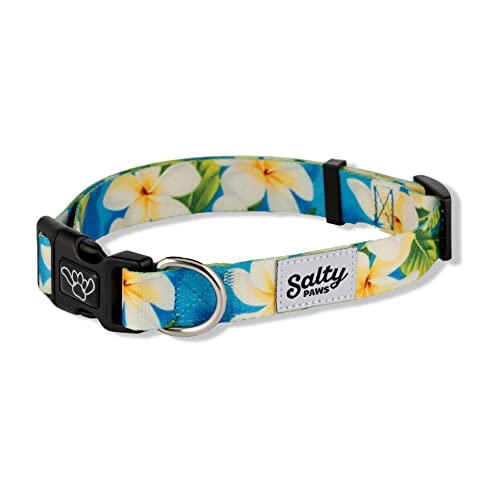
Quick answer
The Ruffwear Web Master Collar is our top pick for swimming thanks to its waterproof, quick-drying tubular webbing and secure side-release buckle. It floats, making it easy to spot in the water. For budget-conscious owners, the Kurgo Surf Dog Collar offers similar durability at a lower price, while the Rabbitgoo Marine Collar is ideal for dogs who need high visibility.
What to consider for Dog Collar For Swimming
When choosing a collar for swimming, prioritize materials that resist water damage and dry quickly. Nylon webbing is common, but some collars use neoprene or coated polyester to prevent water absorption. Look for rustproof hardware, such as stainless steel or brass D-rings, to avoid corrosion. A floating collar can be a lifesaver if your dog dives underwater. Also consider reflective elements for visibility in low light and a secure buckle that won’t accidentally release during active swimming.
What to look for in a gear item (harness, collar, leash or muzzle)
Correct fit and sizing are critical: measure your dog’s neck snugly and allow two fingers of space. Durable hardware, like welded D-rings and heavy-duty buckles, prevents breakage. Safety features include breakaway buckles for emergencies or reflective stitching for low-light visibility. Comfort and padding matter for dogs that wear collars for extended periods. For swimming, a no-pull design is less relevant, but a martingale loop can prevent slipping off if your dog has a narrow head.
How we chose these picks
- Evaluated water resistance and drying time of materials
- Checked hardware for rust-proof claims (stainless steel or brass)
- Assessed buckle security and ease of use
- Considered visibility features like reflective strips or bright colors
- Read verified buyer reviews for real-world durability
- Compared price points to ensure value
- Ensured sizing options cover small to large breeds
- Never ranked a product higher just because it pays a commission
What to avoid
- Ill-fitting sizes that can slip off in water or cause chafing
- Flimsy plastic clips that may fail on strong swimmers
- Aversive tools like prong collars used without professional guidance
- Retractable leashes near traffic or open water
For more tips, visit our dog guides, dog health, and dog care products sections.