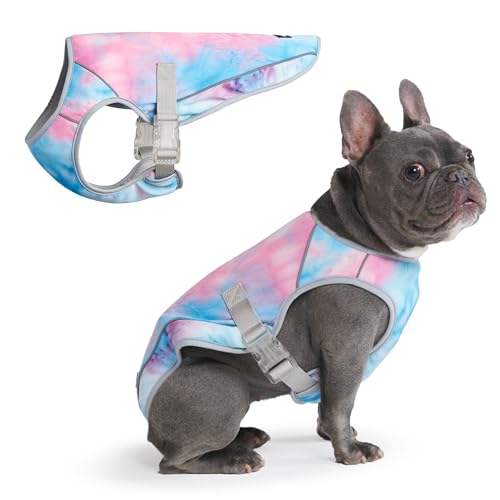
Quick answer
Our top pick for most dogs is the Ruffwear Swamp Cooler Dog Cooling Vest. It uses evaporative cooling and stays wet for hours, with a secure harness-compatible design. For dogs that need extra cooling power, the Kurgo Core Cooling Dog Vest with ice packs is a strong alternative. Budget-conscious hikers should consider the Chai’s Choice Cooling Vest, which offers good performance at a lower price.
What to consider for Dog Cooling Vest For Hiking
When hiking with your dog in hot weather, a cooling vest can help prevent overheating. The key is choosing a vest that provides sustained cooling without restricting movement or causing chafing. Evaporative vests work by soaking in water and using the breeze to cool; they are lightweight but require re-wetting. Ice pack vests offer longer-lasting cooling but add weight. Fit is critical: the vest should be snug but not tight, with no rubbing under the legs or around the neck. Look for reflective trim for visibility and a leash attachment point if you plan to use a harness underneath. Consider your dog’s coat type and activity level; double-coated dogs may benefit more from ice pack vests, while short-haired dogs may do well with evaporative models.
What to look for in a gear item (harness, collar, leash or muzzle)
For a cooling vest, the main considerations are fit, material, and safety. Correct fit: measure your dog’s chest girth and length, and follow the manufacturer’s sizing chart. The vest should not restrict breathing or movement. Durable hardware: look for rust-resistant buckles and strong stitching. Safety features: reflective strips for low-light visibility, and a D-ring for leash attachment if you’re not using a separate harness. Comfort and padding: soft, moisture-wicking lining prevents chafing. No-pull design: some vests have a front clip to discourage pulling, but cooling vests primarily focus on temperature regulation. Ensure the vest does not interfere with your dog’s natural gait.
How we chose these picks
- Evaluated cooling technology (evaporative vs ice pack) for effectiveness on hikes.
- Assessed fit and sizing accuracy based on manufacturer guidelines and customer feedback.
- Checked durability of materials and hardware for rugged trail use.
- Considered safety features like reflectivity and leash attachment points.
- Compared price to value, ensuring each pick offers solid performance for its cost.
- Read verified buyer reviews to identify common pros and cons.
- Consulted general canine heat safety guidelines from veterinary sources.
- Never ranked a product higher just because it pays a commission.
What to avoid
- Ill-fitting sizes: a vest that is too loose can slip off or cause chafing; too tight restricts breathing.
- Flimsy clips or plastic buckles that may break on a strong dog or during rugged hikes.
- Aversive tools like shock collars or prong collars used without professional guidance; they can cause fear and aggression.
- Retractable leashes near traffic or on trails; they offer poor control and can cause injury.
For more tips, check out our dog guides and related content on dog health and dog care products.