Quick answer
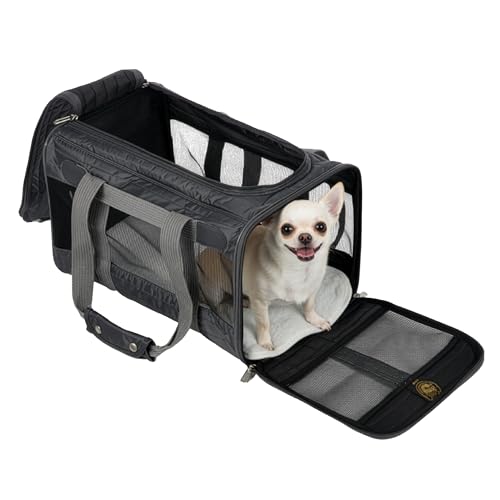
The Gunner G1 Intermediate Crate is our top pick for escape artists due to its aircraft-grade aluminum construction, heavy-duty latches, and crash-tested safety. It is nearly impossible for a dog to bend or open. For a more budget-friendly option, the MidWest Homes iCrate Fold & Carry with double-door locks and reinforced corners offers excellent security at a lower price. If you need a carrier for car travel, the Sleepypod Atom combines crash-tested design with escape-resistant zippers.
What to consider for Dog Crate For Escape Artists
Escape artist dogs are often intelligent, anxious, or determined. Look for crates with reinforced latches, welded seams, and materials that resist bending or chewing. Avoid crates with plastic clips or flimsy doors. The crate should be well-ventilated and sized so the dog can stand, turn, and lie down comfortably. For car travel, crash-tested models like Gunner or Sleepypod provide added safety. Consider the dog’s size and strength: a large, powerful breed may require a heavy-duty crate like the Gunner, while a smaller dog might be contained by a sturdy soft-sided carrier with lockable zippers.
What to look for in a travel or containment product (crate, carrier, gate or car seat)
When choosing a travel or containment product for an escape artist, prioritize secure construction. Look for metal crates with strong welds and double-door latches. For carriers, check that zippers can be locked with a small padlock or have reinforced loops. Ventilation is crucial: multiple windows or mesh panels ensure airflow. Crash-tested products (e.g., Center for Pet Safety certified) offer peace of mind in vehicles. Easy cleaning is important; removable trays or washable liners help. Portability matters if you travel frequently; foldable crates or lightweight carriers are convenient. Avoid products with large gaps or weak joints that a dog could exploit.
How we chose these picks
- Evaluated security features: latch type, material strength, and escape-proof design.
- Considered crash test certifications from the Center for Pet Safety.
- Reviewed customer feedback for durability and real-world escape attempts.
- Assessed size range to accommodate different breeds.
- Compared price points for budget-conscious buyers.
- Checked airline approval for travel-friendly options.
- Prioritized products with good ventilation and ease of cleaning.
- Never ranked a product higher just because it pays a commission.
What to avoid
- A crate or carrier too small for the dog to stand, turn, and lie down.
- Unsecured carriers in a moving car; always use seat belts or tie-downs.
- Flimsy gates that a determined dog can push through or climb.
- Over-long crating without breaks; dogs should not be crated more than 4 to 6 hours at a time.
For more guidance, check our dog guides and explore dog care products or dog health resources.