Quick answer
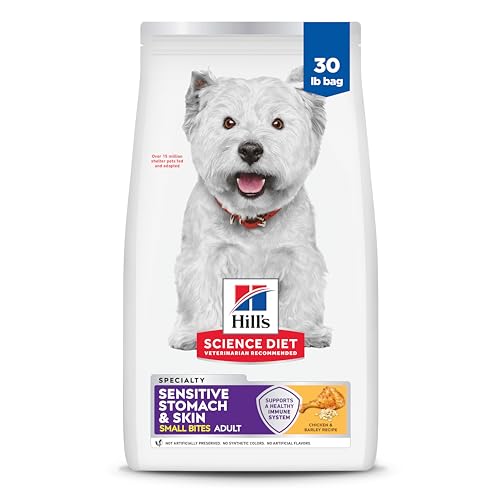
Our top pick for beach trips is Purina Pro Plan High Protein Shredded Blend Salmon & Rice because it offers balanced nutrition, easy-to-pack kibble, and omega fatty acids for skin and coat health. For dogs with sensitive stomachs, Hill’s Science Diet Sensitive Stomach & Skin is a reliable alternative. If you’re on a budget, Diamond Naturals Extreme Athlete provides high-quality protein at a lower price point.
What to consider for Dog Food For Beach Trips
Beach trips mean your dog will be active, possibly swimming, and exposed to sun, sand, and salt. You need a food that is easy to transport, doesn’t spoil quickly, and provides sustained energy. Kibble is generally more convenient than wet food for travel. Look for recipes with higher fat and protein to fuel activity, plus omega-3 and omega-6 fatty acids to support skin health against sun and salt. Avoid foods that are overly crumbly or greasy, as they can make a mess in your bag. Also consider portion control: pre-measured bags or a small container can help manage feeding on the go.
What to look for in a dog food
Choose a food that meets AAFCO nutrient profiles for your dog’s life stage (puppy, adult, or all life stages). The first ingredient should be a named meat source like chicken, salmon, or lamb. For active beach dogs, look for protein around 25 to 30 percent and fat around 15 to 20 percent on a dry matter basis. Calories should be appropriate for your dog’s size and activity level; typically 350 to 400 kcal per cup for active adult dogs. If your dog is a large breed, ensure the food supports joint health with glucosamine and chondroitin. Omega-3 fatty acids from fish oil or flaxseed help maintain a healthy coat and skin, which is important after exposure to salt and sun.
How we chose these picks
- We evaluated products based on ingredient quality and nutritional adequacy for active dogs.
- We prioritized foods with named meat as the first ingredient and avoided those with unnamed by-products.
- We considered portability and shelf stability for travel.
- We looked for added omega fatty acids to support skin and coat health.
- We included options for different budgets and dietary needs.
- We checked that each food meets AAFCO standards for the appropriate life stage.
- We considered brand reputation and manufacturing quality standards.
- Never ranked a product higher just because it pays a commission.
What to avoid
- Avoid foods where the primary protein source is an unnamed “meat meal” or “poultry meal” without specific species.
- Be cautious with grain-free diets unless your vet recommends them; the FDA is still investigating a potential link between grain-free, legume-heavy diets and canine dilated cardiomyopathy (DCM). Grain-inclusive recipes are generally a safer default.
- Do not feed an “all life stages” food to a large-breed puppy, as it may have improper calcium-to-phosphorus ratios.
- Avoid abrupt diet switches; transition over 5 to 7 days by mixing old and new food to prevent digestive upset, especially when traveling.
For more guidance, explore our dog guides, dog food reviews, and dog nutrition tips.