Quick answer
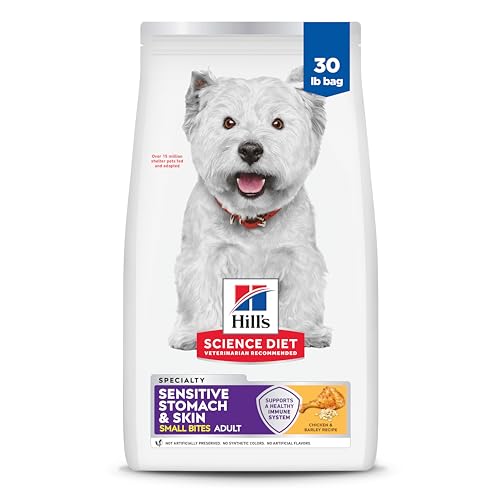
Our top pick for most dogs over 80 lbs is Purina Pro Plan Large Breed Adult Chicken & Rice Formula. It offers balanced nutrition with glucosamine for joint support and a calorie level suitable for maintaining a healthy weight. For dogs with sensitive stomachs, Hill’s Science Diet Large Breed Sensitive Stomach is a strong alternative. Budget-conscious owners can consider Diamond Naturals Large Breed Adult Lamb & Rice.
What to consider for Dog Food For Dogs Over 80 Lbs
Large and giant breeds have unique nutritional needs. They are prone to joint issues like hip dysplasia and arthritis, so a diet with adequate glucosamine and chondroitin is beneficial. Calorie density matters: too many calories can lead to obesity, which stresses joints. Large breed dogs also need controlled calcium and phosphorus levels to support proper bone development, especially for puppies. Additionally, kibble size and shape should be designed for larger jaws to encourage chewing and reduce gulping.
What to look for in a dog food
Look for a statement from AAFCO confirming the food is complete and balanced for the appropriate life stage (adult maintenance or all life stages). The first ingredient should be a named meat source like chicken, lamb, or fish. Protein content should be around 22 to 30 percent on a dry matter basis, with fat between 10 to 18 percent. Calorie density should be roughly 300 to 400 kcal per cup. For large breeds, ensure the formula is labeled for large or giant breeds, which often includes adjusted calcium and phosphorus levels. Joint-supporting ingredients like glucosamine and omega-3 fatty acids from fish oil are beneficial.
How we chose these picks
- Evaluated ingredient quality and named meat sources
- Checked for AAFCO nutritional adequacy statements
- Considered life stage and breed size appropriateness
- Reviewed guaranteed analysis for protein, fat, and fiber
- Assessed inclusion of joint-supporting nutrients
- Factored in brand reputation and manufacturing standards
- Compared price per pound for value
- Never ranked a product higher just because it pays a commission
What to avoid
- Avoid foods where the primary protein source is an unnamed “meat meal” or “poultry meal”
- Be cautious with grain-free or legume-heavy recipes; the FDA is still investigating a potential link to DCM, so grain-inclusive diets are a safer default unless your vet advises otherwise
- Do not feed an all-life-stages food to a large breed puppy, as it may have improper calcium levels
- Avoid abrupt diet switches; transition over 7 to 10 days to prevent digestive upset
For more guidance, explore our dog guides, dog food, and dog nutrition sections.