Quick answer
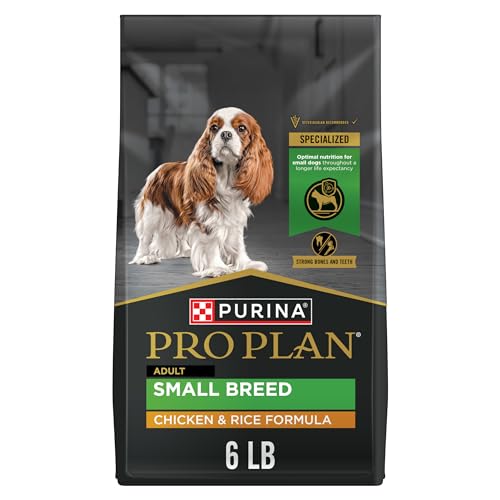
For most adult Jack Russell Terriers, our editorial team rates Royal Canin Small Adult Dry Dog Food as the best all-around pick because it is formulated as complete and balanced for small adult dogs, uses appropriately sized kibble, and carries a named meat among its primary ingredients. If your Jack Russell has a sensitive stomach, Hill’s Science Diet Sensitive Stomach and Skin Small and Mini fits better. On a tighter budget, Diamond Naturals Small Breed Adult Chicken and Rice delivers a named meat first at a lower price. For a puppy, choose Royal Canin Small Puppy, and for a grain-inclusive recipe with a named meat first, consider Purina Pro Plan Small Breed Chicken and Rice. Always confirm the right pick with your veterinarian, especially if your dog has a medical condition.
What to consider for Dog Food For Jack Russell
Jack Russell Terriers typically weigh about 13 to 17 pounds but burn energy like a much larger dog. They were bred to work, so they tend to be lean, muscular, and constantly active, which means a calorie-dense small breed formula usually suits them better than a low-energy maintenance food. Their small mouths and fast metabolism also matter: smaller kibble is easier to chew and small breeds can be prone to low blood sugar if meals are skipped, so consistent portioned feeding helps.
Because Jacks are food-motivated and prone to weight gain when under-exercised, portion control is the single biggest day to day factor. A few extra treats can add up quickly on a 15-pound frame. Dental crowding is also common in small breeds, so kibble shape and regular dental care are worth attention. These are general considerations and not medical advice, so talk to your veterinarian about your individual dog’s ideal weight and feeding plan.
What to look for in a dog food
Look for an AAFCO complete and balanced statement matched to the right life stage, either “adult maintenance” for grown dogs or “growth” for puppies. A named meat as the first ingredient (chicken, lamb, salmon, or beef rather than a vague “meat meal”) is a reasonable signal of protein quality. For an active adult small breed, protein in the roughly 25 to 30 percent range and fat around 14 to 18 percent on a dry-matter basis is a sensible target, though individual needs vary, so treat these as practical ranges and not absolute rules.
Calorie density matters for a small, busy dog: many small breed formulas run around 350 to 420 calories per cup, which lets you feed a satisfying small portion. Choose a small breed formula (smaller kibble, energy-dense) rather than a large breed recipe. Omega-3 and omega-6 fatty acids support skin and coat condition, and some small breed foods include glucosamine or chondroitin, which may support joint comfort, though you should ask your veterinarian before relying on any supplement for a medical issue.
How we chose these picks
- Confirmed each product is currently sold and from an established brand with a track record
- Required an AAFCO complete and balanced statement for the stated life stage
- Prioritized recipes with a named meat among the first ingredients rather than only an unnamed meat meal
- Matched kibble size and calorie density to a small, high-energy breed like the Jack Russell
- Compared protein, fat, and calorie levels against practical ranges for active small dogs
- Cross-checked publicly available manufacturer information and general nutrition guidance, not personal lab testing
- Favored grain-inclusive options as a default and flagged grain-free choices given the ongoing FDA DCM investigation
- Never ranked a product higher just because it pays a commission
What to avoid
- Foods that list only an unnamed “meat meal” as the protein source, with no named animal species
- Defaulting to grain-free or legume-heavy recipes; the FDA investigation into a potential link between certain diets and canine dilated cardiomyopathy is ongoing, and grain-inclusive is the safer default unless your veterinarian advises otherwise
- Feeding an all-life-stages food to a large breed puppy; growth needs differ, so match the life stage statement to your dog
- Abrupt diet switches, which can upset digestion; transition gradually over about 7 to 10 days
For more help choosing, browse our dog guides, our dog food roundups, and our dog nutrition resources.