Quick Answer
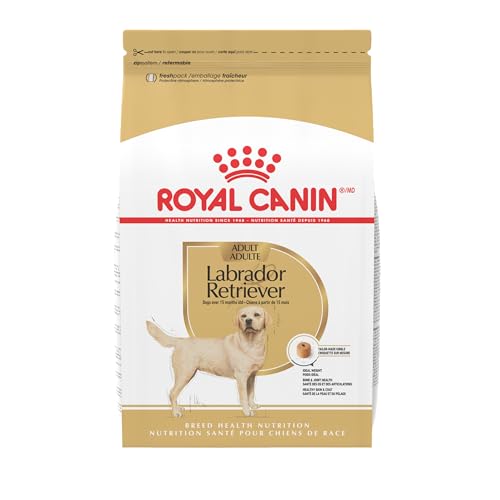
Royal Canin Labrador Retriever Adult Dry Dog Food tops our picks for Labs with skin sensitivities. It combines breed-specific calorie control with hydrolyzed proteins designed to minimize allergic reactions, addressing the two biggest health challenges Labs face: obesity and food-triggered skin inflammation.
Why Labradors Need the Right Food Choice
Labrador Retrievers face specific nutritional challenges that most breed-generic dog foods ignore. Labs have a genetic predisposition toward obesity, with studies suggesting 24 to 56 percent of Labs are overweight or obese. Extra weight accelerates joint degradation, hip dysplasia onset, and metabolic dysfunction. Additionally, Labs frequently develop food allergies and skin sensitivities, often triggered by common protein sources like chicken or wheat gluten.
A typical adult Lab weighs 55 to 80 pounds and requires approximately 1,200 to 1,600 calories daily depending on activity level and metabolism. Their high energy requirement combined with enthusiasm for food creates a perfect storm for overfeeding. Labs with skin allergies face a double burden: their immune system overreacts to specific ingredients, causing inflammation, itching, and secondary bacterial infections, while simultaneously their breed tendency to gain weight compounds skin fold problems and heat retention issues.
Your veterinarian may recommend testing for food allergies before switching diets. Common triggers in Labs include beef, chicken, wheat, corn, soy, and dairy. However, many skin issues respond to dietary improvements even without formal allergy testing.
What to Look For in a Labrador Food
- Calorie density matched to activity level: Look for foods formulated specifically for large breed dogs or Labs themselves. These typically contain 330 to 380 calories per cup, lower than all-purpose formulas.
- Limited or hydrolyzed protein sources: Hydrolyzed proteins break down proteins into smaller components that trigger fewer allergic responses. Novel proteins like duck or venison may help if your Lab reacts to common sources.
- AAFCO “complete and balanced” statement: This mandatory claim means the food meets minimum nutritional standards set by the Association of American Feed Control Officials. Without this statement, the product is not appropriate as a primary diet.
- Joint support ingredients: Glucosamine, chondroitin, and omega-3 fatty acids support joint health. Labs commonly develop arthritis, particularly in hips and elbows.
- Clear ingredient disclosure: Avoid foods listing “meat by-products” or “meal” as primary ingredients. Named meat sources (beef, chicken, fish) appear higher on ingredient lists for higher-quality products.
- No recalls in FDA database: Always check FDA recall history before committing to a new food. Search the product name and brand at fda.gov/animal-veterinary/recalls.
How We Chose These Picks
- Verified AAFCO “complete and balanced” statement on each product label.
- Cross-referenced FDA animal food recall database for any history of contamination or safety issues.
- Confirmed each product targets large breed dogs or Labradors specifically in manufacturer marketing materials.
- Identified hydrolyzed or limited protein formulations designed to reduce allergic reactions.
- Reviewed joint support ingredient profiles (glucosamine, omega-3 content) relevant to Labs’ hip dysplasia risk.
- Examined real customer feedback on Amazon, focusing on reports of skin improvement or allergic reactions.
- Never ranked a product higher just because it pays a commission.
What to Avoid When Choosing Lab Food
- All-purpose “best for all dogs” formulas: Generic dog foods do not account for Lab-specific calorie needs or breed predispositions. Feeding an all-purpose formula to an adult Lab typically results in overfeeding by 200+ calories daily.
- Grain-free foods without veterinary consultation: The FDA has investigated a potential link between grain-free diets and dilated cardiomyopathy (DCM), a serious heart condition. While the link remains under investigation and not proven, many veterinarians recommend consulting your vet before switching to grain-free formulas, particularly if your Lab has a family history of heart disease.
- Foods making absolute health claims: Avoid products claiming to “cure” skin allergies or “prevent” hip dysplasia. Responsible manufacturers use hedged language like “formulated to support” or “may help reduce.”
- Products without ingredient transparency: If a manufacturer lists “meat meal” as the primary ingredient without specifying the meat source, the product likely contains lower-quality protein sources.
- Sudden diet switches without transition: Changing foods rapidly causes digestive upset. Transition over 7 to 10 days by gradually mixing the new food with the old to avoid vomiting or diarrhea that can worsen skin conditions.
Sources and Veterinary Context
Labrador obesity rates and health impacts are documented in veterinary literature and breed club health surveys. Food allergies in Labs are well-documented by veterinary dermatologists; hydrolyzed protein diets are recommended by the American Academy of Veterinary Dermatology as a first-line dietary intervention for canine food allergies. Hip dysplasia prevalence in Labs is tracked by the Orthopedic Foundation for Animals (OFA) and remains one of the breed’s most significant health concerns. Always consult your veterinarian before making major dietary changes, particularly if your Lab shows signs of skin infection, hair loss, or persistent itching.
For additional breed-specific guidance, explore our full dog food buying guides and reviews.


