Quick answer
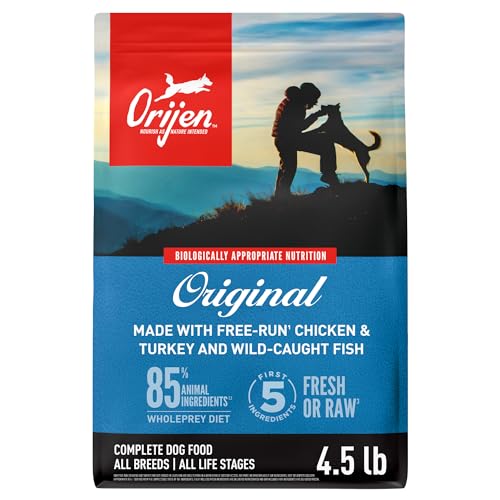
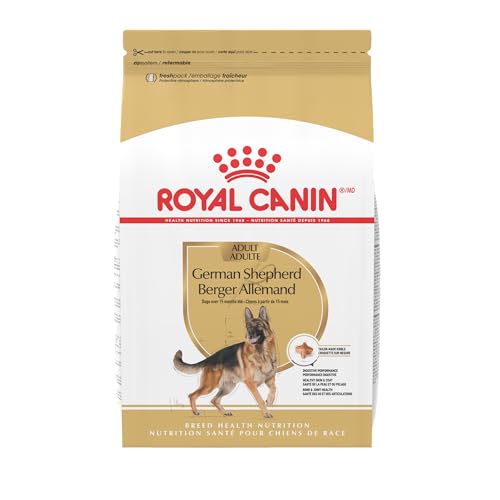
For most adult German Shepherds, Royal Canin German Shepherd Adult is our top overall pick because it is built around the breed’s needs: a tailored protein and fat balance, digestive support and skin and coat nutrients. Highly active or working dogs do well on Purina Pro Plan Sport 30/20, while dogs that need extra joint protection benefit from Hill’s Science Diet Large Breed. If you want a premium high meat option, Orijen Original is excellent, and Diamond Naturals Large Breed is a strong budget choice.
What to consider for a German Shepherd
German Shepherds are large, energetic dogs that are prone to hip and elbow dysplasia, a deep chest that raises bloat risk and a digestive system that can be sensitive. The right food supports steady muscle, controlled large breed growth and a healthy gut. Look for a named animal protein as the first ingredient, moderate fat for energy without excess weight, added glucosamine and chondroitin for joints and omega fatty acids for the breed’s thick double coat.
Find the right food for your dog’s needs
German Shepherds are a large, active breed, so the best food depends on life stage and any health needs. Start with the picks above for a healthy adult, then use these focused guides for a specific situation.
- Puppies: a large-breed puppy formula controls growth to protect the joints. See best food for German Shepherd puppies.
- Seniors: lower calories and joint support suit older dogs. See best senior food for German Shepherds.
- Sensitive stomachs: limited-ingredient, gentle recipes reduce upset. See best food for sensitive stomachs.
- Hip and joint issues: added glucosamine and controlled calories help. See best food for hip dysplasia.
- Skin allergies: novel proteins and no common triggers can calm itching. See best food for skin allergies.
Which food type is best?
All of these can be a good choice for a German Shepherd. The right one depends on your budget, your dog’s preferences and any health needs.
- Dry kibble: the most economical and convenient, and the crunch helps clean teeth. The everyday choice for most owners.
- Wet food: higher moisture and often more palatable, useful for fussy eaters or as a topper, but pricier per calorie.
- Fresh and gently cooked: minimally processed with recognisable ingredients, delivered frozen or chilled. Higher cost.
- Raw and freeze-dried raw: high protein and minimally processed. Handle safely and speak to your vet first, especially for puppies.
- Dehydrated: shelf-stable and rehydrated with water, a middle ground between kibble and fresh.
Recipe and protein choices
German Shepherds do well on a diet built around quality animal protein. A few common questions:
- Grain-free or grain-inclusive? Most Shepherds thrive on quality grain-inclusive food. Choose grain-free only if your vet advises it for a diagnosed grain sensitivity.
- High protein: active and working dogs benefit from moderate-to-high animal protein, paired with joint-friendly calories so they do not gain excess weight.
- Novel proteins: salmon, lamb, turkey and white fish are good options for dogs that react to chicken or beef, and salmon adds skin-friendly omega-3s.
- Limited ingredient: shorter ingredient lists make it easier to avoid a known trigger.
Budget and portion size
The cheapest bag is not always the best value. A quality food that keeps your dog lean, with a healthy coat and firm stools, often means fewer vet visits. Feed to a healthy body condition rather than the bag maximum, and check the daily amount against our German Shepherd feeding chart by age.
How we picked
We compared formulas on protein quality, calorie density, joint and digestive support, ingredient transparency and value. We favored recipes with real meat first, sensible calcium levels for a large breed and a track record with shepherd owners. We avoided foods built on cheap fillers or vague meat by products.