Quick answer
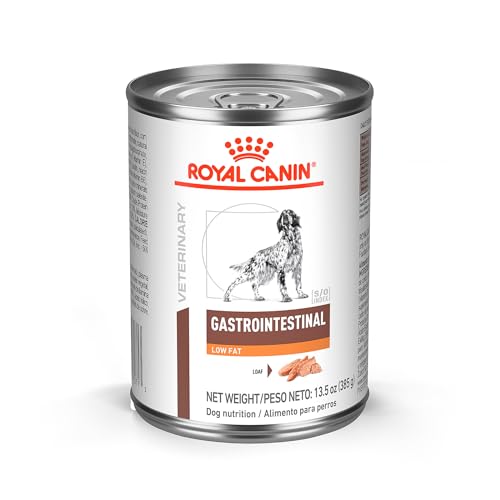
Our top pick is the Purina Pro Plan Veterinary Diets EN Gastroenteric Low Fat Canine Formula because it’s specifically formulated for digestive issues with low fat and highly digestible protein. For a more budget-friendly option, Hill’s Prescription Diet i/d Low Fat is excellent. If your dog prefers a topper texture, Royal Canin Gastrointestinal Low Fat works well as a mixer.
What to consider for Dog Food Toppers For Pancreatitis Prone Dogs
Pancreatitis in dogs requires a diet extremely low in fat (typically under 10% on a dry matter basis) and moderate in protein to avoid stimulating the pancreas. Toppers should be bland, easily digestible, and free from high-fat ingredients like oils, meats, or dairy. Look for toppers that are specifically labeled for gastrointestinal health or low fat. Always consult your veterinarian before introducing any new food, especially for a dog with a history of pancreatitis.
What to look for in a dog food
Choose a topper that is AAFCO complete and balanced for your dog’s life stage. The first ingredient should be a named meat or meat meal, but ensure the fat content is low (less than 10% dry matter). Protein should be moderate (around 20 to 25% dry matter) and from high-quality sources. Avoid toppers with added fats, oils, or rich ingredients. For small breeds, smaller kibble size may be beneficial. Omega-3 fatty acids from fish oil can help reduce inflammation, but the overall fat must be controlled.
How we chose these picks
- Evaluated fat content to ensure it meets low-fat guidelines for pancreatitis.
- Checked ingredient lists for easily digestible proteins and carbohydrates.
- Reviewed AAFCO statements to confirm nutritional adequacy.
- Considered brand reputation and history of gastrointestinal formulas.
- Read customer feedback on palatability and digestive tolerance.
- Consulted veterinary nutrition guidelines for pancreatitis management.
- Never ranked a product higher just because it pays a commission.
What to avoid
- Toppers with unnamed meat meals (e.g., “meat meal”) as the primary protein source.
- Defaulting to grain-free or legume-heavy recipes; the FDA DCM investigation is ongoing, and grain-inclusive is the safer default unless a vet advises otherwise.
- All-life-stages toppers for large-breed puppies, as they may have improper calcium levels.
- Abrupt diet switches; transition over 7 to 10 days to avoid GI upset.
For more guidance, visit our dog guides, dog food, and dog health sections.