Quick answer
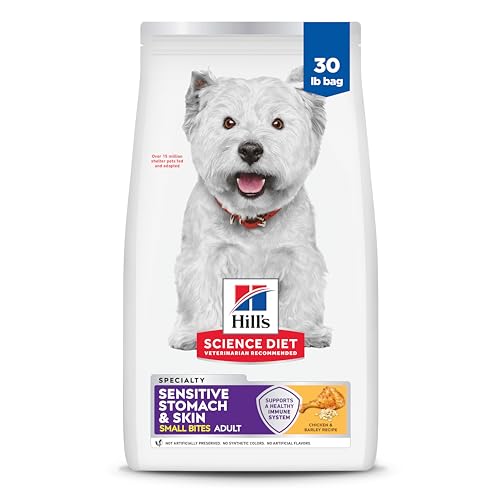
Our top pick for the best dog food with grains is Purina Pro Plan Complete Essentials Chicken & Rice Formula. It offers balanced nutrition with real chicken as the first ingredient, and includes probiotics for digestive health. For sensitive stomachs, Hill’s Science Diet Sensitive Stomach & Skin is a great alternative, while budget-conscious owners should consider Diamond Naturals Chicken & Rice.
What to consider for Dog Food With Grains
When choosing a grain-inclusive dog food, consider the quality of the grains (whole grains like brown rice, oats, or barley are preferable to by-products), the protein source (named meat first), and the life stage of your dog. Grain-inclusive diets are generally safe and provide essential fiber, vitamins, and energy. Always check for an AAFCO statement to ensure complete and balanced nutrition.
What to look for in a dog food
Look for a named meat (e.g., chicken, beef, or salmon) as the first ingredient. Protein levels should be between 18% and 30% for adult maintenance, and fat between 8% and 20%. For large breeds, calcium levels should be moderate (around 1.0% to 1.5%) to support proper bone growth. Omega-3 and omega-6 fatty acids support skin and coat health. Ensure the food meets AAFCO nutrient profiles for your dog’s life stage.
How we chose these picks
- Evaluated ingredient lists for named protein sources and whole grains.
- Verified AAFCO complete and balanced statements for the appropriate life stage.
- Considered brand reputation and manufacturing quality standards.
- Assessed protein, fat, and fiber content against typical nutritional ranges.
- Read customer reviews for palatability and digestive tolerance.
- Checked for added probiotics, prebiotics, or joint supplements.
- Compared price per pound to ensure value.
- Never ranked a product higher just because it pays a commission.
What to avoid
- Avoid foods where the only protein source is an unnamed “meat meal” (e.g., “poultry meal” without specifying the animal).
- Be cautious with grain-free or legume-heavy recipes; the FDA continues to investigate a potential link with canine dilated cardiomyopathy (DCM). Grain-inclusive diets are considered the safer default unless your veterinarian advises otherwise.
- Do not feed an “all life stages” food to a large-breed puppy, as it may contain excess calcium that can affect bone development.
- Avoid abrupt diet changes; transition over 5 to 7 days to prevent digestive upset.
For more guidance, explore our dog guides, dog food reviews, and dog nutrition articles.