Quick answer
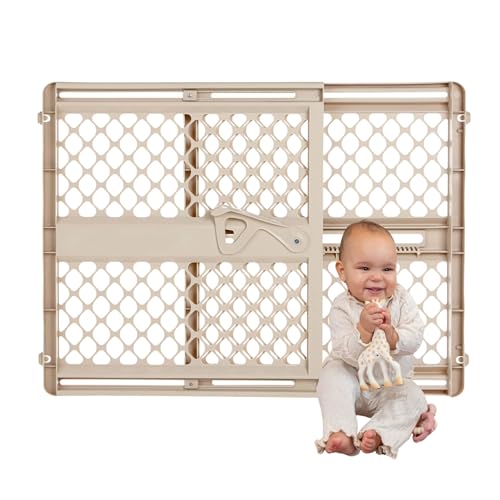
The best dog gate for indoor use is the Richell Wood Freestanding Gate for its sturdy build, easy installation, and walk-through door. If you need a wider opening, the Evenflo Position & Lock Gate is a great alternative. For budget-friendly options, the Regalo Easy Step Gate offers solid performance at a lower price.
What to consider for Dog Gate For Indoor Use
When choosing a dog gate for indoor use, consider the gate’s width, height, and mounting type. Pressure-mounted gates are easy to install but may not be suitable for top-of-stairs use. Hardware-mounted gates offer more security but require drilling. Also, check the door width for easy passage and the bar spacing to prevent small dogs from squeezing through. Material durability and ease of cleaning are important for high-traffic areas.
What to look for in a cleaning or lawn product (urine, stain, odour or lawn-repair)
For cleaning up after dogs, look for products with genuine enzymatic action that breaks down urine and odour at the molecular level. Ensure the product is pet-safe once dry and proven effective on stains and smells. For outdoor use, choose a lawn-safe formulation that won’t harm grass or plants. Avoid products with harsh chemicals that could irritate your dog’s paws or skin.
How we chose these picks
- Evaluated safety features such as secure locking mechanisms and sturdy construction.
- Considered ease of installation and whether the gate can be mounted without tools.
- Checked customer reviews for durability and long-term performance.
- Compared price points to ensure value for money.
- Looked for gates that accommodate various door widths and heights.
- Assessed the gate’s ability to be used for both pets and children.
- Never ranked a product higher just because it pays a commission.
What to avoid
- Avoid ammonia-based cleaners; the smell can attract dogs to re-mark the area.
- Do not use products not labelled pet-safe, as they may contain harmful chemicals.
- Avoid harsh lawn chemicals where dogs play before they dry, as they can cause paw irritation or poisoning.
For more guidance, check our dog guides, dog care products, and dog health sections.