Quick answer
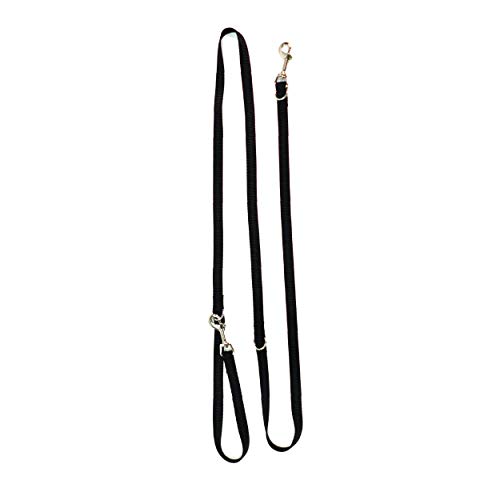
The Ruffwear Knot-a-Leash is our top pick for dogs that chew, thanks to its braided construction that resists gnawing and a strong carabiner clip. For budget-conscious owners, the Kurgo K9 Soft Shell Leash offers excellent durability at a lower price. If you need a no-pull option, the PetSafe 3-in-1 Leash combines training versatility with chew-resistant materials.
What to consider for Dog Leash For Dogs That Chew
Dogs that chew through leashes require materials that can withstand sharp teeth and persistent gnawing. Look for leashes made from braided nylon, climbing-grade rope, or metal chains. The clip should be heavy-duty and rust-resistant, as weak clips can break under pressure. A padded handle is a bonus for comfort, but avoid leashes with fabric covers that can be chewed off. Also consider leash length: shorter leashes (4 to 6 feet) give you more control and are harder for your dog to get a good grip on. Finally, check for reflective stitching or trim for visibility during low-light walks.
What to look for in a gear item (harness, collar, leash or muzzle)
When choosing a leash for a chewer, focus on four key areas. First, correct fit and sizing: a leash that is too thin may be easier to chew through, while a thick rope can be uncomfortable if not properly designed. Second, durable hardware and materials: look for solid metal clips (not plastic) and materials like nylon webbing or climbing rope. Third, safety features: a leash should have a secure attachment that won’t come loose, and reflective elements for visibility. Fourth, comfort and padding: a padded handle reduces hand fatigue, but ensure the padding is securely stitched so it can’t be chewed off. For no-pull designs, choose a leash with a traffic handle or a design that discourages pulling without causing discomfort.
How we chose these picks
- Evaluated leash materials for chew resistance, including braided nylon, climbing rope, and metal chain options.
- Assessed hardware quality: clips, D-rings, and swivels must be sturdy and corrosion-resistant.
- Considered leash length and width to suit different dog sizes and chewing habits.
- Reviewed safety features such as reflective stitching and secure attachment points.
- Checked customer feedback for real-world durability with aggressive chewers.
- Compared prices to ensure value across budget and premium options.
- Consulted professional dog trainer recommendations for reliable brands.
- Never ranked a product higher just because it pays a commission.
What to avoid
- Ill-fitting sizes: a leash that is too thin or narrow can be easily chewed through; choose a width appropriate for your dog’s strength.
- Flimsy clips that fail on strong dogs: avoid plastic clips or thin metal that can bend or break.
- Aversive tools used without professional guidance: choke chains or prong collars can cause injury; consult a trainer before using.
- Retractable leashes near traffic: the thin cord can snap or get tangled, and the handle can be chewed; use a standard leash for safety.
For more tips, check out our dog guides, dog care products, and dog health resources.