Quick answer
The best dog leash for training is the Ruffwear Knot-a-Leash for its durable construction, reflective trim, and comfortable grip. It provides excellent control for training sessions. For budget-conscious owners, the PetSafe Nylon Leash offers reliable performance at a lower price. If you need a hands-free option for active training, the Kurgo Quantum Leash is a versatile choice.
What to consider for Dog Leash For Training
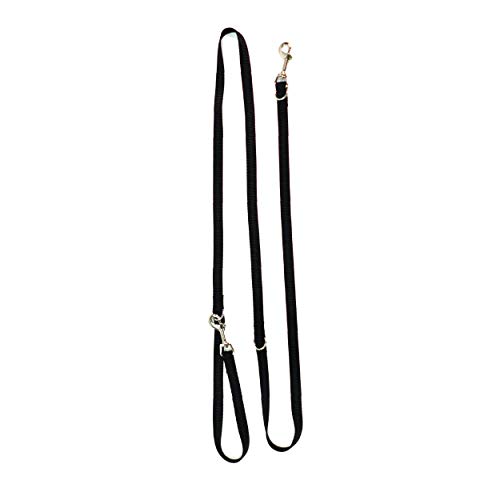
When choosing a training leash, consider the length: a 6-foot leash is standard for most training exercises, while a 4-foot leash offers more control for close work. Material matters: nylon is durable and easy to clean, leather is comfortable but requires maintenance, and biothane is waterproof and odor-resistant. The handle should be padded or ergonomic to prevent hand fatigue during long sessions. A traffic handle near the clip allows quick restraint. Reflective stitching enhances visibility for early morning or evening walks. Ensure the clip is strong and rust-resistant; a swivel clip prevents tangling.
What to look for in a gear item (harness, collar, leash or muzzle)
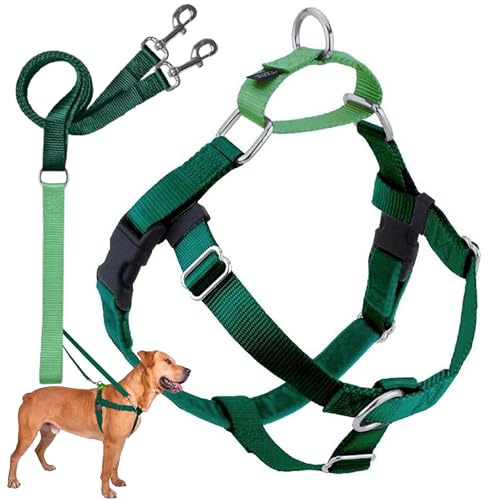
Correct fit and sizing: Measure your dog’s neck or chest according to the manufacturer’s guide. A leash should be comfortable to hold, not too thick or thin. Durable hardware and materials: Look for solid metal clips (brass or zinc alloy) and strong stitching. Nylon webbing should be at least 1 inch wide for large dogs. Safety features: Reflective stitching or strips for low-light visibility. A breakaway or quick-release feature is not typical for leashes but ensure the clip is secure. Comfort and padding: A padded handle reduces strain on your hands. Some leashes have a neoprene or foam core. No-pull design: Some leashes have a second handle or a martingale loop to discourage pulling without choking.
How we chose these picks
- Evaluated leash materials for durability and weather resistance.
- Assessed clip strength and rust resistance based on product specifications.
- Considered handle comfort and ergonomics for extended training sessions.
- Checked for reflective elements and safety features.
- Reviewed customer feedback for real-world performance and longevity.
- Compared price points to ensure value for money.
- Focused on leashes specifically designed for training (e.g., traffic handles, multiple attachment points).
- Never ranked a product higher just because it pays a commission.
What to avoid
- Ill-fitting sizes: A leash that is too long can get tangled; too short restricts movement. Choose the appropriate length for your training goals.
- Flimsy clips that fail on strong dogs: Avoid plastic or thin metal clips. Look for heavy-duty carabiners or locking clips.
- Aversive tools used without professional guidance: Prong collars, choke chains, or shock collars can cause harm if misused. Always consult a certified trainer.
- Retractable leashes near traffic: They reduce control and can cause accidents. Use a fixed-length leash for training and walks.
For more dog care tips, see our dog guides, dog care products, and dog health sections.