Quick answer
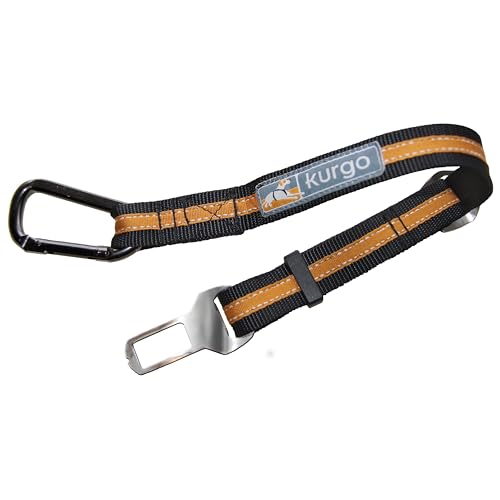
Our top pick is the Kurgo Surf N’ Turf Dog Seat Belt Tether. It combines a rust-resistant aluminum clip with a durable nylon strap that withstands moisture and salt. For large dogs that pull, the Sleepypod Clickit Utility Harness offers superior crash protection. Budget-conscious owners will appreciate the PetSafe Happy Ride Dog Seat Belt.
What to consider for Dog Seat Belt For Swimming
If your dog swims frequently, a standard seat belt may rust or fray from wet fur and salt. Look for corrosion-proof hardware like stainless steel or anodized aluminum. The tether should be short enough to prevent roaming but long enough for comfort. Also consider a harness-style restraint that distributes force evenly and dries quickly. Avoid seat belts that attach to a collar, as they can injure the neck during sudden stops.
What to look for in a gear item (harness, collar, leash or muzzle)
Correct fit and sizing: Measure your dog’s chest girth and neck. A snug but not tight fit prevents escape. Durable hardware and materials: Look for zinc-alloy or stainless steel clips that resist corrosion. Safety features: Choose escape-resistant designs with a second attachment point. No-choke designs are essential. Comfort and padding: Neoprene or mesh padding wicks moisture and prevents chafing. No-pull design: A front-clip harness can discourage pulling without causing discomfort.
How we chose these picks
- Evaluated crash-test data from the Center for Pet Safety for harness-style restraints.
- Checked customer feedback for rust resistance and durability after water exposure.
- Prioritized products with quick-dry materials and anti-corrosion hardware.
- Considered ease of use: one-handed buckle, adjustable strap, and compatibility with seat belt buckles.
- Included options for various dog sizes, from small to extra large.
- Reviewed manufacturer specifications for weight limits and safety certifications.
- Never ranked a product higher just because it pays a commission.
What to avoid
- Ill-fitting sizes that allow your dog to slip out or cause chafing.
- Flimsy clips that fail on strong dogs or corrode after swimming.
- Aversive tools like prong collars used without professional guidance.
- Retractable leashes near traffic; they can cause injury and don’t provide secure restraint.
For more dog care tips, visit our dog guides and check out dog health and dog care products.


