Quick answer
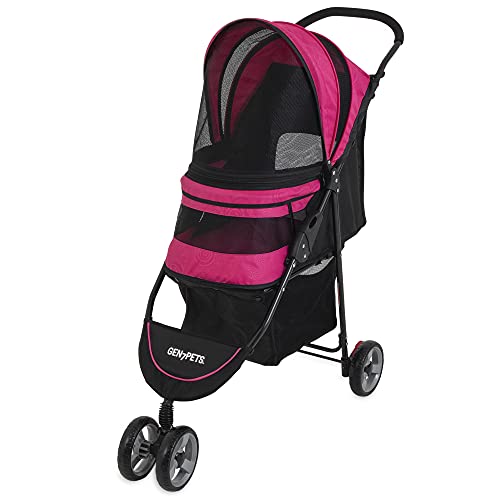
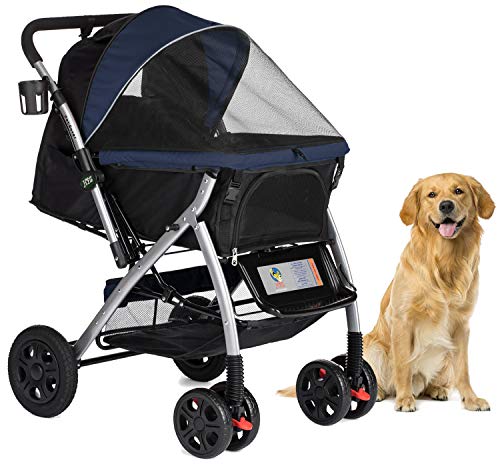
For dogs with trachea problems, the PetSafe Happy Ride Deluxe Dog Stroller is our top pick. Its padded interior, adjustable harness tether, and smooth-rolling wheels reduce jostling and neck strain. If you need a lightweight option for small breeds, the Gen7Pets Promenade fits well. For larger dogs, the Petique All Terrain offers more space and rugged wheels.
What to consider for Dog Stroller For Dogs With Trachea Problems
Dogs with tracheal collapse or sensitive airways need a stroller that minimizes vibration and sudden movements. Look for pneumatic or foam-filled tires that absorb shock, a padded interior to cushion the ride, and a harness attachment point that clips to the dog’s chest or back rather than the neck. The stroller should have a low entry height so the dog can step in without jumping, and a secure tether to prevent the dog from leaping out. Ventilation is also important to avoid overheating, especially for brachycephalic breeds.
What to look for in a dog stroller for dogs with trachea problems
When choosing a stroller, prioritize a smooth suspension system, such as air-filled tires or spring-loaded wheels, to reduce jarring. The interior should be well-padded with a non-slip surface. A built-in tether that attaches to a harness (not a collar) is essential to prevent neck pressure. Ensure the stroller has a safety brake and reflective elements for visibility. For small dogs, a lightweight foldable design is convenient, while larger dogs need a sturdy frame and wider cabin. Avoid strollers with flimsy fabric that can sag and cause discomfort.
How we chose these picks
- Evaluated suspension and wheel types for ride smoothness.
- Checked interior padding and dimensions for comfort.
- Verified that the tether system attaches to a harness, not a collar.
- Assessed ease of folding and storage.
- Read verified customer reviews for real-world durability.
- Considered weight capacity and suitability for trachea-sensitive dogs.
- Compared price relative to features and build quality.
- Never ranked a product higher just because it pays a commission.
What to avoid
- Avoid strollers with small, hard plastic wheels that transmit every bump.
- Do not use a stroller that lacks a harness tether, as the dog could jump out.
- Skip models with thin, unpadded floors that cause discomfort.
- Avoid strollers with a high entry that forces the dog to jump.
- Never attach the tether to a collar, as this can worsen trachea issues.
For more guidance, see our dog guides, dog health, and dog care products sections.