Quick answer
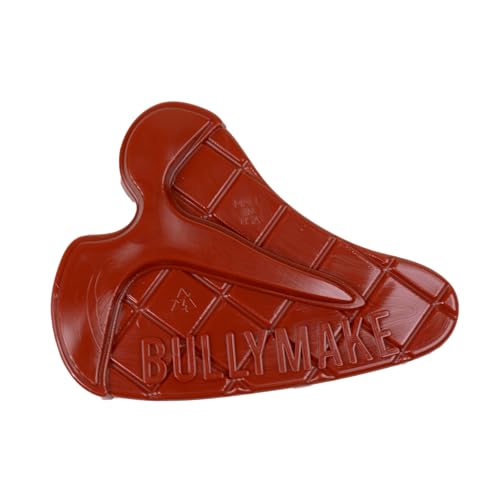
The best dog subscription box for crate training is the BarkBox Super Chewer, because it consistently delivers durable toys and treats designed for strong chewers. For dogs that need more mental stimulation, the Bullymake Box offers excellent puzzle toys. If budget is a concern, the PupBox provides a great value with training guides and age-appropriate items.
What to consider for Dog Subscription Box For Crate Training
Crate training relies on positive association, so the items in the box should be engaging enough to keep your dog occupied during crate time. Look for boxes that offer a variety of toys, chews, and treats that match your dog’s size, age, and chewing strength. Consider whether the box includes training resources or guides, as these can be helpful for first-time owners. Also, check the subscription flexibility and cancellation policy.
What to look for in a toy or chew (chew toy, puzzle, lick mat or dental chew)
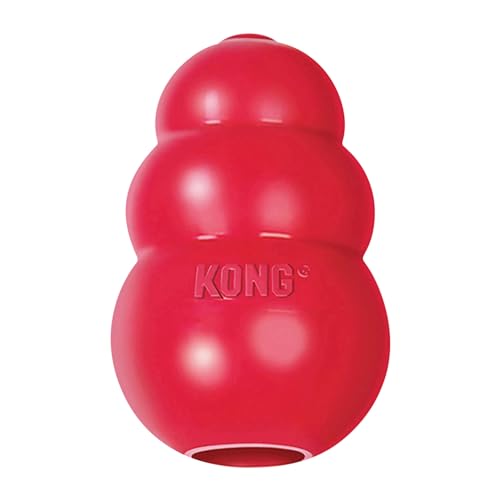
When selecting toys or chews for crate training, safety and engagement are key. Choose a size appropriate to your dog to avoid choking hazards. Durability should match your dog’s chew strength; aggressive chewers need tough rubber or nylon toys. Non-toxic materials are essential, so look for BPA-free, phthalate-free options. For dental chews, a VOHC seal indicates proven effectiveness. Genuine enrichment value comes from toys that can be stuffed with treats or have moving parts to keep your dog mentally stimulated.
How we chose these picks
- Evaluated subscription boxes based on toy variety and durability.
- Considered the quality and safety of included chews and treats.
- Looked for boxes that offer customization for size and chew strength.
- Assessed the value for money, including shipping costs and frequency.
- Checked customer reviews for consistency and satisfaction.
- Prioritized boxes that include training tips or resources.
- Never ranked a product higher just because it pays a commission.
What to avoid
- Toys small enough to swallow or choke on; always check size guidelines.
- Hard chews like antlers or bones that can crack teeth; opt for softer nylon or rubber.
- Falling-apart toys that shed pieces; avoid plush toys with loose parts for heavy chewers.
- Leaving a heavy chewer unsupervised with any toy; always monitor first use.
For more guidance, check out our dog guides, dog care products, and dog health resources.