Quick answer
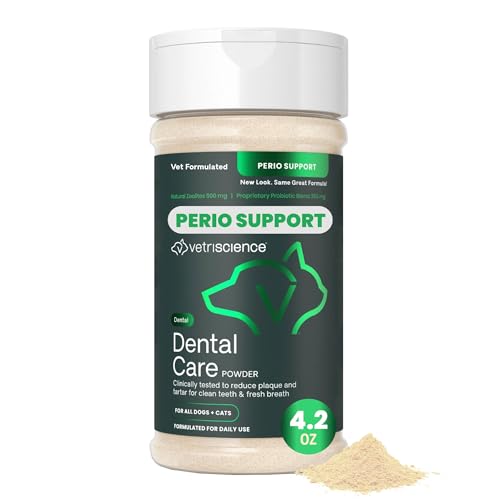
Our top pick is Virbac C.E.T. Enzymatic Toothpaste, a VOHC-accepted enzymatic formula that effectively reduces plaque and freshens breath. For dogs with sensitive gums, VetriScience Perio Support offers a gentle enzymatic gel. Budget-conscious owners should consider PetLab Co. Fresh Breath toothpaste, which combines natural ingredients with a mild flavor most dogs accept.
What to consider for Dog Toothpaste For Bad Breath
Bad breath in dogs often signals dental disease, so choosing a toothpaste that controls plaque and tartar is key. Enzymatic toothpastes (like those containing glucose oxidase) help break down plaque without brushing alone. Look for the VOHC seal, which indicates the product has been clinically proven to reduce plaque or tartar. Also consider your dog’s size and age: small breeds may need smaller brush heads or softer chews. Always avoid human toothpaste containing xylitol or fluoride, which are toxic to dogs.
What to look for in a health product (dental, probiotic, joint, allergy or calming supplement)
For dental products, look for a VOHC seal. For supplements, an NASC quality seal ensures manufacturing standards. Evidence-based ingredients like glucosamine and chondroitin (for joints) should be at meaningful amounts. Probiotics should state CFU count. Ensure correct dosing by weight and clear manufacturing standards. Avoid vague proprietary blends.
How we chose these picks
- Evaluated each product’s ingredients for safety and efficacy based on veterinary dental guidelines.
- Prioritized products with VOHC acceptance or enzymatic action proven to reduce plaque.
- Considered palatability and ease of use for dogs and owners.
- Checked for harmful additives like xylitol, artificial colors, or harsh abrasives.
- Reviewed customer feedback for real-world effectiveness on bad breath.
- Selected a range of price points and formats (paste, gel, chews).
- Never ranked a product higher just because it pays a commission.
What to avoid
- Products claiming to cure or prevent dental disease without scientific support.
- Human toothpastes containing xylitol, fluoride, or foaming agents.
- Vague proprietary blends with no individual ingredient amounts.
- Exceeding the labelled dose, which can cause stomach upset.
For more guidance, visit our dog guides and dog health or dog nutrition sections.