Quick answer
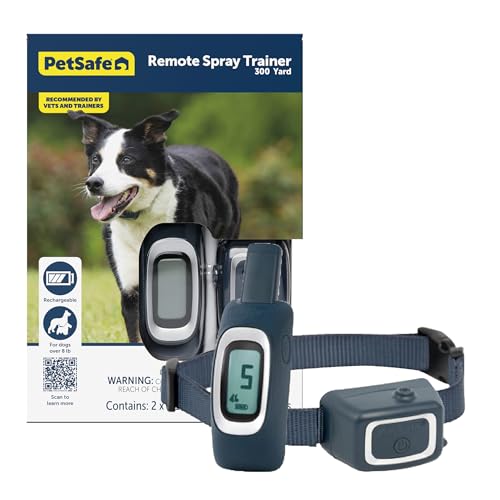
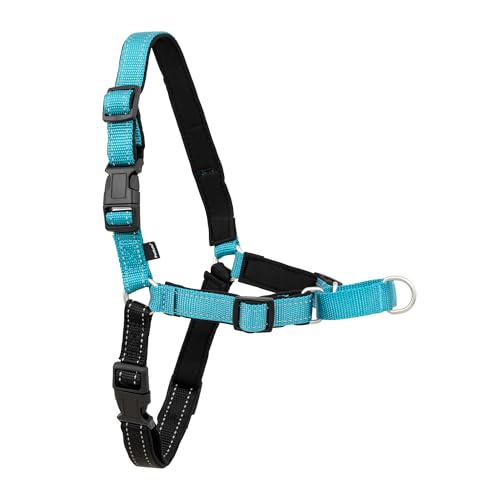
Our top pick for first-time owners is the PetSafe Easy Walk Harness. It gently discourages pulling without causing discomfort, making training positive and stress-free. If you prefer a collar format, the PetSafe Martingale Collar offers gentle correction for dogs that slip out of standard collars. For those needing remote training, the PetSafe Remote Spray Trainer provides a safe, humane alternative to shock collars.
What to consider for Dog Training Collar For First Time Owners
First-time owners should prioritize humane, easy-to-use training collars that complement positive reinforcement. Consider your dog’s size, temperament, and specific training needs. A martingale collar is ideal for dogs with narrow heads who can slip out of flat collars. Head halters offer gentle steering but require acclimation. Remote spray collars can interrupt unwanted behaviors without pain. Always pair any collar with reward-based training for best results.
What to look for in a toy or chew (chew toy, puzzle, lick mat or dental chew)
When selecting a toy or chew for your dog, consider size to prevent choking, durability matching your dog’s chewing strength, non-toxic materials, a VOHC seal for dental chews, and genuine enrichment value. Toys should be large enough that they cannot be swallowed, and chews should be tough enough to withstand your dog’s bite without breaking into dangerous pieces. Always supervise your dog with new toys and remove any that show signs of wear.
How we chose these picks
- Evaluated safety features and humane design
- Considered ease of use for first-time owners
- Reviewed product specifications and materials
- Checked for adjustable fit and comfort
- Assessed effectiveness for common training issues
- Read customer feedback for real-world insights
- Consulted professional dog trainer recommendations
- Never ranked a product higher just because it pays a commission
What to avoid
- Avoid choke chains and prong collars that can cause pain or injury
- Do not use collars that are too tight or too loose; ensure proper fit
- Avoid leaving any collar on an unsupervised dog, especially during play
- Never use a training collar as a substitute for positive reinforcement training
For more guidance, see our dog guides, dog care products, and dog health sections.