Quick answer
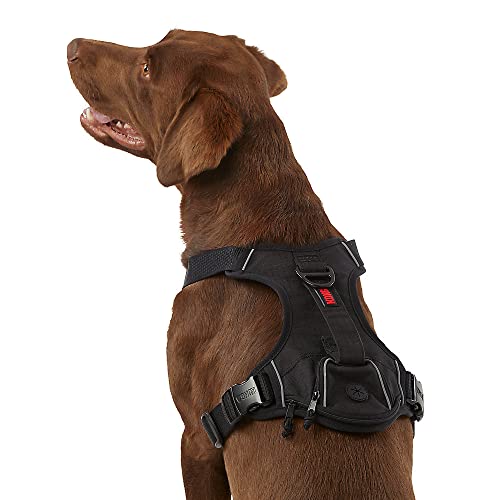
The best dog training collar for Golden Retrievers with joint issues is the PetSafe Gentle Leader Headcollar. It provides gentle control without pulling on the neck or spine, ideal for dogs with arthritis. For dogs that need a harness, the Ruffwear Front Range Harness is a close runner-up with padded chest support. The PetSafe Easy Walk Harness is a budget-friendly alternative that discourages pulling without joint strain.
What to consider for Dog Training Collar For Golden Retrievers With Joint Issues
Golden Retrievers are prone to hip dysplasia and arthritis, so a training collar must avoid putting pressure on the neck, spine, or joints. Opt for no-pull harnesses or head collars that distribute force evenly. Look for padded straps, wide chest plates, and adjustable fits to prevent chafing. Avoid choke chains, prong collars, or any device that jerks the neck. A front-clip harness is often best as it redirects the dog without twisting the spine.
What to look for in a toy or chew (chew toy, puzzle, lick mat or dental chew)
When selecting a toy or chew for a Golden Retriever with joint issues, consider size to prevent choking, durability to match their strong jaws, non-toxic materials, and enrichment value. For dental chews, look for the VOHC seal. Puzzle toys and lick mats can provide mental stimulation without physical strain. Avoid hard chews that could crack teeth and toys that break into small pieces.
How we chose these picks
- Evaluated collars and harnesses designed for dogs with joint issues or mobility concerns.
- Prioritized products with padded, ergonomic designs that minimize pressure on the neck and spine.
- Reviewed customer feedback for comfort and effectiveness in training without causing pain.
- Considered adjustability and fit for Golden Retrievers, which have deep chests and thick necks.
- Checked for safety features such as reflective trim, quick-release buckles, and sturdy hardware.
- Consulted veterinarian guidelines on humane training tools for dogs with arthritis.
- Never ranked a product higher just because it pays a commission.
What to avoid
- Avoid choke chains, prong collars, and shock collars that can aggravate joint pain.
- Do not use collars that pull on the neck; they can worsen spinal issues.
- Avoid harnesses that restrict shoulder movement or rub under the armpits.
- Never leave a dog unsupervised with a new collar or harness until properly fitted.
For more guidance, explore our dog guides, dog health, and dog care products.