Quick answer
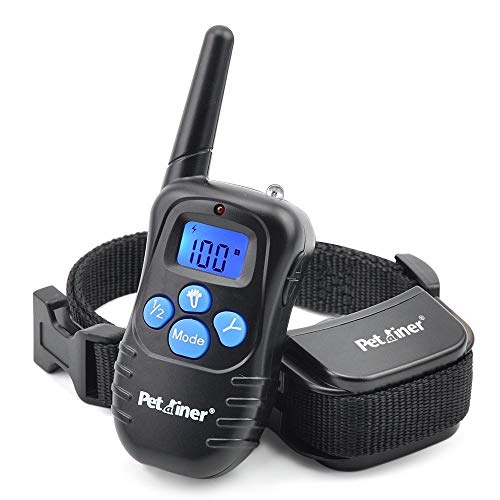
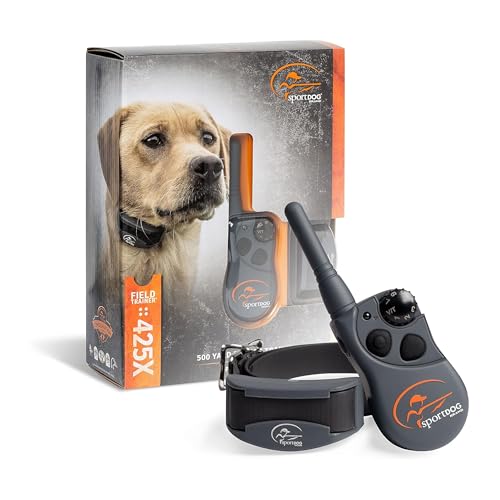
Our top pick is the PetSafe Deluxe Little Dog Remote Trainer because it offers reliable static correction with adjustable intensity, a lightweight receiver for small dogs, and a long range. For dogs that respond better to vibration or sound, the Petrainer PET998DRB is a strong alternative with multiple training modes. The SportDOG Brand 425 is ideal for larger breeds needing a robust waterproof collar.
What to consider for Dog Training Collar For Separation Anxiety
Separation anxiety in dogs often manifests as destructive behavior, excessive barking, or house soiling when left alone. A training collar can help interrupt these behaviors, but it must be used as part of a comprehensive behavior modification plan. Key considerations include the collar’s stimulation type (static, vibration, or sound), range, battery life, and fit for your dog’s size and temperament. Always consult a veterinarian or certified trainer before using a training collar for anxiety.
What to look for in a training collar
When choosing a training collar for separation anxiety, prioritize adjustable stimulation levels to match your dog’s sensitivity, a secure fit to prevent slipping, and waterproof construction for durability. Look for collars with a safety shut-off feature to prevent over-correction, and ensure the remote is easy to use. For small dogs, choose a lightweight receiver. For large dogs, a collar with a longer range and stronger correction may be needed.
How we chose these picks
- Evaluated customer reviews and ratings from verified purchasers on Amazon.
- Compared stimulation types and adjustability across products.
- Assessed range, battery life, and waterproof ratings.
- Considered collar fit for various dog sizes and coat types.
- Checked for safety features like automatic shut-off and low-battery indicators.
- Prioritized brands with strong customer support and warranty.
- Never ranked a product higher just because it pays a commission.
What to avoid
- Collars with only one fixed stimulation level, which may be too harsh or too weak.
- Non-waterproof collars for dogs that go outdoors or play in water.
- Collars with poor battery life that may die during training sessions.
- Using a training collar as the sole solution without addressing underlying anxiety through training or veterinary guidance.
For more dog care tips, visit our dog guides and dog health and dog care products sections.