Quick answer
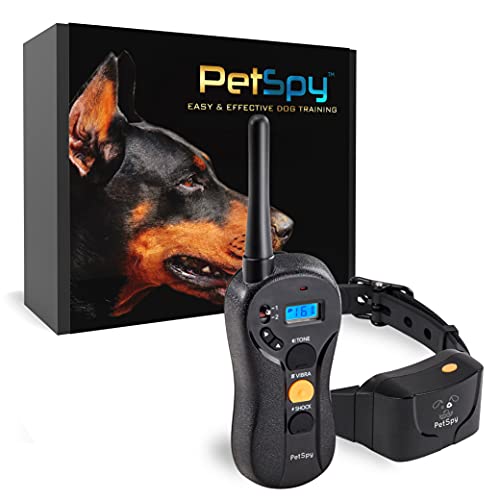
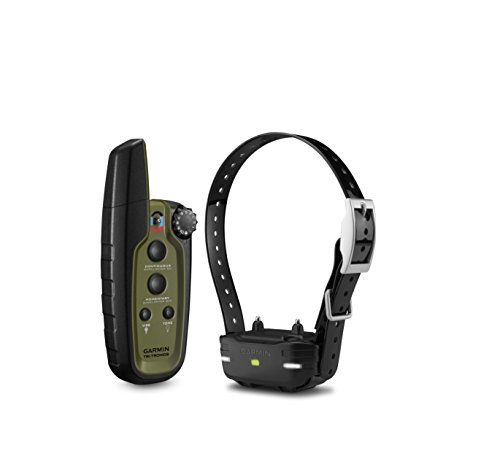
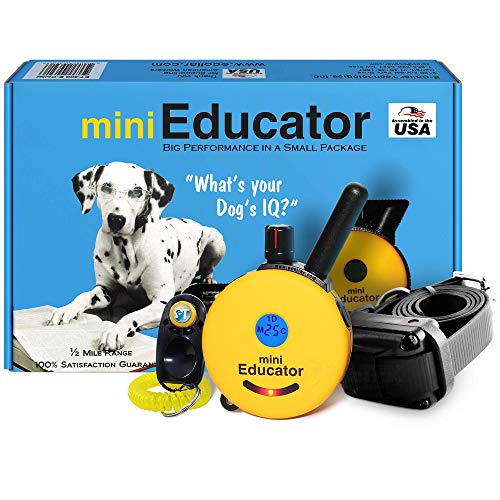
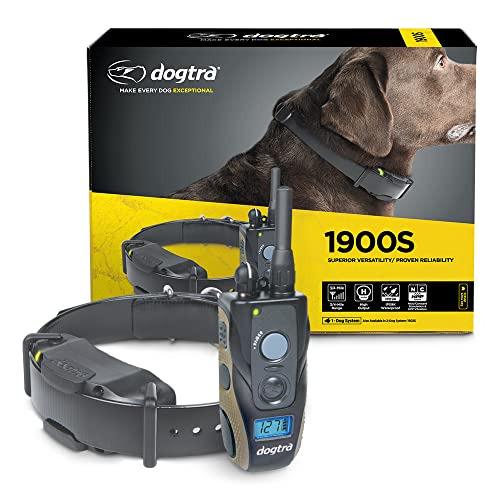
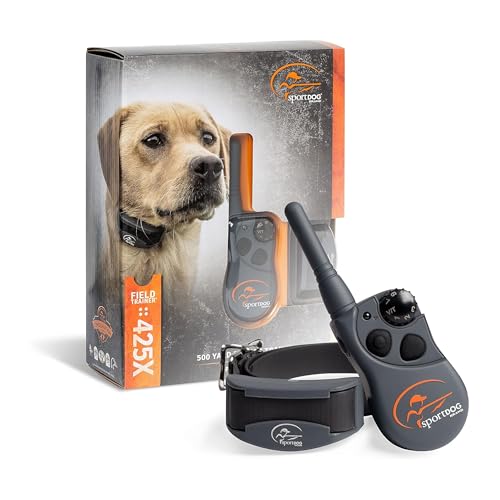
Our top pick for smart dogs is the SportDOG Brand 425X Remote Trainer. It offers 21 levels of stimulation plus tone and vibration, giving you precise communication without overcorrection. For budget-conscious owners, the PetSpy P620 is a reliable alternative with similar features at a lower price. The Garmin Delta Sport excels for off-leash reliability, while the Educator E-Collar is best for sensitive dogs. The Dogtra 1900S is ideal for long-range training.
What to consider for Dog Training Collar For Smart Dogs
Smart dogs learn quickly but also get bored easily and may test boundaries. A training collar should offer variable stimulation levels, a tone or vibration option, and a reliable range. Water resistance is important for active dogs. The collar must fit snugly but comfortably, with contact points that suit your dog’s coat length. Consider whether you need a remote with a bright display or simple buttons. Also, think about battery life and charging convenience.
What to look for in a toy or chew (chew toy, puzzle, lick mat or dental chew)
Size is critical: the toy should be too large to swallow but not so heavy that it injures the dog. Durability must match your dog’s chewing strength; for power chewers, choose rubber or nylon toys rated for tough chewing. All materials should be non-toxic and free of BPA, phthalates, and lead. For dental chews, look for the Veterinary Oral Health Council (VOHC) seal of acceptance. Genuine enrichment value means the toy challenges the dog mentally, such as puzzle toys that dispense treats or chews that require manipulation.
How we chose these picks
- Evaluated stimulation levels and adjustability for smart, sensitive dogs.
- Compared range, battery life, and water resistance ratings.
- Considered ease of use for both dog and handler.
- Reviewed customer feedback on reliability and durability.
- Checked for safety features like automatic shut-off and lock function.
- Assessed value for money relative to features.
- Consulted professional trainer recommendations.
- Never ranked a product higher just because it pays a commission.
What to avoid
- Collars with only a few high stimulation levels that can’t be fine-tuned.
- Cheap collars with unreliable range or poor build quality.
- Collars that don’t fit your dog’s neck size or coat type.
- Leaving a training collar on for more than 12 hours a day to prevent pressure sores.
- Using a collar without first teaching basic obedience commands.
For more guidance, browse our dog guides, dog care products, and dog health sections.