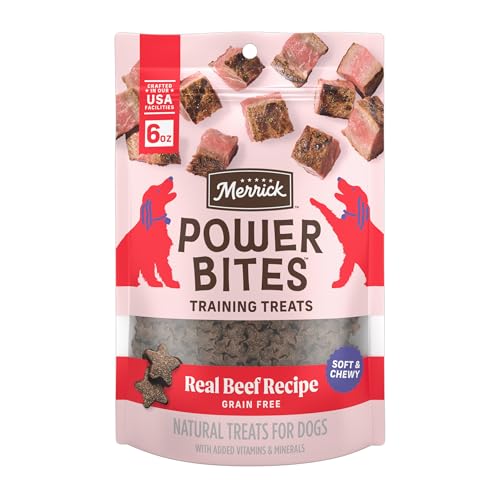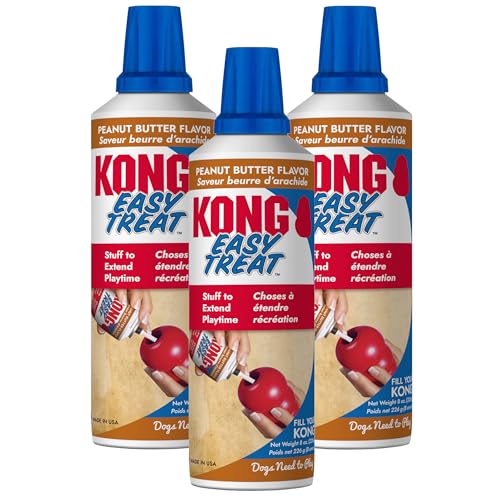
Quick answer
For most small dogs, the best training treat is the KONG Easy Treat Peanut Butter flavor because it’s soft, spreadable, and can be used in KONG toys for extended engagement. If you prefer a crunchy option, the Blue Buffalo Blue Bits are a close runner-up. For dogs with sensitive stomachs, the Zuke’s Mini Naturals are a great alternative.
What to consider for Dog Training Treats For Small Dogs
Training treats for small dogs must be tiny to avoid overfeeding, as small breeds have low calorie needs. Look for treats that are soft and easy to chew quickly, so training sessions stay fluid. Ingredients matter: avoid artificial preservatives and fillers. Also consider the treat’s aroma; strong-smelling treats can be more enticing for distracted pups. Finally, ensure the treat size is appropriate for your dog’s mouth to prevent choking.
What to look for in a toy or chew (chew toy, puzzle, lick mat or dental chew)
When selecting a toy or chew for small dogs, prioritize size appropriate to the dog to avoid choking hazards. Durability should match your dog’s chew strength; soft rubber or fabric toys are better for light chewers. Non-toxic materials are a must, especially for toys that are chewed. For dental chews, look for the VOHC seal to ensure effectiveness. Genuine enrichment value comes from toys that challenge your dog mentally, like puzzle feeders or lick mats.
How we chose these picks
- Evaluated ingredient quality and nutritional profile based on publicly available information.
- Considered treat size and calorie content to suit small breed training needs.
- Reviewed customer feedback on palatability and effectiveness for training.
- Checked for safety recalls and manufacturer transparency.
- Compared price per treat to ensure value.
- Prioritized treats with limited ingredients for sensitive stomachs.
- Never ranked a product higher just because it pays a commission.
What to avoid
- Toys small enough to swallow or choke on; always size up for safety.
- Hard chews like antlers or bones that can crack small dogs’ teeth.
- Toys that fall apart easily, shedding pieces that could be ingested.
- Leaving a heavy chewer unsupervised with any toy.
For more guidance, see our dog guides, dog food, and dog health sections.