Quick answer
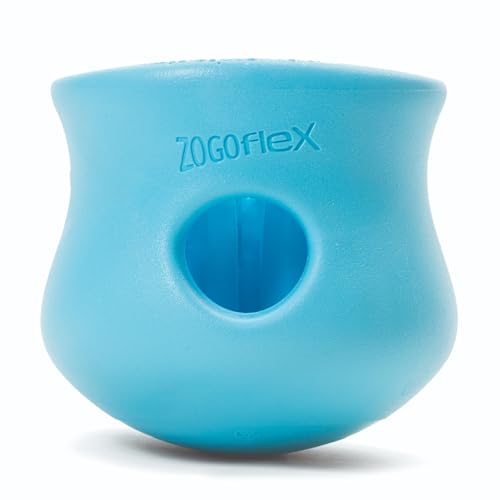
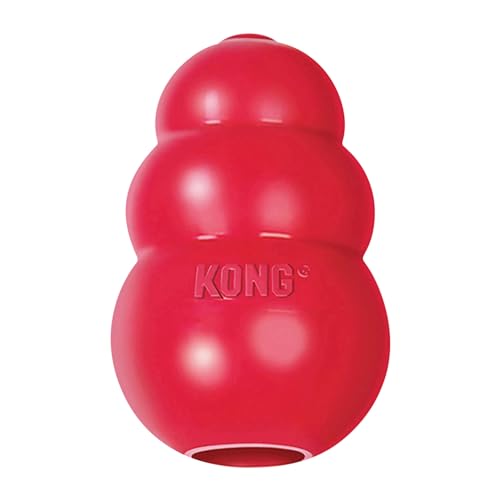
Our top pick is the KONG Classic Dog Toy, which is a rubber treat dispenser that is gentle on sensitive paws, easy to fill, and bounces unpredictably for added fun. For dogs that need a slower challenge, the Outward Hound Nina Ottosson Puzzle Toy offers a softer plastic design. The West Paw Toppl is ideal for heavy chewers with sensitive mouths.
What to consider for Dog Treat Dispenser For Dogs With Sensitive Paws
Dogs with sensitive paws may have allergies, injuries, or simply tender pads. The dispenser should have a smooth, non-abrasive surface and be easy to push or roll without requiring hard pressure. Avoid dispensers with sharp edges or rough textures. Soft rubber or silicone materials are best, and a non-slip base helps prevent sliding on hard floors. Size matters: the dispenser should be large enough to prevent swallowing but light enough to move easily.
What to look for in a toy or chew (chew toy, puzzle, lick mat or dental chew)
When choosing a treat dispenser for a dog with sensitive paws, consider size: it should be too large to swallow but small enough to manipulate. Durability must match your dog’s chew strength; soft rubber works for gentle chewers, while tougher rubber suits heavy chewers. Non-toxic materials are essential, especially for dogs that mouth the toy. For dental chews, look for the VOHC seal. Genuine enrichment value comes from dispensers that require problem-solving, like rolling or nudging, to release treats.
How we chose these picks
- Evaluated surface smoothness and texture for paw sensitivity.
- Checked material safety (non-toxic, BPA-free).
- Assessed durability for different chew strengths.
- Considered ease of filling and cleaning.
- Reviewed size options to suit various dog breeds.
- Looked for non-slip features or designs that stay put.
- Compared price and value across brands.
- Never ranked a product higher just because it pays a commission.
What to avoid
- Toys small enough to swallow or choke on.
- Hard chews that can crack teeth, especially for aggressive chewers.
- Dispensers that shed pieces or have parts that break off.
- Leaving a heavy chewer unsupervised with any toy.
For more guidance, check our dog guides, dog care products, and dog health sections.